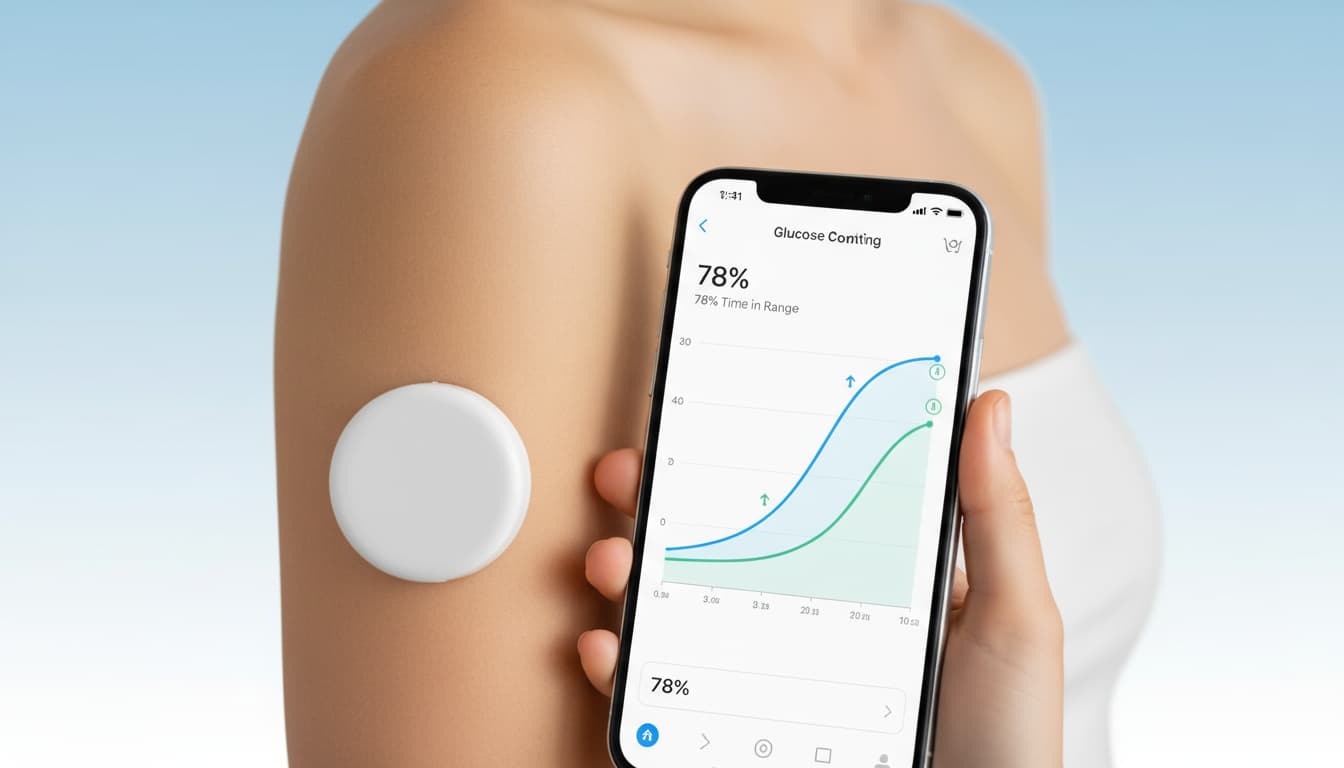

Wearable glucose sensors are transforming how people with diabetes—and even health-conscious individuals without a diagnosis—monitor blood sugar. By enabling painless, continuous, and real-time tracking of glucose levels, these devices reduce the burden of finger-prick testing and empower proactive health management. In this in-depth guide, you’ll learn how wearable glucose sensors work, their advantages and limitations, who should consider them, and how to choose and use one effectively. The goal is to help you make an informed, confident decision while staying aligned with organic, user-first SEO best practices.
What Are Wearable Glucose Sensors?
Wearable glucose sensors, often referred to as continuous glucose monitoring (CGM) systems or flash glucose monitoring devices, are small sensors that adhere to the skin—typically on the upper arm or abdomen—and measure interstitial glucose levels around the clock. Instead of extracting capillary blood, a tiny filament just beneath the skin continuously samples the fluid between cells, providing readings every few minutes. Results are transmitted to a smartphone or reader, allowing you to see current values, trends, and alerts.
Modern systems offer:
- Real-time glucose readings without fingersticks (or with drastically fewer calibrations).
- Trend arrows and graphs to show whether levels are rising, falling, or steady.
- Customizable alerts for highs, lows, or rapid changes.
- Data sharing with caregivers or healthcare providers.
How Do They Work?
The core technology relies on an enzymatic sensor that reacts with glucose in the interstitial fluid, generating an electrical signal proportional to glucose concentration. A transmitter then sends this data to a connected device. Machine learning and calibration algorithms refine the measurements to closely mirror blood glucose. While there’s typically a short physiological lag (often about 5–15 minutes) between interstitial and blood glucose, modern devices compensate effectively, making them highly reliable for daily decision-making.
Benefits of Painless, Continuous Monitoring
- Reduced finger-pricks: Most users dramatically cut down or eliminate the need for daily fingersticks, reducing pain and hassle.
- Better glycemic control: Continuous feedback encourages timely adjustments to diet, exercise, or medication, improving time-in-range and lowering A1C.
- Trend visibility: Knowing not only a number but also its direction helps prevent hypoglycemia and hyperglycemia.
- Lifestyle insight: Data highlights how specific meals, sleep quality, stress, and workouts impact glucose, fostering a personalized approach.
- Safety and confidence: Custom alerts and remote sharing support more secure daily living, particularly for children, older adults, or those with hypoglycemia unawareness.
Who Should Consider Wearable Glucose Sensors?
- People with type 1 diabetes: CGMs are widely recommended due to the risk of rapid glucose swings.
- People with type 2 diabetes: Especially those on insulin or at risk of hypoglycemia, or anyone seeking deeper insight for lifestyle-based control.
- Athletes and active individuals: To fine-tune fueling strategies and avoid performance dips from glucose variability.
- Health optimizers: Emerging interest among non-diabetics exists, though medical guidance is essential to interpret data responsibly.
- Caregivers: Parents and partners gain peace of mind via shared data and alerts.
Always consult a healthcare professional before adopting a new monitoring system, particularly if you are on glucose-lowering medications.
Key Features to Compare
When choosing a wearable glucose sensor, consider:
- Accuracy (MARD): Lower mean absolute relative difference indicates better accuracy.
- Sensor wear time: Commonly 10–14 days; some systems offer longer or implantable options.
- Calibration needs: Many newer devices are factory-calibrated; some require periodic fingersticks.
- Real-time alerts: Look for customizable alarms for high/low thresholds and rapid changes.
- App experience: Intuitive interfaces, robust trend charts, food/exercise logging, and easy data export help long-term success.
- Integration: Compatibility with smartphones, smartwatches, insulin pumps, or digital health platforms.
- Adhesive and comfort: Skin sensitivity, sweat, and activity level matter; assess patch strength and hypoallergenic options.
- Cost and coverage: Sensor and transmitter expenses vary; check insurance and subscription plans.
Practical Tips for Painless, Reliable Use
- Site selection: Follow guidelines for approved locations (often back of upper arm or abdomen). Avoid scars or areas with frequent pressure.
- Clean application: Use alcohol wipes, ensure skin is dry, and consider barrier films if prone to irritation.
- Secure adhesion: For workouts, swimming, or humid climates, consider overpatches to reduce peel-off.
- Warm-up period: Most sensors require a short initialization; plan activations to avoid gaps in data during key activities.
- Understand lag: Rapid glucose changes—after sprints or high-sugar meals—may display a slight delay; confirm with a fingerstick if symptoms don’t match readings.
- Log context: Food, insulin, stress, illness, and sleep quality provide context to trends and make your insights actionable.
- Data reviews: Weekly or monthly reviews with your clinician can refine medication timing, meal composition, and exercise plans.
The Role of Diet and Exercise
Continuous monitoring shines when paired with smart lifestyle choices:
- Balanced meals: Favor fiber, lean protein, and healthy fats alongside complex carbohydrates to slow glucose spikes.
- Portion and timing: Spacing carbs through the day and pairing them with protein can reduce post-meal surges.
- Movement matters: Even brief walks after meals can blunt glucose peaks. Resistance training improves insulin sensitivity over time.
- Hydration and sleep: Dehydration and poor sleep can worsen glycemic variability. Aim for steady hydration and consistent sleep routines.
- Stress management: Techniques like breathing exercises, mindfulness, or yoga may reduce cortisol-related glucose elevations.
Safety, Privacy, and Data Ownership
- Data protection: Choose platforms with transparent privacy policies and strong encryption.
- Sharing controls: You should decide who sees your data—whether it’s family, a coach, or your medical team.
- Medical oversight: CGM insights are powerful but should complement, not replace, professional medical advice.
Potential Limitations
- Adhesive reactions: Some users experience skin irritation; barrier sprays, patches, or alternate adhesives can help.
- Sensor compression: Lying on the sensor can produce false lows; repositioning usually resolves the issue.
- Cost barriers: Expenses can add up; verify eligibility for insurance coverage or patient assistance programs.
- Learning curve: Understanding trends, alerts, and calibration nuances may take a couple of sensor cycles.
The Future of Painless Glucose Monitoring
The next wave is focusing on improved accuracy, smaller form factors, longer wear times, and tighter integration with automated insulin delivery systems. Advances in non-invasive and minimally invasive sensing, combined with AI-driven predictions, promise earlier warnings and personalized recommendations. As ecosystems evolve, expect more holistic metabolic monitoring that unites glucose with biomarkers like ketones, lactate, heart rate variability, and sleep metrics.
How to Get Started
- Speak with your clinician to determine suitability and device options.
- Check smartphone compatibility and insurance coverage.
- Begin with clear goals: reducing hypoglycemia, improving time-in-range, or learning meal impacts.
- Wear consistently for several cycles to build robust trend data.
- Use insights to adjust nutrition, activity, and medication with professional guidance.
Conclusion
Wearable glucose sensors make painless, real-time monitoring possible, translating complex physiology into practical, everyday decisions. With the right device and habits, you can improve safety, confidence, and metabolic health—organically and sustainably.