
New Safety Innovations in Human–Robot Interaction
Human–robot interaction (HRI) is rapidly evolving as robots leave isolated factory cells and enter shared spaces with people. From collaborative industrial arms and delivery robots to social care companions, robots increasingly operate side‑by‑side with humans. This transformation demands robust new safety innovations that go far beyond simple emergency stop buttons and cages.
Modern safety in HRI is not just about preventing accidents. It also aims to build trust, increase usability, and enable robots to adapt intelligently to dynamic human behavior. Below, we explore the key technological and design trends that are redefining safety in human–robot interaction today.
From Physical Barriers to Collaborative Spaces
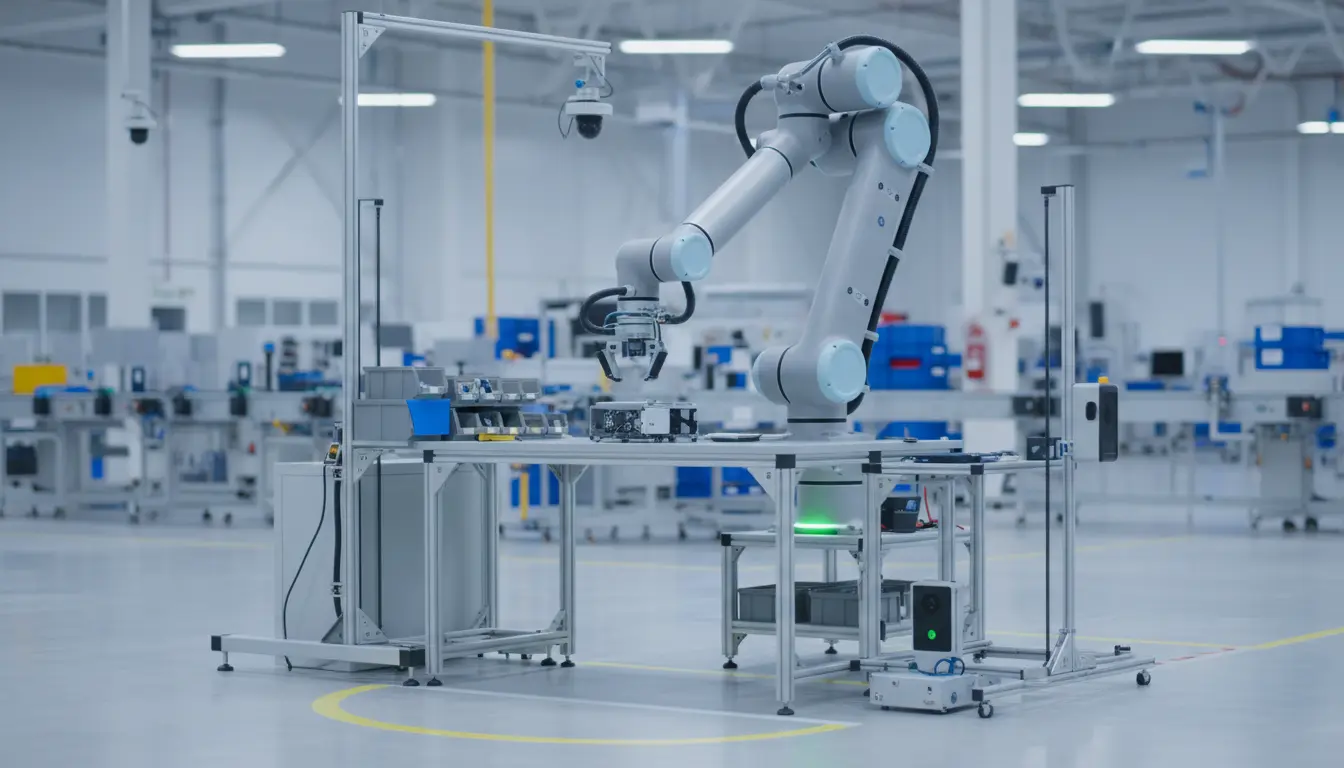
Traditional industrial robots were powerful, fast, and often dangerous if a human entered their workspace. Safety relied on rigid barriers, light curtains, and lockout procedures. Today’s collaborative robots, or cobots, are specifically engineered to share space with human workers.
Rather than isolating robots, safety is now embedded into:
- The robot’s mechanical structure
- Its sensors and perception systems
- Real‑time control algorithms
- Human‑centered interface design
This integrated approach allows robots to work closely with people while constantly monitoring and managing risk.
Key Safety Standards Shaping Human–Robot Interaction
Several international standards guide the development of safe human–robot systems. Standards such as ISO 10218 and ISO/TS 15066 define principles and limits for collaborative operation. They specify:
- Maximum allowable contact forces and pressures
- Safe speed and separation distances
- Functional safety requirements for control systems
Manufacturers and integrators increasingly follow these guidelines to design robots that maintain safe behavior even in the event of partial failures, sensor noise, or unexpected human actions.
Innovative Sensing Technologies for Safer Robots
Advanced sensing lies at the heart of new safety breakthroughs in HRI. Robots must detect humans and interpret their motion quickly and reliably.
1. Proximity and Presence Detection
Modern robots use a combination of:
- 3D cameras and LiDAR for spatial awareness
- Time‑of‑flight and ultrasonic sensors for short‑range detection
- Safety‑rated scanners to create dynamic safety zones
These sensors allow robots to slow down or stop when a person approaches, then resume operation when the area is clear.
2. Tactile and Force Sensing
To make physical contact safer, robots increasingly include:
- Joint torque sensors that measure applied forces
- Soft skins and tactile sensors covering arms or grippers
- Compliant mechanisms that flex upon impact
If contact occurs, the robot can immediately reduce torque, retract, or shift to a safe mode.
3. Vision‑Based Human Tracking
Computer vision and AI help robots:
- Recognize human body poses and gestures
- Predict trajectories of nearby people
- Distinguish between intentional approach and accidental intrusion
By understanding human movement patterns, robots can plan safer paths and avoid collisions more intelligently than rule‑based systems.
AI and Predictive Safety in Human–Robot Collaboration
New safety innovations leverage artificial intelligence to move from reactive to predictive safety.
- Behavior prediction: Machine learning models forecast where a person is likely to move next, enabling pre‑emptive speed reduction or path adjustment.
- Context awareness: Robots consider task context, such as whether a worker is carrying a heavy object or operating machinery nearby, and adjust their behavior accordingly.
- Adaptive safety envelopes: Safety zones dynamically shrink or expand based on robot speed, tool type, and human proximity.
These AI‑driven strategies support higher productivity while maintaining or even improving safety levels.
Designing Intuitive and Trustworthy Interactions
Technical safety is not enough without clear communication and intuitive interaction. Human factors and UX design play a crucial role.
Clear Robot Intent and Feedback
Safe interaction requires humans to understand what the robot will do next. Effective strategies include:
- LED strips that show robot state and direction of motion
- Simple visual displays with icons and color codes
- Audio cues that announce mode changes or warnings
When humans can easily predict robot actions, they are less likely to take risky steps or misinterpret its behavior.
Ergonomic and Psychological Safety
Beyond physical safety, users must feel safe:
- Smooth, predictable motion profiles reduce startle responses.
- Rounded edges and soft coverings minimize perceived danger.
- Consistent, polite interaction patterns increase user comfort and trust.
These design choices lead to more sustainable long‑term collaboration in workplaces, hospitals, and homes.
Safety in Social, Service, and Healthcare Robotics
As robots move into public and private spaces, safety concerns broaden.
- Service robots in hotels or airports must navigate crowded areas without bumping into people, luggage, or children.
- Healthcare robots assisting patients must handle frail bodies gently and respect privacy and ethical boundaries.
- Educational and social robots interacting with children need strict safeguards against both physical and psychological harm.
In these settings, safety frameworks combine technical constraints, legal requirements, and ethical guidelines to protect vulnerable users.
Cybersecurity as a Core Component of Safety
Physical safety and cybersecurity are now deeply interconnected. A compromised robot can become unpredictable or dangerous.
New safety strategies therefore include:
- Secure communication between sensors, controllers, and cloud services
- Strong authentication and access control for robot configuration
- Continuous monitoring for anomalous commands or behavior
By integrating cybersecurity with functional safety, organizations reduce the risk of malicious interference and protect people, data, and infrastructure.
The Future of Safety in Human–Robot Interaction
Looking ahead, several trends will further transform safety in HRI:
- Standardization of AI‑based safety methods and validation tools
- Widespread use of digital twins to simulate and test risky scenarios before deployment
- Personalized safety profiles that adapt to each user’s skills, preferences, and physical characteristics
- Regulatory expansion to cover emerging domains like autonomous vehicles, home robots, and large‑scale mobile robot fleets
As these innovations mature, humans and robots will collaborate more closely, handling complex tasks in manufacturing, logistics, healthcare, and everyday life.
Well‑designed safety mechanisms will make this collaboration not only technically feasible but also trustworthy, efficient, and socially acceptable.