
AI-Powered Traffic Management Systems for Smarter Global Cities
As urban populations grow, cities around the world struggle with congestion, pollution, and inefficient transportation networks. Traditional traffic control methods, such as fixed-timing traffic lights and manual monitoring, can no longer keep up with the dynamic needs of modern mobility. AI-powered traffic management systems are emerging as a transformative solution for building smarter, safer, and more sustainable global cities.
By combining big data, machine learning, and real-time analytics, these systems optimize traffic flow, reduce travel times, and improve the overall quality of urban life. They enable city authorities to make data-driven decisions, while providing citizens with more reliable and eco-friendly transportation experiences.
How AI-Powered Traffic Management Works
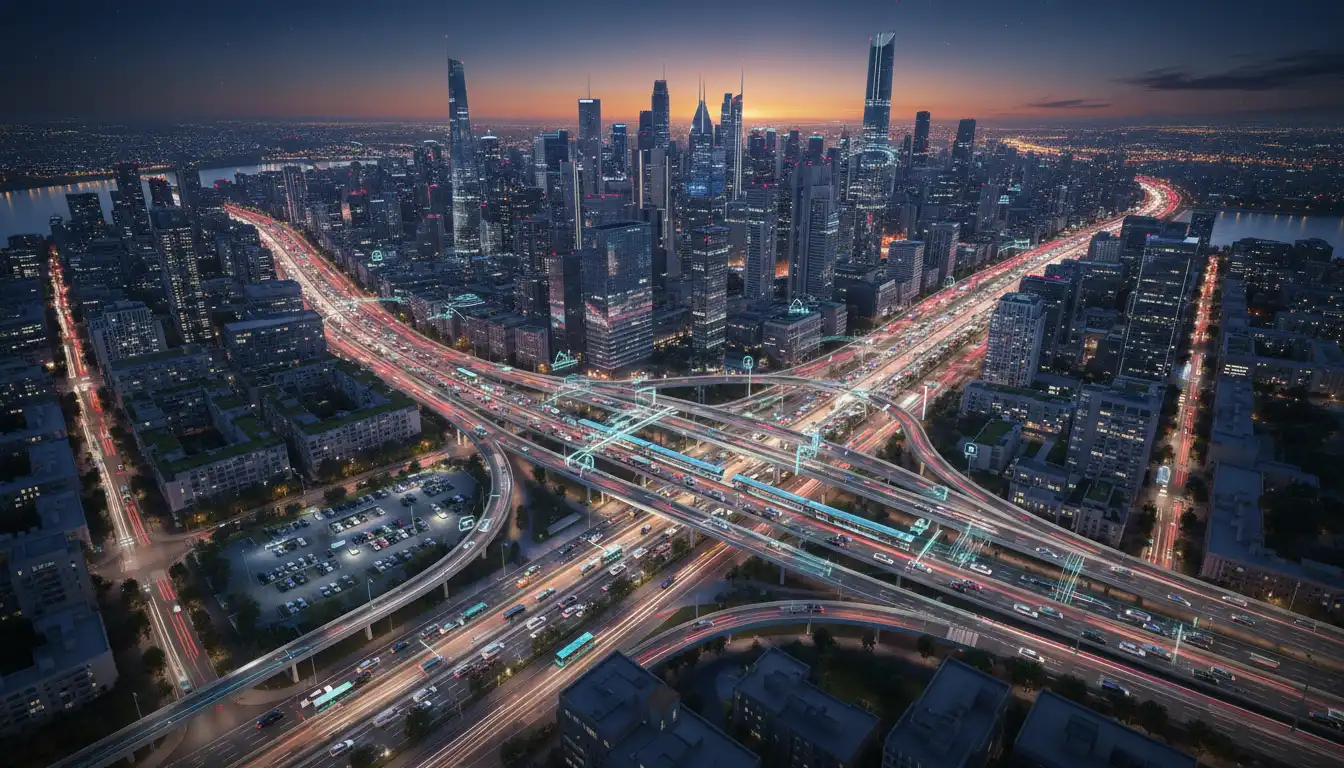
AI-driven traffic management systems collect continuous data from a variety of sources, including road sensors, GPS devices, public transport networks, connected vehicles, and CCTV cameras. Advanced algorithms then analyze this data, identify patterns, and predict how traffic will evolve in the coming minutes or hours.
Instead of relying on static rules, AI systems adapt signal timings and route recommendations in real time. For example, if a sudden slowdown occurs on a main road, the system can redirect flows to alternative routes, extend green light durations in less congested directions, and inform drivers through navigation apps or connected vehicle dashboards.
This level of automation significantly improves responsiveness. It also frees human operators from routine tasks, allowing them to focus on strategic planning and critical incidents.
Key Technologies Behind Intelligent Traffic Systems
Several core technologies work together to enable AI-driven traffic management:
- Machine Learning and Deep Learning
Machine learning models detect traffic patterns, forecast congestion, and adjust control strategies based on historical and live data. Deep learning, especially computer vision models, can recognize vehicles, pedestrians, and incidents from video feeds with high accuracy. - Computer Vision and Video Analytics
Smart cameras equipped with AI can count vehicles, estimate speeds, detect accidents, and identify violations such as running red lights or illegal turns. This information feeds directly into traffic control systems to trigger immediate responses. - IoT and Connected Infrastructure
Roadside units, intelligent traffic signals, and vehicle-to-infrastructure (V2I) communication form an integrated network. This connected infrastructure allows traffic lights to “talk” to cars, buses, and even emergency vehicles, coordinating movements to reduce delays. - Big Data Platforms and Cloud Computing
Massive amounts of real-time traffic data require scalable storage and processing. Cloud-based platforms aggregate data from multiple sources, run complex analytics, and provide dashboards and APIs for city operators and third-party services. - Predictive Analytics and Digital Twins
AI models create simulations and digital twins of urban traffic networks. These virtual replicas help planners test new road layouts, public transport routes, or policy changes—such as congestion charges—before implementing them in the real world.
Benefits for Smart and Sustainable Global Cities
AI-powered traffic management directly supports the goals of smart, sustainable, and livable cities:
Reduced Congestion and Faster Travel Times
By optimizing traffic light cycles and providing dynamic routing, AI systems can significantly cut congestion. Drivers spend less time idling or stuck in bottlenecks, which improves productivity and reduces frustration. In many pilot projects, average travel times have dropped by double-digit percentages after AI optimization.
Lower Emissions and Better Air Quality
Traffic congestion is a major source of urban air pollution. When vehicles move more smoothly and spend less time in stop-and-go conditions, fuel consumption and greenhouse gas emissions decrease. AI-based signal coordination and eco-routing can therefore play a critical role in helping cities meet climate targets and improve public health.
Improved Road Safety
AI-based video analytics and sensor fusion detect accidents, dangerous driving behavior, and pedestrian conflicts faster than human operators. Early detection enables quicker emergency responses and proactive interventions such as speed enforcement, dynamic speed limits, or targeted public safety campaigns. Over time, these measures can significantly reduce road fatalities and injuries.
Enhanced Public Transport Efficiency
AI-supported systems do not only focus on private cars. They can prioritize buses, trams, and emergency vehicles at intersections, improving reliability and attractiveness of public transport. Dynamic signal priority for buses, for example, helps maintain schedules and reduces delays at peak hours.
Data-Driven Urban Planning
Long-term data collected by AI systems provides deep insights into mobility patterns. Urban planners can identify high-demand corridors, underserved neighborhoods, and emerging trends such as micromobility usage. With these insights, they design more effective infrastructure investments, cycling lanes, pedestrian zones, and multimodal hubs.
Real-World Use Cases and Applications
Many cities have already started implementing AI-powered traffic management solutions:
- Adaptive Traffic Signal Control:
Systems automatically adjust green and red phases based on actual traffic demand instead of fixed schedules. This approach is especially effective at complex intersections and in areas with variable flows. - Incident Detection and Response:
AI algorithms continuously scan camera feeds to detect stopped vehicles, collisions, or objects on the road. The system alerts operators and suggests automatic responses, such as lane closures or rerouting. - Smart Parking Management:
Sensors and cameras identify available parking spots and guide drivers via mobile apps. AI models predict where and when spaces will be available, reducing the time spent cruising for parking. - Demand-Responsive Mobility Services:
By analyzing travel behavior, AI supports dynamic ride-sharing, on-demand shuttles, and flexible bus routes that adapt to real-time demand, reducing empty runs and improving coverage.
Challenges and Ethical Considerations
Despite their advantages, AI-powered traffic systems also present challenges that cities must address carefully:
- Data Privacy and Surveillance Concerns
Continuous data collection, especially from cameras and license plate recognition, can raise privacy questions. Cities must implement strong data governance, anonymization, and clear policies on access and retention. - Algorithmic Transparency and Fairness
AI models may unintentionally favor certain neighborhoods or routes if they are trained on biased data. Transparent algorithms and continuous auditing are necessary to ensure fair distribution of benefits and avoid digital inequities. - Cybersecurity Risks
Connected infrastructure can become a target for cyberattacks. Robust security architectures, regular audits, and incident response plans are essential to protect critical transportation systems. - Integration with Legacy Infrastructure
Many cities still rely on aging traffic controllers and fragmented data systems. Integrating AI solutions requires step-by-step modernization, standardized interfaces, and strong collaboration between public and private partners.
Future Outlook: Towards Fully Intelligent Urban Mobility
In the coming years, AI-powered traffic management systems will become even more sophisticated as autonomous vehicles, 5G networks, and edge computing mature. We will see:
- Tighter integration between private cars, shared mobility services, and public transport.
- Personalized, real-time mobility recommendations delivered directly to citizens.
- City-wide optimization that balances efficiency, safety, and sustainability objectives.
Ultimately, AI will help transform global cities into intelligent mobility ecosystems, where traffic management is not just about moving vehicles but about enabling accessible, inclusive, and environmentally responsible urban life.