
Smart Home Integration: Using Tesla Powerwall and Your EV in the U.S. Energy Ecosystem
As the U.S. energy landscape rapidly shifts toward renewables and electrification, homeowners are asking a crucial question: how can I turn my house, solar panels, Tesla Powerwall, and electric vehicle (EV) into an integrated, cost‑saving, and resilient smart energy system?
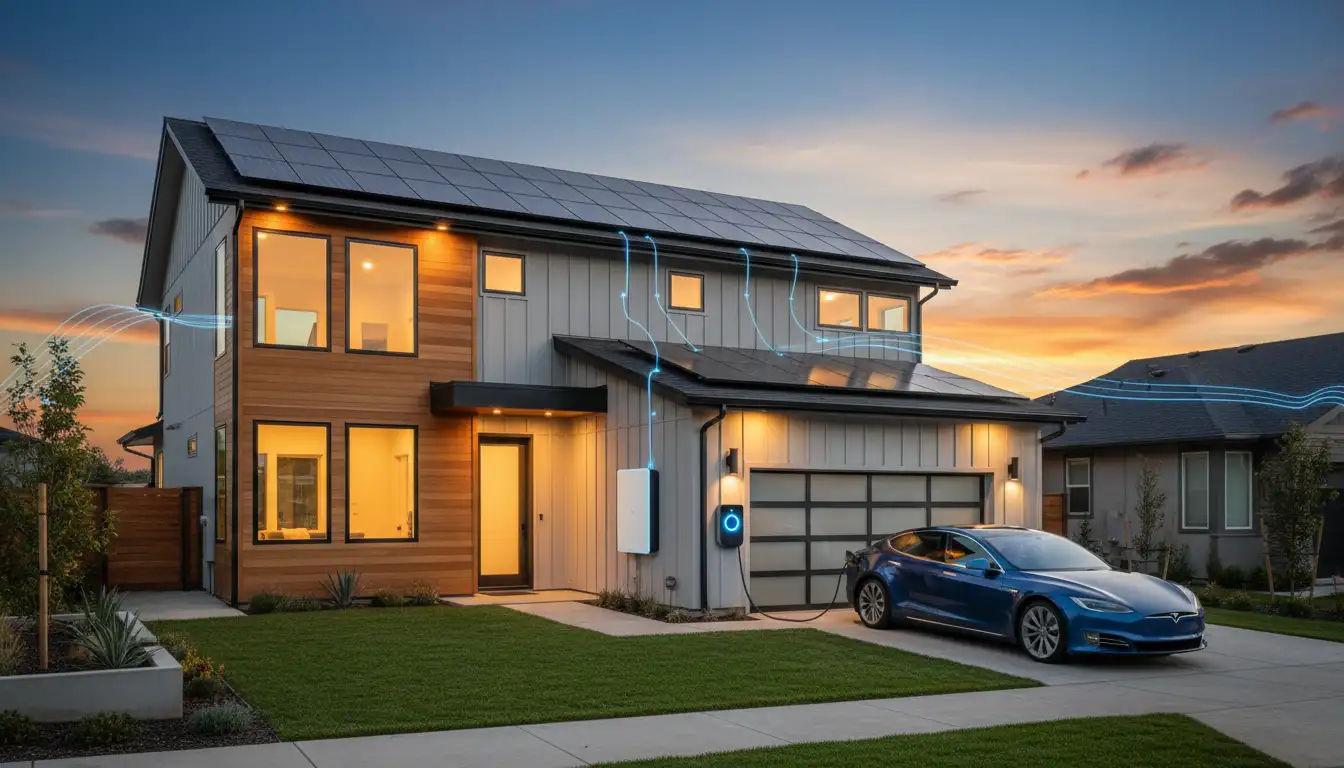
Integrating a Tesla Powerwall with your EV and broader smart home setup can transform your property from a passive energy consumer into an active player in the modern U.S. energy ecosystem. With the right configuration, you can reduce electricity bills, protect against outages, support the grid, and shrink your carbon footprint—all while enjoying a more automated, comfortable home.
Understanding the Role of Tesla Powerwall in a Smart Home
The Tesla Powerwall is a rechargeable lithium‑ion home battery designed to store excess electricity and dispatch it when you need it most. In a typical smart home configuration in the U.S., the Powerwall sits between your solar array, the grid, and your home’s main electrical panel.


Key Functions of Tesla Powerwall
- Energy storage: Stores surplus solar energy generated during the day or cheap off‑peak grid power at night.
- Backup power: Automatically powers your home during grid outages, keeping essential loads like lights, Wi‑Fi, and refrigeration running.
- Load shifting: Discharges stored energy during expensive peak hours to reduce your utility bill.
- Grid support (where allowed): In some regions and utility programs, the Powerwall can participate in virtual power plant (VPP) networks to support grid stability and earn incentives.
When combined with a robust smart home platform—such as Tesla’s own app plus third‑party automation systems—the Powerwall becomes an intelligent, responsive asset that aligns your energy use with real‑time prices and grid conditions.
EVs as Mobile Batteries in the U.S. Energy Ecosystem
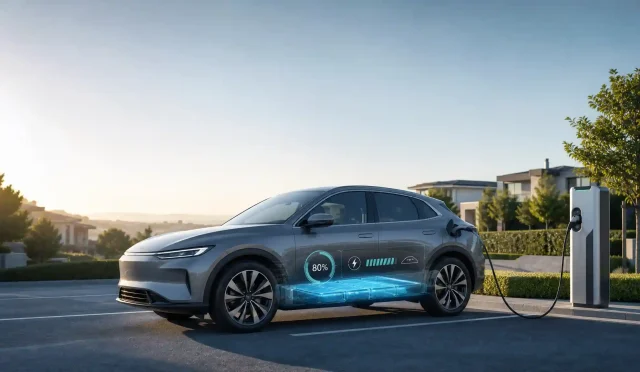
Your EV is more than transportation; it is effectively a large battery on wheels. As battery capacities grow, many EVs can store 60–100+ kWh of energy—far more than a single Powerwall. In the context of U.S. energy markets, this opens exciting opportunities.
How EVs Interact With Home and Grid
- Smart charging
With a Wi‑Fi–enabled Level 2 charger or integrated Tesla Wall Connector, your car can charge when electricity is cheapest or cleanest. Time‑of‑use (TOU) rates, demand charges, and dynamic pricing programs are increasingly common in the U.S., making smart charging a direct money saver. - Load management
Charging is scheduled to avoid coinciding with high household loads—like electric ovens, HVAC startup, or clothes dryers—reducing peak demand and potential demand charges. - Vehicle‑to‑Home (V2H) and Vehicle‑to‑Grid (V2G)
While Tesla doesn’t yet provide full V2H/V2G functionality in all markets, the broader EV and energy ecosystem is clearly moving in that direction. Other automakers and charger brands already support V2H in certain U.S. regions, and regulatory frameworks for V2G are maturing. In the future, your EV could feed power back to your home or the grid during peak events, getting you compensation or bill credits.
Even without full bidirectional capability, an EV plus Tesla Powerwall combination already delivers significant optimization thanks to coordinated charging and battery discharge strategies.
Designing a Smart Home Energy Strategy With Powerwall and EV
Integrating Tesla Powerwall and your EV into a cohesive system requires a clear strategy tailored to U.S. grid realities and your local utility rules.
1. Prioritize Solar Self‑Consumption
If you have rooftop solar, the first goal is often to maximize self‑consumption—using your own solar energy rather than exporting it at low net metering rates.
- During the day, solar first powers household loads.
- Any surplus charges the Powerwall.
- Once the Powerwall reaches your preferred reserve level, the remaining surplus can charge your EV.
- At night or during cloudy periods, the Powerwall discharges to cover loads, while EV charging is postponed to off‑peak hours where possible.
This strategy minimizes grid imports and turns your home into a semi‑independent micro‑power plant.
2. Align With Time‑of‑Use (TOU) and Dynamic Pricing
Many U.S. utilities—especially in California, New York, Texas, and other high‑demand regions—use TOU or real‑time pricing.
A smart configuration might look like this:
- Off‑peak (late night / early morning):
- Charge EV at maximum allowable rate.
- Optionally top up Powerwall from the grid if solar output will be low next day.
- Mid‑day (solar peak):
- Charge Powerwall with excess solar.
- Charge EV only with solar surplus, avoiding grid usage where possible.
- On‑peak (late afternoon / evening):
- Discharge Powerwall to meet home loads.
- Suspend EV charging or limit it to essential minimum levels.
Using the Tesla app or a home automation hub, these rules can run automatically, making your system responsive and “set‑and‑forget.”
3. Plan for Backup Power and Resilience
In a U.S. context where extreme weather events and aging grid infrastructure cause increasingly frequent outages, resilience is a major reason to combine Powerwall and EV.
- Define critical loads: Refrigerator, lighting, communication devices, key medical equipment, and possibly a small HVAC unit or heat pump.
- Reserve settings: Configure a Powerwall reserve percentage that it will not dip below during normal operation, ensuring backup capacity for outages.
- Outage behavior: In the event of an outage, EV charging is paused or limited to prevent draining the Powerwall. Once grid power returns, smart rules resume.
With careful sizing and settings, a Powerwall plus energy‑aware EV charging strategy can keep your essential loads running for many hours or even days, depending on solar availability.
Integration With Smart Home Platforms and Devices
To unlock the full potential of a Tesla Powerwall and EV in your smart home, you need robust automation and data visibility.
Key Integration Layers
- Native Tesla ecosystem:
The Tesla app provides real‑time insights into Powerwall charge level, solar production, and EV charging status. It also supports some basic scheduling and backup preferences. - Third‑party smart home hubs:
Platforms like Home Assistant, SmartThings, or other open‑source tools allow more granular automation, such as:- If electricity price > X and Powerwall > Y%, pause EV charging.
- If weather forecast predicts low solar tomorrow, prioritize grid charging overnight.
- If a utility demand response event is announced, pre‑charge Powerwall and EV, then minimize grid use during the event.
- Smart appliances and thermostats:
Smart thermostats, water heaters, and load controllers can further optimize energy usage. For example, precooling your home before peak hours while solar output is high and then letting temperature drift slightly during peak periods reduces load on Powerwall and grid.
The more devices share data, the more your home can act like an integrated, self‑optimizing energy system.
Policy, Incentives, and the U.S. Regulatory Landscape
The U.S. energy ecosystem is fragmented across thousands of utilities and multiple regulatory bodies. This complexity can be a challenge, but it also creates opportunities.
Incentives and Programs to Explore
- Federal tax credits:
The Investment Tax Credit (ITC) and related incentives can apply to solar and sometimes to battery storage when installed with solar, significantly reducing upfront costs. - State and utility rebates:
States like California, New York, Massachusetts, and others offer rebates or performance‑based incentives for home batteries and EV charging infrastructure. - Virtual Power Plant (VPP) programs:
Tesla and various utilities run VPP programs where aggregated Powerwalls support the grid during peak events. Homeowners may receive bill credits, performance payments, or other financial benefits. - EV managed charging and V2G pilots:
Some utilities offer reduced rates or credits for participating in EV load management or V2G pilots, where your EV charging is coordinated with real‑time grid needs.
Before designing your system, check your local utility’s tariffs, incentives, and interconnection rules. These policies strongly influence the optimal configuration of your Powerwall and EV integration.
Best Practices for Optimizing Tesla Powerwall + EV Integration
To get the most out of your smart home energy system, focus on a few guiding principles:
- Measure first
Use smart meters, energy monitoring hardware, or detailed utility data to understand your usage patterns. Knowing when and how you consume energy helps you design effective automations. - Right‑size your system
Match solar capacity, number of Powerwalls, and EV battery size to your typical loads and goals. Oversizing can be expensive, while undersizing can limit savings and resilience. - Automate, but stay flexible
Start with conservative rules and gradually refine them as you learn. For example, begin with simple TOU‑based EV charging and then layer in dynamic rules based on weather or real‑time prices. - Stay informed about policy changes
Net metering rules, VPP programs, and EV tariffs can change. Periodically review your plan to ensure you still align with the most beneficial options. - Prioritize resilience if you live in outage‑prone regions
If you’re in states affected by wildfires, hurricanes, or ice storms, design your system first around backup needs, then optimize for economics.
By combining smart technology, good data, and awareness of local policies, your Tesla Powerwall and EV can become powerful tools within the broader U.S. clean energy transition.