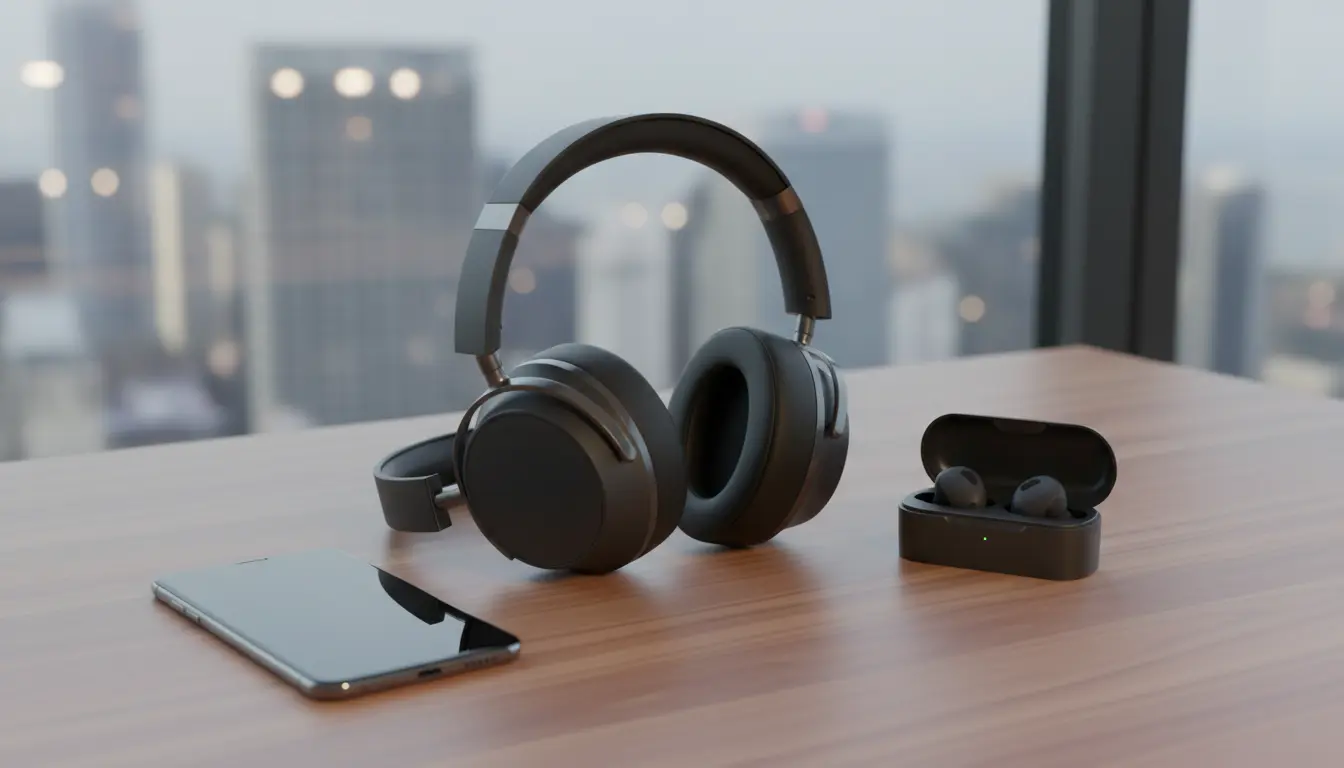

Noise-Cancelling Innovations in Headphones and Earbuds
Noise-cancelling technology in headphones and in‑ear earbuds has evolved rapidly over the last decade. What started as a premium feature for frequent flyers is now a common expectation in everyday audio devices. From hybrid active noise cancelling (ANC) to AI‑powered sound optimization, manufacturers are racing to deliver a quieter, more immersive listening experience. In this article, we’ll explore how modern noise‑cancelling systems work, what innovations are shaping the market, and how to choose the best pair of headphones or earbuds for your needs.
How Noise-Cancelling Technology Works
To understand recent innovations, it helps to know the basics of noise cancellation. There are two main approaches:
- Passive Noise Isolation
Passive isolation relies on physical design and materials to block external sound. Over‑ear cups that fully surround the ear, dense padding, and well‑sealed in‑ear tips all create a barrier that reduces ambient noise. This method is especially effective against higher‑frequency sounds like conversations or keyboard clicks. - Active Noise Cancelling (ANC)
Active noise cancelling goes a step further by using microphones and digital signal processing. Small microphones placed on the outside, inside, or both sides of the ear cups or earbuds capture external sounds. The device then generates an “anti‑noise” signal—essentially an inverted sound wave—that cancels out incoming noise before it reaches your ears. ANC is particularly effective against low‑frequency, consistent noises like airplane engines, air conditioners, or traffic hum.
Modern devices typically combine passive isolation with ANC to achieve a more complete noise‑reduction profile across the frequency spectrum.



Key Innovations in Noise-Cancelling Headphones
Over‑ear and on‑ear headphones still offer the most powerful form of noise cancellation. Recent innovations in this category focus on comfort, smarter tuning, and more natural sound.
- Hybrid ANC Systems
Early ANC headphones used either feedforward (external microphones) or feedback (internal microphones) systems. Today, many flagship models use hybrid ANC, combining both approaches.- Feedforward mics capture noise before it enters the earcups.
- Feedback mics listen inside the earcup to catch any residual noise or inconsistencies.
This hybrid design helps reduce a broader range of frequencies and adapts better to different environments.
- Adaptive and Dynamic Noise Control
Instead of offering a fixed level of cancellation, adaptive ANC adjusts in real time based on your surroundings. Using built‑in sensors and processing, the headphones can increase noise reduction on a noisy commute, then dial it down in a quieter office. Some models even analyze the shape of your ears and head to customize the ANC profile for a more precise fit. - AI‑Enhanced Noise Cancellation
A growing number of headphones use machine learning to recognize different types of noise—such as human voices, engine rumble, or keyboard clatter—and optimize suppression accordingly. This AI‑based approach helps maintain audio quality while reducing unwanted sounds, minimizing the “pressure” or “ear vacuum” sensation some users feel with aggressive ANC. - Improved Comfort and Battery Life
Noise‑cancelling headphones now feature lighter materials, ergonomic headbands, and more breathable ear cushions, allowing for longer wear without fatigue. At the same time, efficient chipsets and optimized ANC algorithms deliver extended battery life—often 30 hours or more with ANC enabled—making them ideal for travel and full workdays. - Transparency and Ambient Sound Modes
One of the most useful innovations is the ability to control how much of the outside world you hear. Transparency or ambient sound modes use the same microphones as ANC, but instead of cancelling noise, they pipe it into your ears. This allows you to stay aware of traffic while walking, hear announcements at the airport, or have quick conversations without removing your headphones. Many devices offer multiple levels of transparency for fine‑tuned control.
Noise-Cancelling Advances in In-Ear Earbuds
In‑ear earbuds pose unique challenges for noise‑cancelling technology due to their small size and limited battery capacity. Despite this, innovation has been rapid, bringing premium ANC performance to extremely compact form factors.
- Miniaturized ANC Components
Manufacturers have dramatically shrunk microphones, processors, and drivers to fit inside tiny earbud shells. These components still provide powerful ANC while maintaining comfort and ensuring a secure fit inside the ear canal. The best models combine snug silicone or foam tips with advanced ANC to rival over‑ear headphones in everyday scenarios. - Ear Tip Design and Fit Detection
Because the in‑ear seal is critical for both sound quality and noise reduction, modern earbuds often include multiple ear tip sizes and shapes. Many now feature fit‑test functions that analyze sound leakage and guide you to the best tip size. This directly improves passive isolation and helps ANC perform at its full potential. - Adaptive Wind and Motion Handling
Outdoor use introduces challenges such as wind noise and movement. Newer earbuds use software to detect wind and selectively adjust or disable some microphones to prevent unpleasant “whooshing” sounds. Gyroscopes and motion sensors can also help the earbuds understand when you’re walking, running, or sitting still, and adapt the ANC profile accordingly. - Multipoint Connectivity and Smart Features
Modern noise‑cancelling earbuds support seamless switching between multiple devices—like a laptop and smartphone—without manual reconnection. Some include conversation mode features: when you start talking, ANC automatically reduces and transparency mode activates, so you can chat naturally without removing the earbuds. - Battery Optimization and Fast Charging
Earbuds integrate low‑power ANC algorithms and efficient Bluetooth chips to maximize battery life, commonly delivering 5–8 hours with ANC on, plus several additional charges via the case. Fast‑charging solutions allow you to gain hours of playback from a few minutes of charging, making them practical for busy, on‑the‑go lifestyles.
Choosing Between Noise-Cancelling Headphones and Earbuds
When deciding between over‑ear headphones and in‑ear earbuds, consider your typical usage scenarios and priorities:
- For travel and long listening sessions
Over‑ear headphones usually provide stronger ANC and more spacious sound, making them ideal for flights, trains, and focused work. Their larger batteries support all‑day use without frequent charging. - For commuting, workouts, and minimalism
Earbuds are lightweight, pocketable, and better suited to active use. Many models offer sweat resistance and secure fit designs, making them great for the gym or outdoor activities. - For calls and remote work
Look for models with advanced microphone arrays and AI‑based noise reduction for clear phone calls and virtual meetings. Both headphones and earbuds can excel here, but earbuds may feel more discreet during video calls. - For sound quality enthusiasts
Audio tuning varies significantly between brands. If you value a natural, detailed sound signature, consider devices with high‑resolution codec support (such as LDAC or aptX Adaptive) and customizable EQ settings in the companion app. This lets you fine‑tune your sound profile while still benefiting from cutting‑edge noise cancellation.
The Future of Noise-Cancelling Audio Devices
The next wave of innovations in noise‑cancelling headphones and earbuds will likely focus on personalization, health tracking, and deeper integration with smart ecosystems. We can already see prototypes and early products that:
- Analyze your hearing profile and subtly adjust the sound to protect your ears.
- Use biometric sensors to track heart rate or stress levels during listening sessions.
- Integrate seamlessly with virtual assistants, smart home devices, and AR/VR platforms.
As these technologies mature, noise‑cancelling headphones and earbuds will become more than just listening devices; they will serve as personal, always‑on companions for productivity, wellness, and immersive entertainment.
By understanding how today’s noise‑cancelling solutions work and what innovations are available, you can make a more informed choice and enjoy clearer sound, greater comfort, and a truly immersive audio experience in any environment.