
Turning Waste Heat into Usable Energy: Inventions Driving a Greener Future
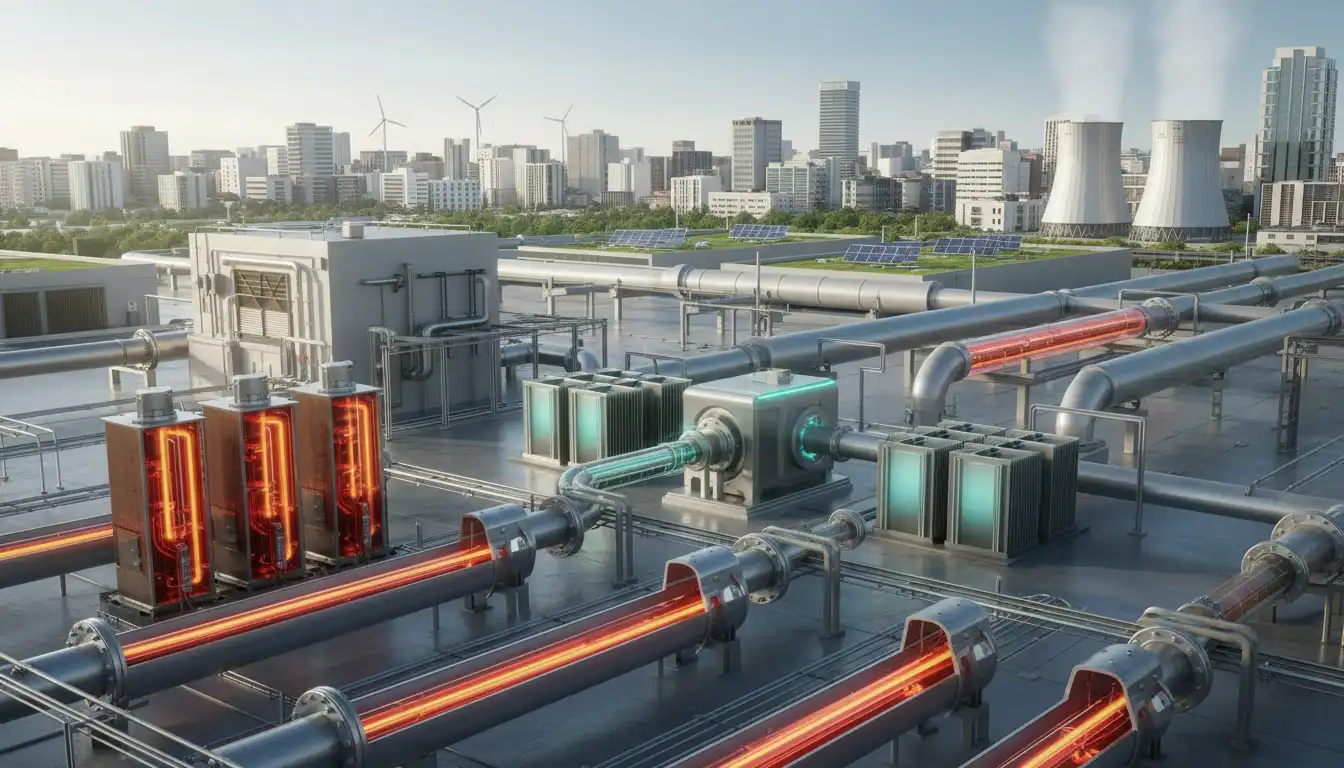
Recovering waste heat and converting it into usable energy is one of the most powerful ways to increase energy efficiency and cut emissions. Waste heat to energy conversion technologies capture excess thermal energy from industrial processes, data centers, buildings, and vehicles, turning it into electricity, heating, or cooling instead of letting it dissipate into the environment.
By treating waste heat as a strategic resource, businesses can lower fuel consumption, reduce operational costs, and move closer to their sustainability and decarbonization targets.
What Is Waste Heat and Why Does It Matter?
Waste heat is the unused thermal energy released from processes such as power generation, manufacturing, transportation, and even commercial HVAC systems. Typical sources include:
- Industrial furnaces, kilns, and boilers
- Exhaust gases from power plants and engines
- Cooling water and steam from process industries
- Data centers and large‑scale server rooms
Without waste heat recovery systems, this energy is simply lost. Capturing it and converting it into usable energy improves overall system efficiency and reduces the need for additional primary energy, such as natural gas or coal. This directly supports climate goals and energy security.
Key Technologies That Convert Waste Heat into Energy
Modern inventions have made it possible to use low‑ and medium‑temperature waste heat that previously could not be exploited. The most impactful technologies include:
1. Organic Rankine Cycle (ORC) Systems
Organic Rankine Cycle technology is a leading solution for low grade heat to power conversion. Instead of water, ORC systems use an organic working fluid with a lower boiling point, allowing them to operate efficiently at lower temperatures.
How ORC systems work:
- Waste heat from exhaust gases, thermal oil, or hot water heats the organic fluid.
- The fluid vaporizes and drives a turbine connected to a generator.
- The vapor is then condensed and recycled in a closed loop.
ORC units are widely used in:
- Cement and glass plants
- Biomass and geothermal power plants
- Steel, chemical, and food processing industries
These systems deliver reliable electricity with relatively low maintenance needs and can operate continuously in harsh industrial environments.
2. Thermoelectric Generators (TEGs)
Thermoelectric generator applications are based on the Seebeck effect, where a temperature difference across special materials generates a voltage. TEGs have no moving parts, making them:
- Silent
- Compact
- Highly durable
Typical use cases include:
- Harvesting exhaust heat from vehicle engines
- Capturing pipe and flue gas heat in industrial plants
- Powering sensors and remote monitoring systems
Although their efficiency is lower than ORC systems, TEGs shine in small‑scale and localized waste heat to energy conversion applications where simplicity and robustness are priorities.
3. High‑Efficiency Heat Exchangers
In many situations, it is more economical to reuse heat directly rather than convert it into electricity. Here, heat exchanger efficiency is critical. Plate, shell‑and‑tube, and regenerative heat exchangers can:
- Preheat combustion air for boilers
- Warm process water or feedwater
- Support drying, washing, and cleaning operations
In commercial buildings, heat recovery ventilation captures warmth from exhaust air and transfers it to fresh intake air, reducing heating demand and improving indoor air quality.
District Heating and Data Center Heat Recovery
Modern energy systems increasingly integrate district heating from waste heat. Instead of relying solely on dedicated boilers or CHP units, networks can tap into excess heat from:
- Industrial processes
- Waste incineration plants
- Data centers and server farms
- Wastewater treatment plants
Large heat pumps can “upgrade” low‑temperature waste heat to higher temperatures suitable for district heating pipelines. Data center heat recovery is especially promising in urban areas, where server heat can be redirected to residential and commercial buildings, cutting both heating costs and emissions.
Absorption Chillers: Turning Waste Heat into Cooling
In regions with high cooling demand, absorption chiller using waste heat is a highly efficient solution. Instead of electricity, absorption chillers use heat to drive the refrigeration cycle, typically with lithium bromide–water or ammonia–water working pairs.
Key benefits include:
- Utilizing otherwise wasted process heat
- Providing cooling for buildings, industrial processes, and data centers
- Flattening seasonal energy demand by using summer heat for cooling
By linking heating and cooling needs, absorption chillers turn waste heat into an asset that supports overall energy efficiency in industry and commercial buildings.
Materials, Digitalization, and Advanced Waste Heat Utilization
Rapid innovation in materials and control systems is unlocking new process heat recovery solutions and more effective sustainable thermal energy management:
- Advanced thermoelectric materials with higher conversion efficiency
- Phase‑change materials that store heat for later use
- Improved organic working fluids for ORC plants
- Smart sensors and digital platforms that optimize system operation in real time
Integrating these technologies helps organizations design flexible, data‑driven industrial waste heat utilization strategies that adapt to changing production levels and energy prices.
Environmental and Economic Benefits of Waste Heat Recovery
Implementing waste heat recovery systems brings significant environmental and financial advantages:
Environmental benefits:
- Lower primary fuel consumption
- Reduced CO₂ and pollutant emissions
- Support for national and corporate decarbonization targets
- Less reliance on fossil‑fuel‑based peak power generation
Economic benefits:
- Lower energy bills and improved competitiveness
- Short to medium payback periods in energy‑intensive sectors
- Potential revenue streams from selling surplus electricity or heat
- Stronger ESG performance and sustainability branding
In many regions, policy incentives, tax breaks, and grants make investment in combined heat and power optimization and waste heat projects even more attractive.
Overcoming Barriers and Unlocking Full Potential
Despite its strong value proposition, decarbonizing industrial processes with waste heat utilization still faces hurdles:
- Upfront capital costs and long decision cycles
- Lack of awareness of available technologies
- Space limitations and integration challenges in existing plants
- Variability of heat sources and complex operating profiles
Thorough energy audits, feasibility studies, and lifecycle cost analyses help organizations identify where process heat recovery solutions will have the greatest impact. Collaboration between technology providers, utilities, and end users is key to scaling these projects.
As energy prices remain volatile and climate regulations tighten, renewable‑like waste heat energy will increasingly be seen as a strategic, long‑term asset rather than a side benefit.
Conclusion: Waste Heat to Energy Conversion as a Strategic Resource
Inventions that enable waste heat to energy conversion—from ORC systems and thermoelectric generators to high‑efficiency heat exchangers and absorption chillers—are reshaping industrial and urban energy systems. They help companies do more with less, cutting costs while significantly reducing environmental impact.
By integrating industrial waste heat utilization into corporate energy strategies, businesses can:
- Improve profitability
- Strengthen resilience against energy price shocks
- Demonstrate strong climate leadership
Treating waste heat as a valuable resource rather than an unavoidable loss is a crucial step toward a more efficient, low‑carbon, and sustainable energy future.