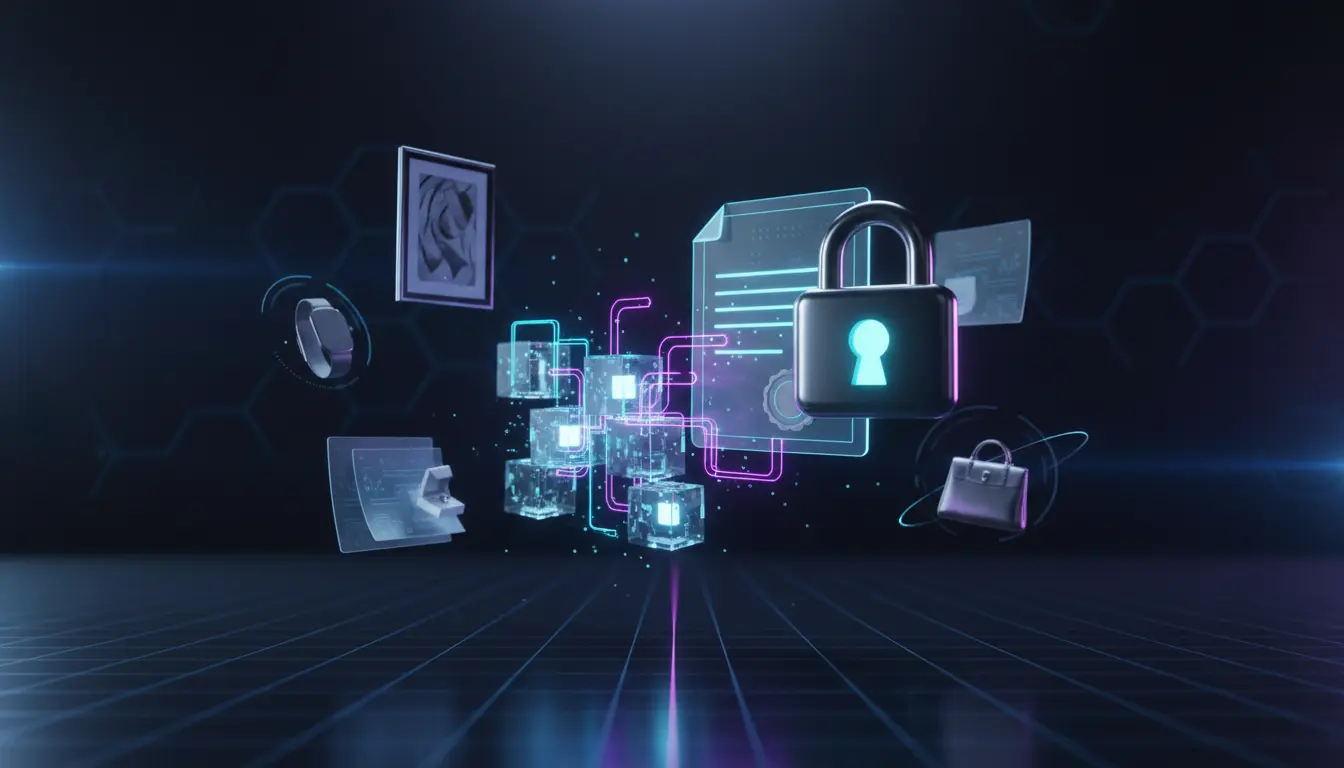

NFT-Based Digital Certificates: The Future of Asset Authentication
In a world where both physical and digital assets are traded globally in seconds, verifying the authenticity of ownership has become a serious challenge. Counterfeit luxury goods, forged art pieces, fake diplomas, and manipulated digital files are now everyday problems. This is exactly where NFT-based digital certificates step in as a powerful, blockchain-backed solution for asset authentication.
Non-Fungible Tokens (NFTs) are unique cryptographic tokens stored on a blockchain. Unlike cryptocurrencies such as Bitcoin, each NFT has a distinct identity and metadata, making it ideal for representing ownership and provenance of assets. When combined with the concept of digital certificates, NFTs can serve as tamper-proof proof-of-ownership documents, securely linking a person, organization, or product to a verifiable record on the blockchain.
What Are NFT-Based Digital Certificates?
An NFT-based digital certificate is a blockchain record that acts as an official proof of authenticity or ownership for a specific asset. That asset can be:
- A physical product, such as a luxury watch, artwork, or collectible
- A digital file, such as a music track, design, software license, or e-book
- An intangible record, such as a diploma, course completion, or membership
The NFT contains metadata that can include:
- The asset’s unique identifier or serial number
- Information about the issuer (brand, institution, or creator)
- Time-stamped transaction history showing creation and transfers
- Links to additional documents, media files, or verification portals
Because this data is stored on a decentralized blockchain network, it becomes nearly impossible to alter or forge without detection. This is a major upgrade compared to traditional paper certificates or centralized digital databases that can be hacked or manipulated.
How NFT Certificates Support Asset Authentication
The primary goal of NFT-based certificates is asset authentication, ensuring that a buyer, collector, or verifier can confidently know:
- Is the asset genuine?
- Who owns it right now?
- What is its full history?
In practice, this works through an on-chain verification process:
- The issuer (e.g., brand, creator, or institution) mints an NFT that represents the certificate.
- The NFT is linked to the asset through unique identifiers, QR codes, NFC chips, or digital file hashes.
- When ownership changes, the NFT is transferred to the new owner’s wallet, creating a permanent, traceable record.
Anyone who wants to verify the asset can simply check the NFT on the blockchain explorer, see the original issuer, and follow the immutable transaction history. This offers strong protection against counterfeits and fraud, especially in markets where trust is a selling point, such as fine art, luxury goods, and education.
Real-World Use Cases
NFT-based digital certificates are not just a theoretical concept. Multiple industries are actively exploring and adopting them:
- Luxury goods and fashion: Brands can issue NFT certificates that pair with each physical item. Scanning a QR code or NFC tag reveals the NFT on-chain, proving the item is authentic and not a replica.
- Art and collectibles: Artists can tokenize certificates of authenticity, recording every sale on-chain. This increases transparency, supports royalties, and protects both artists and buyers from forgery.
- Education and credentials: Universities, online academies, and training providers can issue blockchain-based diplomas and certificates, making them easily verifiable by employers without fear of tampering.
- Real estate and high-value assets: Although still early, NFT certificates can represent shares or proofs of ownership in real estate, vehicles, or industrial equipment.
- Software and digital content licensing: Instead of vulnerable license keys, NFTs can grant access rights to software, digital artwork, games, or subscription services.
Across these sectors, the common value lies in trust, transparency, and interoperability—all core strengths of NFT technology.
Benefits of NFT-Based Digital Certificates
There are several powerful advantages that explain why NFT-based digital certificates are gaining traction:
- Immutable proof of authenticity
Blockchain records cannot be casually edited. Once an NFT is minted and recorded, it serves as a tamper-resistant certificate that can be independently verified. - Transparent ownership history
Every transfer or update is stored on-chain. This means anyone can view the full provenance of an asset—from its original creator or issuer to the current owner. - Global and instant verification
Verification no longer depends on a single institution’s database. Anyone with internet access can confirm authenticity in real time, regardless of their location. - Interoperability across platforms
NFTs follow open standards like ERC-721 or ERC-1155, meaning the same certificate can be recognized across marketplaces, wallets, and verification tools. - Enhanced security vs traditional certificates
PDFs, paper documents, and centralized databases are vulnerable to fraud, duplication, or hacking. NFT-based certificates significantly reduce these risks. - New business models and revenue streams
Issuers can integrate royalty mechanisms, secondary market analytics, and premium verification services around NFT certificates.
Challenges and Considerations
Despite their potential, NFT-based digital certificates are not without limitations:
- User experience barriers: Managing wallets, private keys, and gas fees can still be confusing for everyday users. For mass adoption, the UX must become simpler and more intuitive.
- Regulatory and legal uncertainty: In some jurisdictions, the legal status of NFT-based certificates as formal proof of ownership is still evolving. Organizations must monitor compliance and legal frameworks.
- Environmental and scalability concerns: While many modern blockchains focus on energy efficiency and scalability, concerns persist in markets that associate NFTs with high energy use. Choosing sustainable networks is crucial.
- Long-term accessibility: Issuers must carefully select blockchains and storage solutions that are likely to remain accessible and secure for decades.
Even with these challenges, innovation continues rapidly, and solutions such as layer-2 networks, eco-friendly blockchains, and custodial wallets are making NFT certificates more practical for real-world deployment.
Best Practices for Implementing NFT Certificates
For organizations looking to use NFT-based digital certificates for asset authentication, several best practices can improve security, usability, and trust:
- Choose a reputable, secure blockchain with strong community support and a proven track record.
- Link physical assets tightly to their NFT via secure identifiers like encrypted QR codes or embedded chips, making it hard to separate the certificate from the item.
- Design clear verification workflows for customers, partners, and auditors—ideally, one-click verification through a simple URL or app.
- Educate users on how to store and protect their NFT certificates, especially regarding wallets, private keys, and phishing risks.
- Ensure compliance with local regulations around data privacy, consumer protection, and financial instruments.
When implemented correctly, NFT-based certifications can become a core component of a brand’s trust architecture, strengthening customer confidence and protecting brand value.
The Future of Asset Authentication with NFTs
As digital transformation accelerates, the boundary between physical and digital value continues to blur. NFT-based digital certificates offer a robust, scalable, and verifiable way to anchor assets—whether tangible or intangible—to a secure blockchain record. For industries battling counterfeit goods, document forgery, or fragmented records, they represent a clear path toward more trustworthy and transparent asset authentication.
From luxury brands and creative industries to education, real estate, and software, the ability to issue blockchain-backed certificates will likely become a competitive differentiator. Organizations that adopt these tools early can build deeper customer trust, stronger anti-counterfeiting protections, and more efficient verification processes, positioning themselves at the forefront of the next wave of digital innovation.