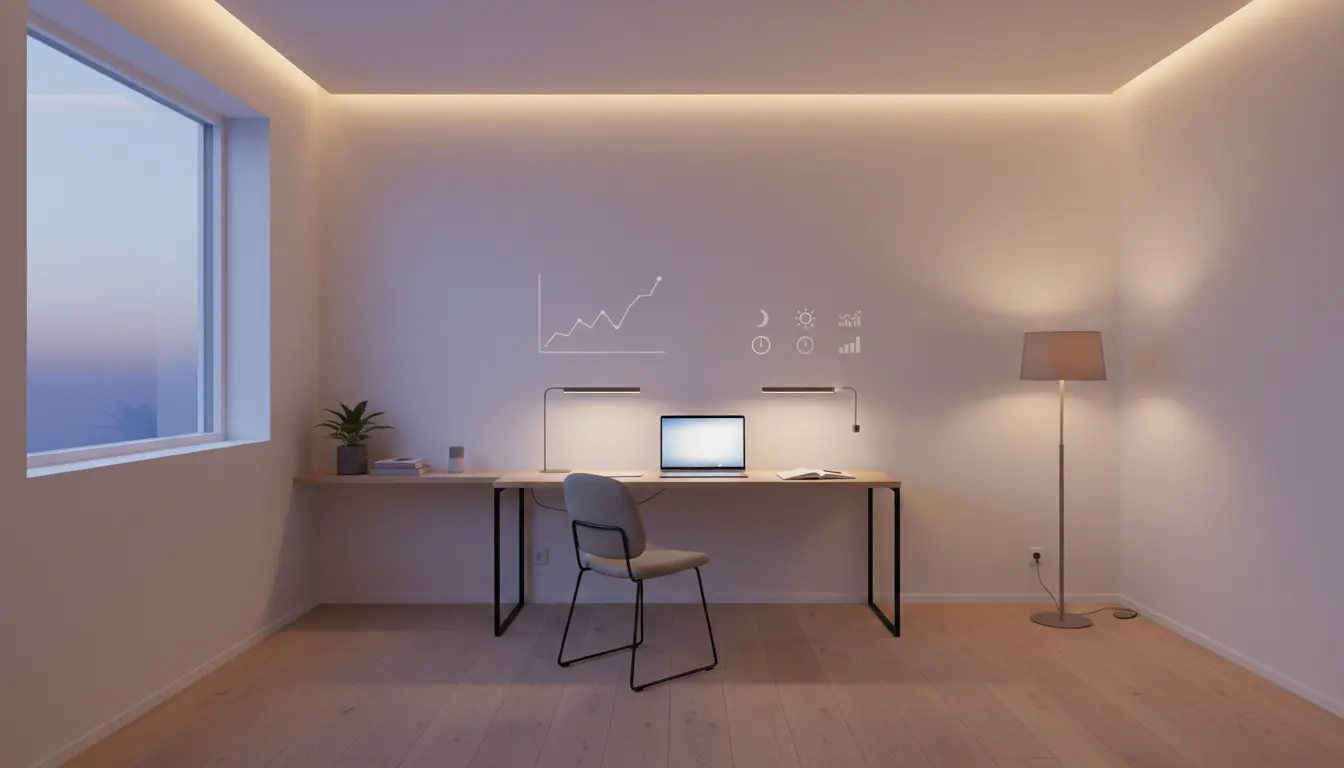

Smart Lighting Systems for Mood and Productivity
In recent years, smart lighting systems have moved from luxury gadgets to essential tools for creating healthier and more productive living and working spaces. The way we light our homes and offices directly influences our mood, focus, and even our sleep quality. By using connected bulbs, sensors, and intelligent control apps, smart lighting systems give us the power to shape our environment in a way that supports both emotional well‑being and daily performance.
Modern smart lighting is built around LED technology, wireless connectivity, and automation platforms such as Wi‑Fi, Zigbee, or Bluetooth. Instead of a single on–off switch, you can adjust brightness, color temperature, and even color with a tap on your smartphone or a voice command. More advanced systems use schedules, presence detection, and natural‑light tracking to mimic the rhythm of the sun. This combination of flexibility and automation is what makes smart lighting so powerful for both mood regulation and productivity.
How Light Affects Mood and Emotional Well‑Being
Light is one of the strongest signals for our brain. It influences hormones like melatonin and serotonin, which are closely linked to our emotional state. Bright, cool light in the morning can make us feel more awake and motivated, while warm, dim light in the evening helps us relax and unwind.
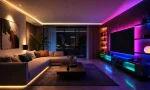

Smart lighting systems allow you to design custom “mood scenes” for different activities. For example, you might choose a soft, warm white for reading before bed, or a gentle amber glow for a romantic dinner. These scenes can be saved and activated instantly, helping you shift emotional gears throughout the day. By consistently pairing specific lighting conditions with certain activities, you create subtle psychological anchors that support calmness, happiness, or creativity.
Color‑changing RGB bulbs go a step further by introducing the psychological effects of color. Soft blues and greens can promote relaxation and reduce stress, while gentle yellows are associated with optimism and comfort. Smart lighting doesn’t replace professional mental health support, but it becomes an accessible tool to build a more emotionally supportive environment.
The Role of Smart Lighting in Productivity
Productivity is heavily influenced by alertness, concentration, and visual comfort. Poor lighting can cause eye strain, headaches, and fatigue. On the other hand, well‑designed illumination enhances clarity, reduces errors, and keeps you engaged with your tasks for longer periods.
Smart lighting systems help productivity in several ways:
- Dynamic brightness control
Instead of static illumination, smart lights can automatically adjust brightness based on the time of day or the amount of natural light available. When the sun is bright, the lights dim to reduce glare. As daylight fades, they gradually increase output to maintain a consistent level of visibility. This stability reduces strain on the eyes and supports sustained focus. - Color temperature tuning (warm vs. cool white)
Color temperature, measured in Kelvin (K), has a significant effect on how alert we feel. Cool white light (around 5000–6500K) resembles daylight and stimulates the brain. It is ideal for work, studying, or detailed tasks where concentration is critical. Warm white light (2700–3000K) is better for relaxation, breaks, and evening routines. Smart lighting systems allow you to automate these shifts: cooler light in the morning and work hours, transitioning to warmer tones as bedtime approaches. - Task‑based lighting scenes
With smart lighting, you can create preset scenes tailored to specific activities such as “Deep Work,” “Video Call,” or “Creative Session.” A “Deep Work” scene might use brighter, cooler light focused on the desk area, while a “Video Call” scene reduces backlighting and sets an even, flattering tone on your face. Over time, switching to these scenes signals your brain that it is time to focus, improving productivity naturally. - Integration with smart home ecosystems
When smart lighting integrates with voice assistants and other devices, it becomes easier to maintain good habits. You can start your workday with a single voice command that turns on your desk lamp, adjusts your overhead lighting, and closes the blinds. Automations like “Workday Start” or “Wind Down” routines allow you to move smoothly between high‑focus periods and rest, without constantly adjusting settings manually.
Circadian Rhythm and Healthy Sleep
One of the most important benefits of smart lighting for mood and productivity is its impact on the circadian rhythm. Our internal body clock relies on light to decide when to be awake and when to sleep. Exposure to intense blue‑rich light late at night can disrupt melatonin production and lead to insomnia or restless sleep. That, in turn, leaves you tired, irritable, and unproductive the next day.
Well‑configured smart lighting can support a more natural rhythm by:
- Providing bright, cool light in the morning to signal wakefulness
- Maintaining neutral white light during daytime working hours
- Transitioning to warmer, dimmer light in the evening to prepare the body for sleep
Some advanced systems even use location data to match local sunrise and sunset times, subtly shifting over the seasons. This circadian‑friendly approach leads to more restorative sleep, better energy levels, and improved mental clarity during the day.
Practical Tips for Implementing Smart Lighting
To get the most out of smart lighting systems for mood and productivity, consider these practical guidelines:
- Start with key areas
Begin with spaces where you spend the most time: your bedroom, home office, and living room. A single smart bulb in your bedside lamp and another in your main work light can already create a noticeable difference. - Use layered lighting
Combine overhead lights, task lamps, and accent lighting. Smart control over different layers lets you fine‑tune both brightness and direction, which is essential for visual comfort during focused work. - Create time‑based automations
Set up schedules that gradually change brightness and color temperature across the day. For example, from 7–9 a.m. use bright, cool light, then neutral light during work hours, and warm light after sunset. - Avoid harsh contrasts
When working, ensure your screen, desk, and background lighting are balanced. This reduces eye strain and improves your ability to stay focused for long periods. - Monitor your responses
Everyone reacts differently to light. Pay attention to how changes in color temperature and brightness affect your mood and productivity, and adjust scenes accordingly. Over time, you will discover the specific settings that work best for you.
The Future of Smart Lighting for Well‑Being
As technology advances, smart lighting systems are becoming more adaptive and personalized. Emerging solutions use sensors, AI algorithms, and health data to automatically optimize light levels based on your behavior, heart rate, or sleep patterns. Offices are adopting human‑centric lighting that adjusts throughout the workday, and homes are turning into responsive environments that actively support emotional balance and performance.
For individuals and businesses alike, investing in smart lighting is no longer just a matter of convenience. It is a strategic decision that directly influences mental health, cognitive performance, and long‑term well‑being. By aligning our indoor lighting with our natural biological needs, we create spaces that help us feel better, think clearer, and live more productively.