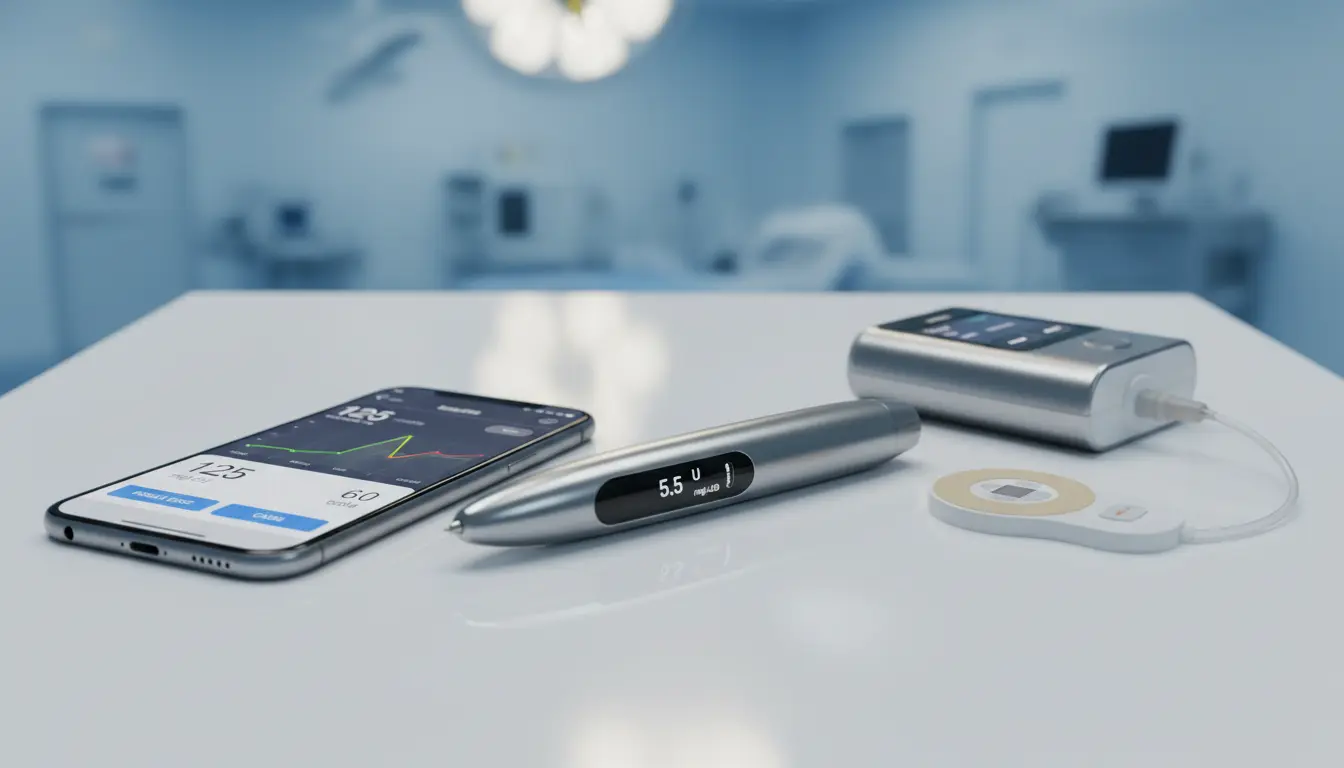

How Smart Insulin Pens and Pumps Are Redesigning Diabetes Care
Smart insulin pens and pumps are transforming the way people manage diabetes. Instead of relying only on traditional syringes, paper logs, and guesswork, today’s connected devices use sensors, algorithms, and smartphone apps to deliver more precise insulin doses and real‑time data. This shift is not just a technological upgrade; it is a complete redesign of diabetes care, making daily life safer, easier, and more flexible for millions of people.
In this article, we explore how smart insulin pens and insulin pumps work, their key benefits, potential challenges, and what the future may hold for digital, data‑driven diabetes management.
What Are Smart Insulin Pens?
Smart insulin pens are enhanced versions of traditional insulin pens equipped with digital features. They often include:
- Dose memory and tracking (time, amount, and type of insulin)
- Bluetooth connectivity to sync with mobile apps
- Dose calculators based on carb intake and blood glucose
- Reminders and alerts for missed or upcoming doses
Unlike standard pens, smart insulin pens record every injection and integrate that data into a digital log. When connected to a smartphone app, users can see trends, share data with their healthcare team, and reduce the risk of incorrect dosing.
How Smart Insulin Pens Improve Daily Management
Smart pens significantly simplify multiple daily injection (MDI) therapy:
- Accurate dose tracking
Users no longer need to remember their last dose or rely on manual notes. The device stores exact information about previous injections, which helps prevent insulin stacking and missed doses. - Smarter dosing decisions
Many smart pens integrate with continuous glucose monitors (CGMs) or blood glucose meters. By combining glucose readings, insulin history, and planned meals, the app can recommend more personalized doses. - User‑friendly apps and analytics
Companion apps display clear charts of blood sugar trends and insulin use. This insight helps patients understand how different foods, activities, and doses affect their glucose levels, empowering them to adjust their lifestyle and treatment. - Better communication with healthcare providers
Digital reports can be shared remotely, allowing endocrinologists and diabetes educators to fine‑tune therapy without relying on incomplete memories or handwritten logs.
What Are Insulin Pumps and Patch Pumps?
Insulin pumps are small electronic devices that deliver insulin continuously through a thin tube (cannula) placed under the skin. Patch pumps work similarly but are tubeless and adhere directly to the skin.
Insulin pumps typically provide two types of insulin delivery:
- Basal insulin: A steady, background rate throughout the day and night
- Bolus insulin: Larger doses taken at meals or to correct high blood sugar
Modern smart pumps often connect to CGMs and smartphone apps, forming part of what is known as a closed‑loop or hybrid closed‑loop system—sometimes called an “artificial pancreas.”
Advantages of Smart Insulin Pumps
- More physiologic insulin delivery
Instead of large injections a few times a day, pumps deliver tiny doses around the clock, more closely mimicking the way a healthy pancreas works. - Flexible lifestyles
Pump users can easily adjust basal rates for exercise, travel, shift work, or illness. This flexibility often leads to fewer highs and lows and better quality of life. - Integration with CGM systems
When linked with a CGM, some pumps can automatically adjust basal insulin or even suspend insulin delivery when low glucose is predicted, reducing the risk of severe hypoglycemia. - Detailed data for optimization
Pump software records every basal change and bolus dose. Together with CGM data, this allows for highly tailored adjustments that can improve time‑in‑range and overall glycemic control.
Smart Insulin Pens vs. Pumps: Which Is Better?
There is no single “best” device for everyone; the choice between smart insulin pens and insulin pumps depends on medical needs, lifestyle, and personal preferences.
Situations Where Smart Pens May Be Ideal
- Individuals who prefer fewer devices attached to their body
- Patients using multiple daily injections who want better tracking and decision support
- People looking for a more affordable, less complex upgrade from standard pens
- Those who value simplicity and portability with minimal setup
Smart pens can be an excellent step toward connected diabetes care without the learning curve of pump therapy.
Situations Where Pumps May Be Preferable
- People with Type 1 diabetes aiming for tight glucose control
- Frequent hypoglycemia or large glucose swings despite careful MDI
- Patients who want automation, such as auto‑adjusting basal rates
- Users comfortable wearing devices on their body most of the time
Insulin pumps are often recommended for those who need highly customized insulin delivery or who benefit from hybrid closed‑loop systems for better time‑in‑range.
How Connected Devices Are Redesigning Diabetes Care
The biggest transformation brought by smart insulin pens and pumps is the shift from reactive to proactive, data‑driven diabetes management.
1. Continuous Data and Personalized Insights
Traditional care relied on occasional finger‑stick readings and quarterly HbA1c results. Connected devices deliver:
- Real‑time glucose trends from CGMs
- Precise insulin dosing history
- Automatic carb and activity logs (when integrated with apps or wearables)
This stream of data allows individuals and clinicians to personalize insulin therapy, fine‑tune basal rates, and identify patterns like dawn phenomenon or post‑meal spikes.
2. Better Adherence and Fewer Errors
Missed or miscalculated doses are a leading cause of poor control. Smart systems actively help:
- Reminding users to take insulin on time
- Calculating doses with built‑in safety checks
- Warning against taking another dose too soon
These features can reduce both hyperglycemia from missed doses and hypoglycemia from overcorrection.
3. Remote Monitoring and Telemedicine
Data from smart insulin pens, pumps, and CGMs can be shared securely with healthcare professionals. This makes telemedicine more effective by providing:
- Objective logs instead of estimated self‑reports
- Faster therapy adjustments between clinic visits
- Support for patients in remote or underserved areas
As a result, diabetes care becomes more continuous and collaborative.
Challenges and Considerations
Despite their benefits, smart insulin pens and pumps are not without challenges.
Cost and Access
These devices can be expensive and may not be fully covered by insurance in every country. Out‑of‑pocket costs, subscription fees for apps, or sensor supplies can create barriers, especially for people with limited resources.
Learning Curve and Device Fatigue
Using new digital tools requires training and time. Some patients may feel overwhelmed by:
- Interpreting large amounts of data
- Managing multiple apps and alerts
- Wearing devices 24/7
Healthcare teams must provide education and ongoing support to help users adapt without burnout.
Data Privacy and Security
As diabetes devices connect to the cloud, concerns arise about how health data is stored, shared, and protected. Secure platforms and transparent privacy policies are essential for building trust in connected care.
The Future of Smart Diabetes Technology
The next generation of smart insulin pens and pumps will likely become even more intuitive and automated.
Anticipated developments include:
- More advanced algorithms that further mimic healthy pancreatic function
- Tighter integration between insulin delivery devices, CGMs, nutrition apps, and fitness trackers
- AI‑driven coaching that offers real‑time, personalized advice based on a patient’s unique patterns
- Smaller, more discreet hardware with longer‑lasting batteries and fewer manual steps
These innovations aim to make diabetes management less intrusive and more integrated into everyday life, improving both clinical outcomes and emotional well‑being.
Practical Tips for Choosing a Smart Pen or Pump
If you are considering upgrading your diabetes technology, discuss these points with your healthcare provider:
- Your current control: Frequency of highs and lows, HbA1c level, and time‑in‑range
- Lifestyle: Work schedule, physical activity, travel frequency, and comfort with devices
- Budget and coverage: Insurance benefits, long‑term costs, and available assistance programs
- Tech preferences: Comfort level with apps, Bluetooth devices, and software updates
A collaborative decision that fits your daily life and goals is more sustainable than simply choosing the most advanced or popular device.