
Home Complete Blood Analysis Device — Results in Minutes
In recent years, healthcare technology has undergone a major transformation, shifting many diagnostic processes from hospitals and laboratories into the comfort of our homes. One of the most remarkable innovations driving this change is the home complete blood analysis device. Designed to deliver fast, reliable, and clinically relevant results within minutes, these devices are redefining how individuals monitor their health, manage chronic conditions, and make informed lifestyle decisions.
This article provides an in-depth, SEO-optimized, and original overview of home complete blood analysis devices, how they work, their benefits, limitations, and their growing role in preventive and personalized healthcare.
What Is a Home Complete Blood Analysis Device?
A home complete blood analysis device is a compact medical diagnostic tool that allows users to perform blood tests outside of a clinical setting. Using a small blood sample—usually obtained via a finger prick—the device analyzes multiple blood parameters and delivers results digitally within minutes.
Unlike traditional laboratory testing, which often requires appointments, venous blood draws, and long waiting periods, home blood analyzers prioritize speed, convenience, and user autonomy. These devices are increasingly used by health-conscious individuals, elderly patients, athletes, and people managing long-term medical conditions.
How Does It Work?
Most home blood analysis devices rely on advanced biosensor technology, microfluidics, and optical or electrochemical detection systems. Once a blood sample is applied to a disposable test strip or cartridge, the device processes the sample and measures various biomarkers.
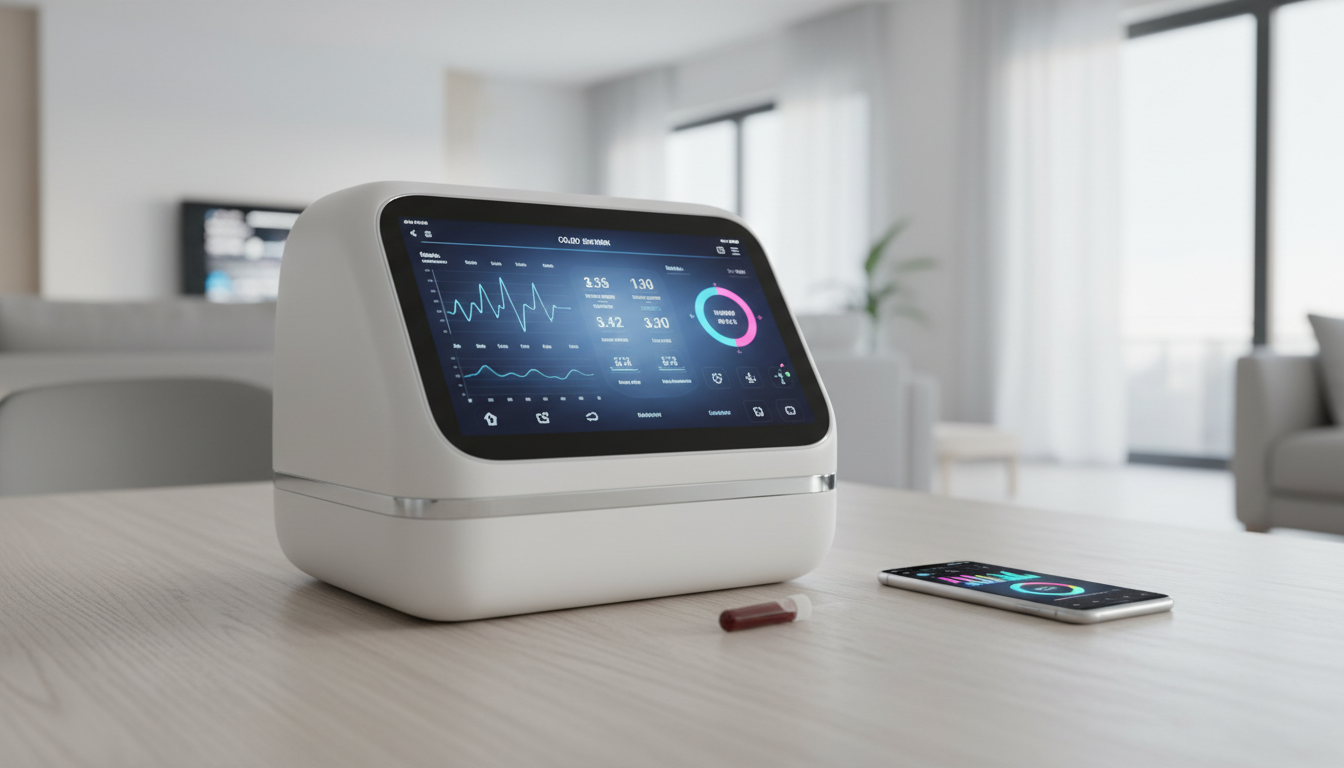
The results are displayed directly on the device screen or transmitted to a connected mobile app via Bluetooth or Wi-Fi. Some systems also store historical data, allowing users to track trends over time and share reports with healthcare professionals when needed.
Key Parameters Measured
Depending on the model and certification level, a home complete blood analysis device may measure:
- Hemoglobin levels
- White blood cell count
- Red blood cell count
- Platelet levels
- Glucose and lipid markers
- Inflammatory indicators
While not all devices offer the full scope of a laboratory-grade complete blood count (CBC), many provide sufficient accuracy for routine monitoring and early detection of potential health issues.
Benefits of Home Blood Analysis Devices
1. Rapid Results in Minutes
One of the most significant advantages is speed. Instead of waiting hours or days for lab results, users receive actionable data in just a few minutes. This is especially valuable for people who need frequent monitoring.
2. Convenience and Accessibility
Home testing eliminates the need for travel, appointments, and waiting rooms. This is particularly beneficial for individuals with mobility challenges, those living in remote areas, or people with busy schedules.
3. Empowered Health Management
By having direct access to blood data, users become active participants in their healthcare. Regular monitoring can encourage healthier habits and prompt early medical consultations when abnormal values appear.
4. Reduced Healthcare Costs
Frequent lab tests can be expensive over time. Home blood analysis devices may significantly reduce costs, especially for chronic disease management or preventive screening.
5. Privacy and Comfort
For many users, testing at home feels less stressful and more private than clinical environments, leading to better compliance with regular monitoring routines.
Accuracy and Reliability
Modern home complete blood analysis devices are designed to meet strict regulatory standards. Many are validated against laboratory reference methods and approved by health authorities. While they may not fully replace professional lab diagnostics in complex cases, they are highly reliable for trend monitoring and routine checks.
It is important to follow manufacturer instructions carefully and use certified consumables to ensure optimal accuracy. Periodic comparison with laboratory results can also help users maintain confidence in the data.
Who Can Benefit Most?
Home blood analysis devices are suitable for a wide range of users, including:
- Individuals managing diabetes, anemia, or cardiovascular risks
- Elderly users requiring frequent blood monitoring
- Athletes tracking recovery and performance indicators
- Health-conscious individuals focused on preventive care
- Caregivers monitoring the health of family members
These devices are not intended to replace medical professionals but to complement clinical care through continuous and accessible data.
Integration with Digital Health Ecosystems
Many modern devices integrate seamlessly with digital health platforms. Mobile applications provide visual dashboards, alerts for abnormal values, and long-term trend analysis. Some systems even support cloud-based data sharing, enabling remote consultations and telemedicine services.
This integration aligns perfectly with the growing demand for personalized and connected healthcare solutions.
Limitations to Consider
Despite their advantages, home complete blood analysis devices have limitations. Not all biomarkers can be measured accurately outside of a laboratory environment, and results should always be interpreted in context. Users should consult healthcare professionals before making medical decisions based solely on home test results.
Additionally, proper training and adherence to hygiene standards are essential to avoid sampling errors.
The Future of Home Blood Testing
As technology continues to evolve, home blood analysis devices are expected to become even more accurate, affordable, and comprehensive. Advances in artificial intelligence and sensor miniaturization may soon allow near-laboratory-level diagnostics at home.
This shift represents a major step toward preventive healthcare, early diagnosis, and patient-centered medical systems.
Conclusion
The home complete blood analysis device is more than just a convenience—it is a powerful tool for proactive health management. By delivering fast results within minutes, these devices empower users to understand their bodies better, detect potential issues early, and collaborate more effectively with healthcare professionals.
As adoption grows and technology advances, home blood analysis will play an increasingly important role in modern healthcare, bridging the gap between daily life and clinical insight.