
Noise Mapping Sensors and Urban Health: How Smart Cities Measure, Understand, and Reduce Sound Pollution
Urbanization has transformed cities into centers of opportunity, innovation, and culture. However, alongside economic growth and population density comes an often-overlooked environmental challenge: noise pollution. From traffic congestion and construction activity to nightlife and industrial zones, excessive noise has become a defining feature of modern cities. In response, noise mapping sensors have emerged as a critical tool for protecting urban health and improving quality of life.
This article explores how noise mapping sensors work, why they matter for city health, and how municipalities can use data-driven insights to create quieter, healthier, and more sustainable urban environments.
Understanding Noise Pollution as a Public Health Issue
Noise pollution is not merely an annoyance; it is a serious public health concern. The World Health Organization has repeatedly highlighted environmental noise as a major risk factor for cardiovascular disease, sleep disorders, cognitive impairment, and mental health issues. Long-term exposure to high noise levels has been linked to increased stress hormones, hypertension, reduced productivity, and lower overall well-being.
In dense urban areas, residents are often exposed to noise levels that exceed recommended thresholds. Traditional approaches—such as complaint-based systems or occasional manual measurements—fail to capture the full scope of the problem. This is where noise mapping sensors play a transformative role.
What Are Noise Mapping Sensors?
Noise mapping sensors are digital devices designed to continuously measure sound levels across different locations in a city. Unlike handheld sound meters used for short-term assessments, these sensors operate 24/7, collecting real-time data on decibel levels, frequency, duration, and temporal patterns of noise.
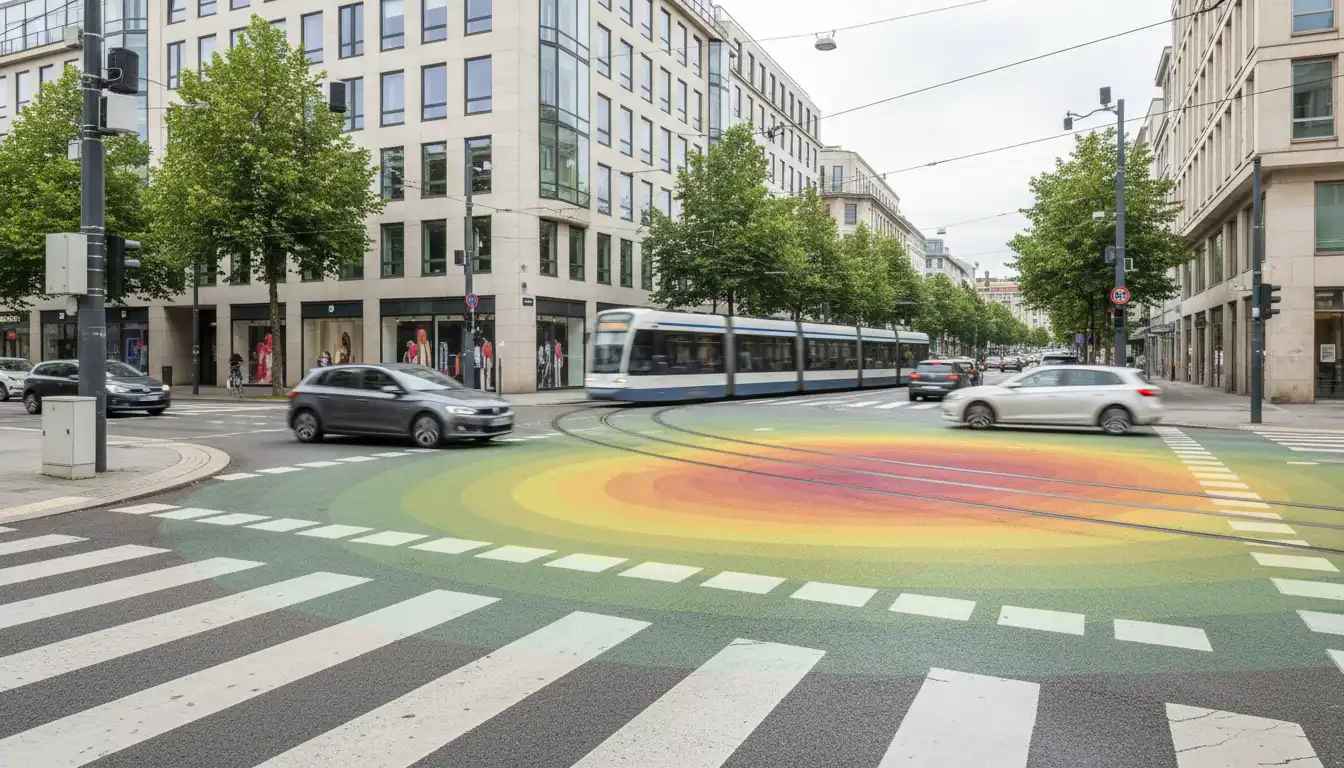
When deployed across an urban area, these sensors create dynamic noise maps that visualize how sound fluctuates by location and time of day. Advanced systems integrate with cloud platforms, Internet of Things (IoT) networks, and geographic information systems (GIS) to provide actionable insights for city planners and public health officials.
How Noise Mapping Sensors Work
At their core, noise mapping sensors use microphones calibrated to measure environmental sound accurately. The data collected is processed locally or transmitted wirelessly to a central platform. Modern systems often include:
- Edge computing to preprocess data and reduce bandwidth usage
- AI algorithms to distinguish between noise sources (traffic, construction, human activity)
- Spatial analytics to correlate sound levels with urban infrastructure
- Temporal analysis to identify peak noise periods
Privacy is a key consideration. Most urban noise sensors are designed to measure sound intensity rather than record intelligible audio, ensuring compliance with data protection regulations and public trust.
The Role of Noise Mapping in Urban Health
Noise mapping sensors directly support urban health initiatives by providing evidence-based insights. Instead of relying on assumptions, cities can quantify exposure levels and identify high-risk zones. This enables targeted interventions, such as:
- Redesigning traffic flows in noise hotspots
- Implementing quiet zones near hospitals and schools
- Regulating construction schedules
- Improving building insulation standards
By reducing chronic noise exposure, cities can lower stress-related illnesses, improve sleep quality, and enhance overall mental health among residents.
Supporting Smart City Strategies
Noise mapping sensors are a foundational component of smart city ecosystems. When integrated with air quality sensors, traffic monitoring systems, and weather data, they offer a holistic view of environmental health.
For example, correlating noise data with traffic density allows cities to optimize mobility planning. Integrating noise maps with public health data can reveal correlations between sound exposure and hospital admissions. These insights empower policymakers to make informed, proactive decisions rather than reactive fixes.
Data-Driven Urban Planning and Policy Making
One of the most powerful benefits of noise mapping sensors is their ability to influence long-term urban planning. Historical noise data can inform zoning regulations, infrastructure investments, and land-use planning.
Cities can use noise maps to evaluate the impact of new highways, transit lines, or entertainment districts before construction begins. Post-implementation monitoring ensures accountability and helps refine policies over time. This feedback loop creates a culture of continuous improvement grounded in measurable outcomes.
Community Engagement and Transparency
Public access to noise maps fosters transparency and civic engagement. When residents can visualize noise levels in their neighborhoods, they gain a better understanding of environmental challenges and the rationale behind policy decisions.
Some cities have launched open data portals where citizens can explore real-time noise maps, report disturbances, and track improvements. This participatory approach strengthens trust between local governments and communities while encouraging shared responsibility for urban well-being.
Challenges in Noise Mapping Implementation
Despite their benefits, noise mapping sensors are not without challenges. Initial deployment costs, sensor maintenance, and data management require careful planning. Cities must also address issues such as sensor placement, calibration accuracy, and long-term scalability.
Another challenge lies in translating data into action. Noise maps alone do not reduce pollution; they must be paired with enforceable regulations, urban design changes, and public awareness campaigns. Successful implementations typically involve collaboration between urban planners, public health experts, technologists, and policymakers.
The Future of Noise Mapping and Urban Health
As technology advances, noise mapping sensors are becoming more affordable, accurate, and intelligent. Future systems will likely leverage machine learning to predict noise trends and simulate the impact of proposed interventions. Integration with wearable health data and smart building systems could further personalize urban health strategies.
In the long term, noise mapping will move beyond mitigation toward prevention. Cities that embed acoustic considerations into every stage of planning—transport, housing, public spaces—will create healthier environments by design rather than by correction.
Why Noise Mapping Matters More Than Ever
With urban populations continuing to grow, the cumulative impact of noise pollution will only increase if left unaddressed. Noise mapping sensors provide cities with the visibility they need to act decisively. By turning invisible sound into actionable data, these technologies bridge the gap between environmental monitoring and human health.
Ultimately, quieter cities are not just more pleasant—they are healthier, more productive, and more equitable. Noise mapping sensors are a vital step toward that future.