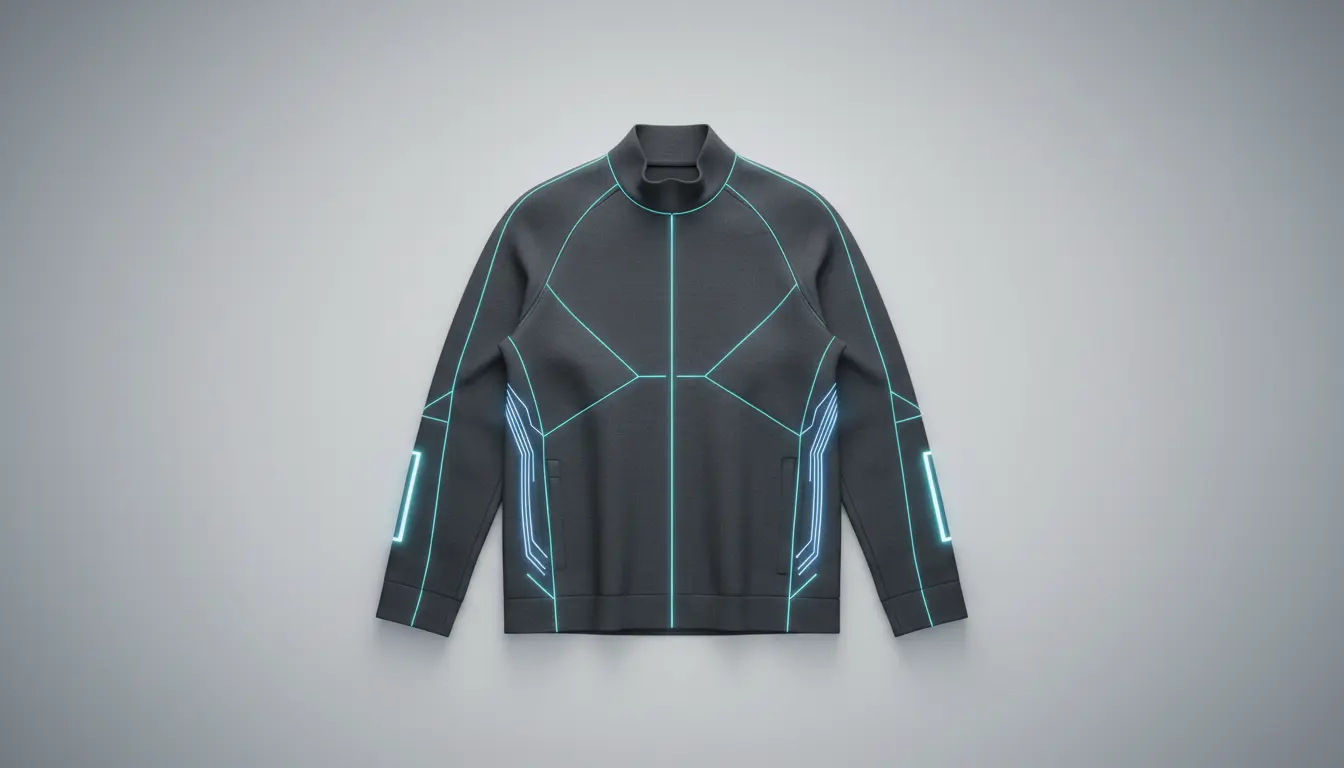

Smart Textile Fiber Optics: The Next Generation of Wearable Displays
Smart textile fiber optics are transforming everyday clothing into interactive, information‑rich surfaces. Instead of acting only as protection, fabrics now display data, react to the environment, and communicate with digital devices. This new era of wearable display technology makes garments more functional, expressive, and connected than ever before.
By integrating flexible optical fibers into textiles, engineers and designers create clothes that light up, change color, and show visual signals in real time. These intelligent fabrics keep the softness and comfort of traditional garments, while unlocking powerful new capabilities for fashion, safety, sports, and healthcare.
How Smart Textile Fiber Optics Work in Wearable Displays
Smart textile fiber optics use thin, flexible optical fibers or light‑conducting yarns woven, knitted, or embroidered into fabric. These fibers carry light from LEDs or other light sources and distribute it evenly across the garment. As a result, the entire fabric can function as a wearable display.
Designers place microcontrollers and low‑power driver circuits in small, discreet modules. These electronics control the color, brightness, and pattern of the light. Users then activate or customize the display through simple buttons, touch zones on the fabric, or a smartphone app.
Because the fibers remain soft and bendable, the garment drapes naturally around the body. The display becomes part of the clothing instead of a rigid attached screen. This integration makes smart textile fiber optics ideal for daily wear.
Comfort, Flexibility, and Durability in E‑Textile Displays
Smart textile fiber optics must balance optical performance with wearer comfort. Developers choose polymer optical fibers that bend easily without breaking and guide light efficiently. They often use side‑emitting fibers to spread light along the entire length of the yarn, creating uniform illumination.
To increase durability, manufacturers add protective coatings that resist moisture, sweat, friction, and washing. They design structures that allow the fabric to stretch and recover without damaging the fibers. This approach keeps the wearable display bright and reliable after repeated use and laundering.
Engineers also focus on low‑power electronics. Efficient LEDs and driver circuits reduce heat and extend battery life, making smart garments safe and practical for long‑term wear.
Wearable Displays for Safety and Visibility
One of the most powerful applications of smart textile fiber optics is safety. High‑visibility workwear, emergency response uniforms, and nighttime sportswear benefit strongly from integrated illumination.
A cyclist’s jacket can display bright, moving patterns that increase visibility in traffic. Construction workers can wear vests that flash or change color to signal active zones, hazards, or machine status. Firefighters’ or paramedics’ uniforms can show role‑based signals, team identification, or directional cues when visibility is low.
These fiber‑optic wearable displays deliver clear, hands‑free information. The signals appear directly on the body, so workers and bystanders see them instantly without separate signs, lamps, or handheld devices.
Smart Textile Fiber Optics in Sports and Fitness
Athletes and fitness enthusiasts increasingly adopt smart textile fiber optics for performance tracking and motivation. Sportswear with integrated optical fibers can connect to heart rate monitors, motion sensors, or GPS trackers. The garment then transforms raw data into intuitive visuals on the fabric.
For example, a running shirt can shift from blue to red as heart rate climbs into higher zones. Compression leggings can highlight the leg muscles that activate during specific exercises. Coaches and athletes read these cues at a glance and adjust training intensity or technique in real time.
Because the technology sits inside comfortable sportswear, athletes stay focused on movement rather than on external devices or screens.
Medical and Healthcare Applications of Fiber‑Optic Textiles
In healthcare, smart textile fiber optics support monitoring, treatment, and patient engagement. Hospitals can use gowns or wraps with embedded fibers to display vital sign zones, treatment stages, or reminders. Patients see simple color codes or patterns instead of complex numbers.
Smart bandages and compression garments can visualize pressure distribution, circulation quality, or wound‑healing phases. When a bandage changes color pattern, caregivers know it needs attention or replacement. This visible feedback helps prevent complications and improves care quality.
Rehabilitation garments with wearable displays can guide patients through exercises. When the patient performs the movement correctly, sections of the fabric light up as positive reinforcement. This interactive design increases motivation and helps maintain correct form.
Fashion, Entertainment, and Expressive Wearable Displays
Designers use smart textile fiber optics to create dynamic fashion experiences. Dresses, jackets, and accessories can glow, pulse, or shift color in response to music, movement, or environmental data. On stage, performers wear costumes that react in real time to choreography or sound, turning the body into a living light show.
Everyday fashion also benefits from this technology. Consumers can personalize garments with programmable light patterns, brand logos, or mood‑based animations. A single jacket may support multiple visual styles, letting users switch from subtle daily wear to bold nightlife looks with one tap.
These expressive wearable displays strengthen personal identity and brand storytelling while preserving comfort and style.
Power, Connectivity, and the Internet of Things
To support all these functions, smart textile fiber optics require reliable power and connectivity. Designers usually place thin rechargeable batteries or detachable power packs in pockets, hems, or waistbands. As energy‑harvesting materials improve, garments may capture power from sunlight or body movement to reduce charging needs.
Connectivity plays a central role in the value of wearable displays. Garments often connect to smartphones via Bluetooth or Wi‑Fi. They can send sensor data to health apps, training platforms, or cloud dashboards, and receive display instructions in return.
In smart cities and connected workplaces, fiber‑optic clothing can sync with vehicles, building systems, or traffic infrastructure. A worker’s vest may automatically switch to warning mode near moving machinery. A pedestrian jacket may adjust visibility patterns based on lighting conditions or traffic density.
Sustainability and Responsible Smart Textile Design
As intelligent fabrics evolve, sustainability becomes a key concern. Smart textile fiber optics require responsible design to avoid adding to electronic and textile waste.
Developers increasingly choose recyclable fibers and eco‑friendly polymers. They design garments so that electronic modules detach easily before washing, repair, or recycling. Modular construction allows users to upgrade electronics while keeping the fabric, extending product life.
Transparent information about durability, washability, and maintenance builds trust and encourages proper care. When manufacturers design for longevity and recovery, smart wearable displays can support sustainability goals instead of working against them.
Future Outlook: Everyday Adoption of Fiber‑Optic Wearable Displays
The future of smart textile fiber optics looks promising as production methods become more scalable and cost‑effective. As prices fall and standards improve, these wearable displays will move from experimental prototypes into mainstream apparel.
We will likely see office wear that gently displays notifications, uniforms that adapt to operational states, and casual clothing that reacts to weather, mood, or social context. The most successful products will feel and look like normal garments until activated, merging technology and textile so seamlessly that users forget where one ends and the other begins.
In this future, smart textile fiber optics do more than decorate. They enhance safety, support health, improve communication, and expand creative expression—while remaining comfortable, attractive, and practical for everyday life.