
AI-Invented Molecules: Redesigning Drug Discovery for Global Health
Artificial intelligence has fundamentally transformed how scientists approach pharmaceutical development. The discovery of new molecules through AI represents one of the most significant breakthroughs in modern medicine. Rather than relying solely on traditional laboratory methods, researchers now harness machine learning algorithms to identify promising drug candidates in a fraction of the time. This revolutionary approach accelerates the path from concept to clinical application, offering hope to millions of patients worldwide seeking effective treatments for previously intractable diseases.
The Evolution of Drug Discovery Through Artificial Intelligence
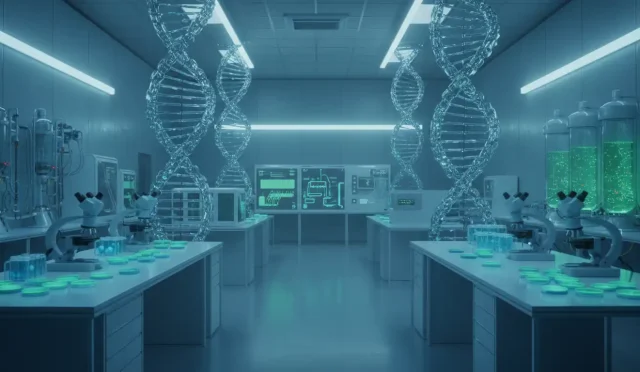
Traditional drug discovery processes consume years of research and billions of dollars before a single medication reaches patients. Scientists manually screen thousands of compounds, testing each one through rigorous laboratory protocols. AI-powered drug discovery eliminates these bottlenecks by analyzing vast chemical databases simultaneously. Machine learning models recognize patterns that human researchers might overlook, predicting molecular behavior with remarkable accuracy. This technological shift represents a paradigm change in how the pharmaceutical industry operates, making drug development faster, cheaper, and more efficient than ever before.
How Machine Learning Identifies Novel Molecular Structures
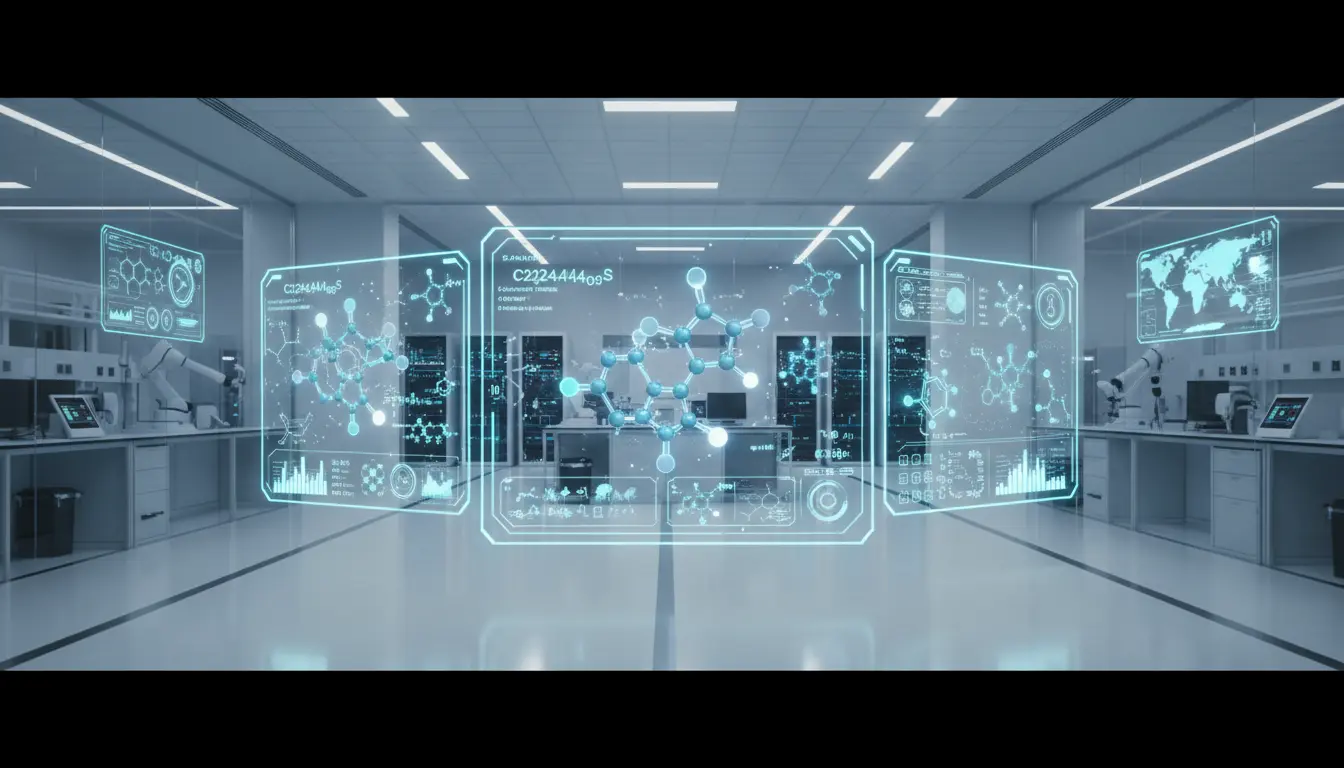
Artificial intelligence systems process enormous amounts of chemical and biological data to generate new molecular designs. Deep learning algorithms learn from existing drug compounds, understanding which structural features produce desired therapeutic effects. These systems can generate thousands of potential molecules within hours, a task that would require years of manual synthesis and testing. The AI evaluates each candidate based on efficacy, safety, and manufacturability, ranking them by likelihood of success. This computational approach dramatically reduces the number of physical experiments required, saving both time and resources while improving success rates.
Accelerating Treatment Development for Global Health Challenges
AI-invented molecules address pressing global health needs that traditional methods struggle to solve. Researchers deploy machine learning to develop treatments for rare diseases, cancer variants, and infectious pathogens that affect vulnerable populations. The speed of AI-driven discovery proves particularly valuable during health emergencies, enabling rapid response to emerging threats. Pharmaceutical companies now collaborate with AI research teams to create drug candidates for conditions previously considered economically unfeasible to treat. This democratization of drug development brings hope to patients in developing nations who lack access to expensive traditional treatments.
Real-World Applications and Success Stories
Several groundbreaking examples demonstrate AI’s transformative potential in molecular discovery. Researchers have used machine learning to identify compounds effective against antibiotic-resistant bacteria, addressing a critical public health threat. AI systems have discovered novel molecules for Alzheimer’s disease, offering new hope for neurodegenerative conditions. Companies have successfully brought AI-discovered drugs through early clinical trials, validating the technology’s practical effectiveness. These successes prove that artificial intelligence doesn’t replace human expertise but rather amplifies it, enabling scientists to achieve breakthroughs previously thought impossible.
Overcoming Technical Challenges in AI-Driven Molecular Design
Implementing AI for drug discovery requires solving complex technical problems. Machine learning models must accurately predict how molecules behave in biological systems, accounting for countless variables and interactions. Scientists develop sophisticated algorithms that simulate molecular behavior, reducing reliance on expensive laboratory testing. Data quality remains crucial—AI systems require comprehensive, accurate training data to generate reliable predictions. Researchers continuously refine these models, incorporating new biological insights and experimental results to improve accuracy. The iterative process of validation and improvement ensures that AI-generated molecules meet rigorous safety and efficacy standards.
Cost Reduction and Economic Impact on Healthcare
AI-powered drug discovery dramatically reduces development expenses, making treatments more affordable for global populations. Traditional pharmaceutical development costs exceed two billion dollars per drug, with timelines spanning ten to fifteen years. Machine learning accelerates this process, potentially reducing costs by fifty percent or more while cutting development time in half. Lower production costs translate to more accessible medications for patients in low-income countries. This economic transformation enables pharmaceutical companies to invest in treatments for neglected tropical diseases and rare conditions that previously lacked commercial viability. The financial benefits extend beyond individual companies, improving overall healthcare economics and patient outcomes worldwide.
Ethical Considerations and Responsible AI Implementation
As artificial intelligence plays an increasingly central role in drug discovery, ethical frameworks become essential. Researchers must ensure that AI systems don’t perpetuate biases present in training data, which could lead to treatments that work better for certain populations. Transparency in algorithm development allows regulatory bodies to evaluate AI-generated drugs with confidence. Scientists emphasize that human oversight remains critical throughout the discovery process, with experienced researchers validating AI recommendations before proceeding to clinical trials. Responsible implementation of AI technology requires collaboration between technologists, ethicists, and healthcare professionals to ensure equitable access to AI-discovered treatments globally.
Future Prospects and Emerging Technologies
The future of drug discovery belongs to hybrid systems combining artificial intelligence with human creativity and intuition. Next-generation AI models will incorporate real-time biological feedback, learning continuously from experimental results. Quantum computing promises to revolutionize molecular simulation, enabling even more accurate predictions of drug behavior. Researchers anticipate that AI will eventually design personalized medicines tailored to individual genetic profiles, transforming treatment approaches. Integration of AI with biotechnology platforms will enable rapid synthesis and testing of AI-generated molecules, creating closed-loop discovery systems. These emerging technologies suggest that AI-invented molecules will become the standard approach for pharmaceutical development within the next decade.
Regulatory Pathways for AI-Discovered Pharmaceuticals
Regulatory agencies worldwide are developing frameworks to evaluate drugs discovered through artificial intelligence. The FDA and EMA have begun establishing guidelines for AI-generated drug candidates, ensuring they meet the same rigorous safety standards as traditionally discovered medications. Regulatory approval processes must account for the unique characteristics of AI-designed molecules, including novel structures that lack historical precedent. Transparency requirements ensure that regulatory bodies understand how AI systems generated specific drug candidates. These evolving regulatory pathways balance innovation with patient safety, enabling rapid approval of promising AI-discovered treatments while maintaining rigorous quality standards.
Collaborative Ecosystems Driving Innovation
Successful AI-driven drug discovery requires collaboration between pharmaceutical companies, academic institutions, and technology firms. Universities contribute fundamental research and computational expertise, while companies provide resources and clinical development capabilities. Technology partners develop specialized AI platforms and algorithms tailored to pharmaceutical applications. Open-source initiatives share knowledge and tools, accelerating progress across the entire industry. These collaborative networks democratize access to AI drug discovery technology, enabling smaller companies and research institutions to participate in molecular innovation. The ecosystem approach multiplies innovation capacity, bringing more AI-discovered treatments to patients faster than any single organization could achieve alone.
Conclusion
Artificial intelligence fundamentally reshapes pharmaceutical development, enabling the discovery of molecules that address global health challenges more efficiently than traditional methods. Machine learning algorithms identify promising drug candidates by analyzing vast chemical databases, dramatically reducing development time and costs. Real-world successes demonstrate that AI-invented molecules can reach clinical trials and potentially transform patient outcomes. As regulatory frameworks mature and collaborative ecosystems expand, AI-driven drug discovery will become the standard approach in pharmaceutical research. The convergence of artificial intelligence and medicine promises a future where effective treatments for previously incurable diseases become accessible to patients worldwide, regardless of economic status or geographic location.