
Introduction to Health-Tracking Wearables
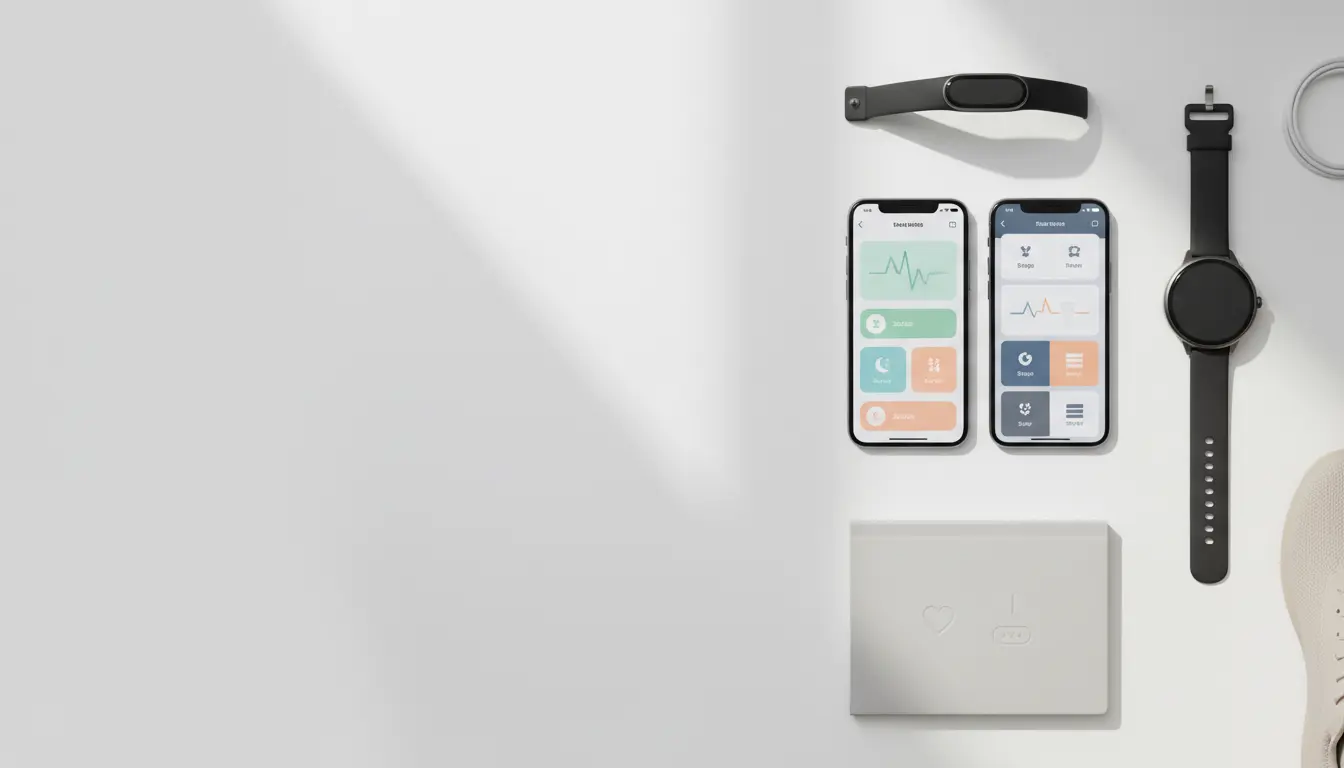
Modern wearable technology has revolutionized how individuals monitor their personal health metrics. Smartwatches, fitness trackers, and health bands now seamlessly integrate with Apple Health and Google Fit, creating an ecosystem where users can track their wellness journey effortlessly. These devices capture real-time data about heart rate, sleep patterns, physical activity, and stress levels, transforming raw information into actionable health insights. The integration between wearable devices and major health platforms enables users to consolidate all their fitness data in one centralized location, eliminating the need to juggle multiple applications.
Understanding Apple Health Integration
Apple Health serves as the central hub for health and fitness data on iOS devices. When wearable devices integrate with Apple Health, they automatically sync vital information including daily step counts, calorie expenditure, workout duration, and heart rate variability. This integration creates a comprehensive health profile that healthcare providers can access with user permission. The HealthKit framework allows third-party developers to build applications that communicate directly with Apple’s health database. Users benefit from having their complete medical history, medication records, and emergency contacts stored securely within the Apple Health ecosystem. The seamless synchronization ensures that data remains current across all connected devices, providing real-time health monitoring capabilities.
Google Fit: The Android Health Platform
Google Fit operates as Android’s equivalent to Apple Health, offering comprehensive fitness tracking and health data management. This platform collects information from various wearable devices, smartphones, and fitness applications, creating a unified health profile. Google Fit’s API enables developers to integrate their wearable devices with the platform, ensuring compatibility across the Android ecosystem. The platform emphasizes heart points and step count as primary fitness metrics, aligning with WHO recommendations for daily physical activity. Users can set personalized fitness goals and receive real-time feedback on their progress. The integration with Google Fit allows wearable devices to push notifications, reminders, and achievement badges directly to users’ smartphones, enhancing engagement and motivation.

Popular Wearable Devices Supporting Both Platforms
Several leading wearable manufacturers have developed devices that work seamlessly with both Apple Health and Google Fit. Fitbit devices, now owned by Google, offer comprehensive health tracking features including sleep monitoring, stress management, and menstrual health tracking. Apple Watch remains the gold standard for iOS users, providing advanced health features like ECG monitoring and blood oxygen measurement. Garmin smartwatches deliver professional-grade fitness tracking with multi-sport capabilities and advanced training metrics. Samsung Galaxy Watch devices bridge the gap between Android and iOS ecosystems, offering compatibility with both platforms. Oura Ring provides sophisticated sleep and recovery analysis, integrating with both health platforms to deliver personalized wellness recommendations. These devices demonstrate how modern wearable technology can provide comprehensive health insights while maintaining compatibility with major health platforms.
Key Features of Integrated Wearable Devices
Modern wearable devices offer sophisticated health monitoring capabilities that extend far beyond simple step counting. Advanced heart rate monitoring provides continuous pulse tracking, detecting irregular rhythms and alerting users to potential cardiac concerns. Sleep tracking technology analyzes sleep stages, duration, and quality, offering recommendations for improved rest. Stress monitoring features measure cortisol levels and provide guided breathing exercises during high-stress periods. Blood oxygen saturation monitoring helps users understand their respiratory health and oxygen utilization efficiency. GPS tracking enables accurate distance measurement during outdoor activities, while barometric altimeters track elevation changes during hiking and climbing. Temperature sensors monitor body temperature variations, which proves valuable for detecting illness or tracking menstrual cycles. These integrated features create a holistic health monitoring system that provides users with comprehensive wellness insights.
Data Synchronization and Cloud Storage
The synchronization between wearable devices and health platforms relies on secure cloud infrastructure. When users enable data sharing, their information transfers automatically to Apple Health or Google Fit servers, where it remains encrypted and protected. This cloud-based approach ensures that users can access their health data from any device, anywhere in the world. The synchronization process occurs in real-time or at scheduled intervals, depending on user preferences and device settings. Users maintain complete control over their data, with granular privacy settings allowing them to choose which information syncs with which applications. The cloud storage infrastructure ensures data redundancy, preventing loss of important health information due to device damage or loss. Regular backups protect against data corruption, while encryption protocols safeguard sensitive health information from unauthorized access.
Privacy and Security Considerations
Health data represents some of the most sensitive personal information individuals possess. Wearable device manufacturers implement multiple security layers to protect user privacy, including end-to-end encryption for data transmission. Both Apple and Google comply with HIPAA regulations, ensuring that health information receives the same protection as medical records. Users can review which applications have access to their health data and revoke permissions at any time. Biometric authentication, including fingerprint and facial recognition, prevents unauthorized access to health information on wearable devices. Regular security audits and penetration testing identify vulnerabilities before they can be exploited. Transparent privacy policies clearly explain how health data is collected, stored, and used. Users should regularly review their privacy settings and understand the implications of sharing health data with third-party applications.
Health Insights and Personalized Recommendations
Integrated wearable devices leverage artificial intelligence and machine learning to provide personalized health recommendations. These algorithms analyze historical data patterns, identifying trends in activity levels, sleep quality, and stress management. The systems generate actionable insights, such as recommendations to increase daily movement or improve sleep hygiene. Personalized coaching features adapt to individual fitness levels and goals, providing progressive challenges that maintain motivation. Trend analysis helps users understand how lifestyle changes impact their overall health metrics. Comparative analytics show how current performance compares to previous weeks or months, highlighting progress and areas needing improvement. Integration with health platforms enables healthcare providers to access these insights, facilitating more informed medical consultations. The combination of wearable data and AI-driven analysis creates a powerful tool for preventive health management.
Fitness Tracking and Workout Monitoring
Wearable devices excel at capturing detailed workout information, from casual walks to intense training sessions. Automatic workout detection recognizes when users begin exercising, starting data collection without manual intervention. Multi-sport tracking accommodates various activities, from running and cycling to swimming and strength training. Real-time metrics display heart rate zones, pace, distance, and calorie burn during workouts. Post-workout analysis provides comprehensive summaries, including average heart rate, maximum effort, and recovery time. Training load metrics help users understand how workouts impact their overall fitness and recovery needs. Integration with health platforms allows users to view all workout data in one location, creating a complete picture of their fitness journey. Wearable devices motivate users by celebrating achievements and encouraging consistency through streak tracking and goal reminders.
Integration with Healthcare Providers
Modern wearable devices increasingly support integration with healthcare systems, enabling providers to monitor patient health remotely. Patients can share specific health metrics with their doctors, facilitating more informed medical decisions. Remote patient monitoring programs use wearable data to track chronic conditions, reducing hospital readmissions and improving outcomes. Healthcare providers receive alerts when wearable devices detect concerning health metrics, enabling rapid intervention. This integration supports preventive medicine by identifying health risks before they develop into serious conditions. Telemedicine platforms incorporate wearable data into virtual consultations, providing doctors with objective health information. The combination of wearable monitoring and professional medical expertise creates a comprehensive approach to health management. Patients benefit from more personalized treatment plans based on continuous health data rather than periodic office visits.
Choosing the Right Wearable Device
Selecting an appropriate wearable device requires considering several factors, including operating system compatibility, desired health metrics, and budget constraints. iOS users should prioritize devices with strong Apple Health integration, such as Apple Watch or compatible third-party options. Android users benefit from devices optimized for Google Fit, including Fitbit and Samsung Galaxy Watch. Consider which health metrics matter most—some devices excel at sleep tracking, while others prioritize fitness metrics. Battery life varies significantly between devices, from daily charging requirements to multi-week battery longevity. Design preferences matter, as users are more likely to wear devices they find aesthetically appealing. Price ranges span from budget-friendly options under $100 to premium devices exceeding $500. Reading user reviews and testing devices in-store helps ensure the selected wearable meets individual needs and preferences.
Future Trends in Wearable Health Technology
The wearable health technology landscape continues evolving rapidly, with emerging innovations promising enhanced capabilities. Non-invasive glucose monitoring will enable diabetics to track blood sugar without finger pricks. Advanced biometric sensors will measure additional health markers, including hydration levels and nutritional status. Artificial intelligence will become increasingly sophisticated, providing predictive health insights that anticipate health issues before symptoms appear. Flexible and stretchable electronics will enable wearables to integrate seamlessly into clothing and accessories. Longer battery life and faster charging will reduce the inconvenience of device maintenance. Improved interoperability between platforms will allow users to switch between ecosystems without losing historical data. Regulatory frameworks will evolve to ensure wearable devices meet medical-grade accuracy standards. The convergence of wearable technology, artificial intelligence, and healthcare will create unprecedented opportunities for personalized medicine and preventive health management.
Conclusion
Wearable devices integrated with Apple Health and Google Fit represent a transformative approach to personal health management. These devices empower users to take active roles in monitoring their wellness, providing objective data that supports informed health decisions. The seamless integration between wearables and major health platforms creates an ecosystem where health information flows effortlessly between devices and applications. As technology continues advancing, wearable devices will become increasingly sophisticated, offering deeper health insights and more personalized recommendations. Whether you’re a fitness enthusiast tracking athletic performance or someone managing chronic health conditions, integrated wearable devices provide valuable tools for achieving health goals. The future of healthcare increasingly depends on continuous monitoring and data-driven insights, making wearable technology an essential component of modern wellness strategies.
Recommended Product:
Fitbit Charge 6 Advanced Fitness Tracker – This advanced fitness tracker seamlessly integrates with both Google Fit and Apple Health, offering comprehensive health monitoring including heart rate tracking, sleep analysis, stress management, and workout detection. With its intuitive interface and long battery life, the Fitbit Charge 6 provides professional-grade health metrics while maintaining compatibility across both major health platforms, making it an excellent choice for users seeking unified health data management.