
Cameras with Built-In ND Filters: A Complete Guide for Professional and Creative Shooters
In the world of modern photography and videography, controlling light is one of the most critical skills. Cameras with built-in ND filters have become an essential tool for creators who demand flexibility, speed, and consistent image quality. These cameras simplify exposure control while enabling cinematic results even in challenging lighting conditions.
This article explores how internal ND filter cameras work, why they matter, and who should use them. Whether you are a professional filmmaker, content creator, or advanced photographer, understanding this technology can significantly improve your workflow.
What Is a Built-In ND Filter?
A built-in ND (Neutral Density) filter is an internal optical filter integrated directly into a camera body. Unlike external screw-on or matte box filters, internal ND filters reduce the amount of light entering the sensor without affecting color balance.
By lowering light intensity, these filters allow you to:
- Use wider apertures in bright environments
- Maintain natural motion blur
- Achieve cinematic shutter speeds
- Avoid overexposure without changing ISO
Because the filter sits inside the camera, it remains protected, precise, and instantly accessible.
How Internal ND Filter Cameras Work
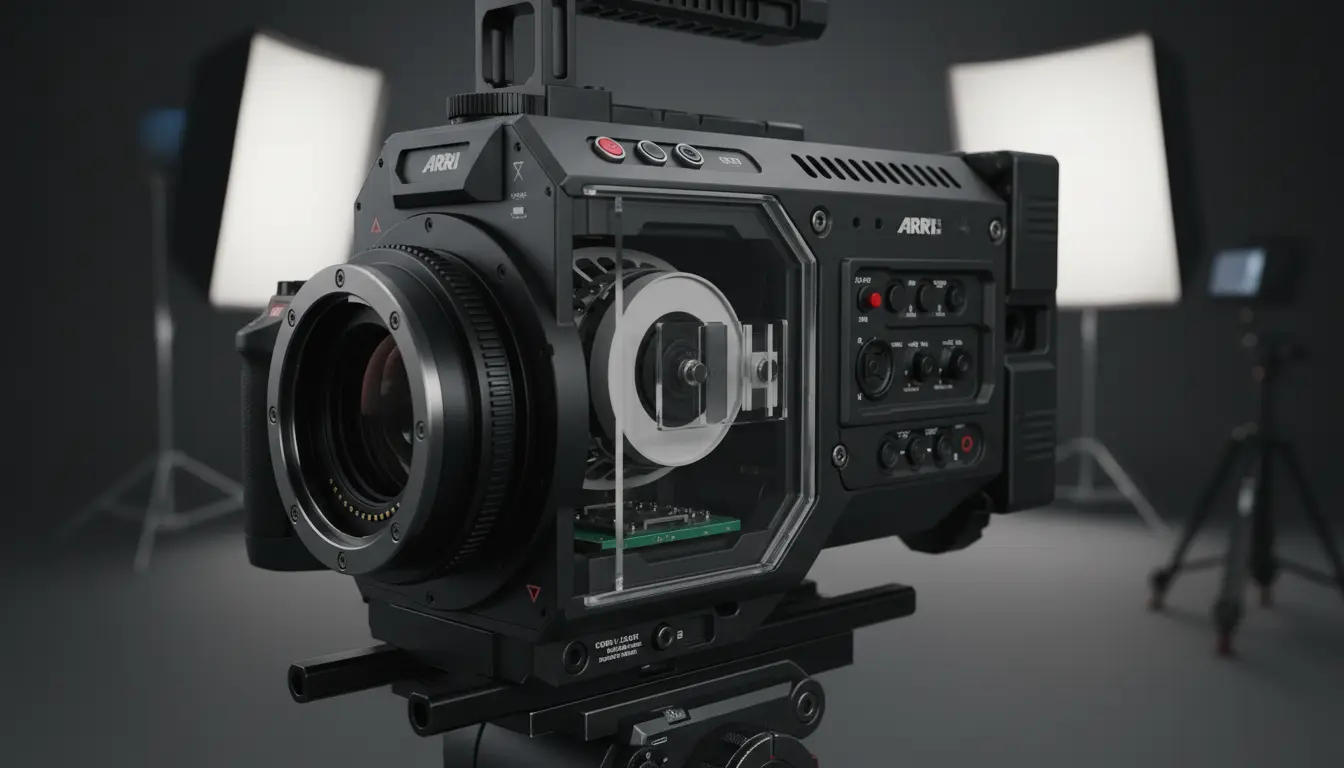
Cameras with internal ND filters use mechanical or electronic systems to place the filter between the lens mount and the sensor. Many professional models offer multiple ND levels, such as 2-stop, 4-stop, or 6-stop ND, while advanced cinema cameras provide continuous variable ND control.
This design allows shooters to adjust exposure seamlessly during recording. As lighting conditions change, the camera compensates instantly without interrupting the shot.
Key Advantages of Cameras with Built-In ND Filters
Faster Workflow and Efficiency
Built-in ND filters eliminate the need to carry, attach, or swap external filters. This advantage becomes especially valuable in run-and-gun shooting, documentary filmmaking, and live events where time matters.
Consistent Image Quality
Because internal ND systems are calibrated specifically for the camera sensor, they minimize color shifts and vignetting. You get cleaner images and predictable exposure across different ND strengths.
Professional Video Performance
For video creators, maintaining a 180-degree shutter rule is critical. Internal ND filters make it easy to keep a natural motion blur while shooting in daylight without raising shutter speed unnaturally.
Built-In ND Filters vs External ND Filters
External ND filters still have their place, but internal ND systems offer clear advantages for professionals.
External filters:
- Require manual handling
- Risk dust, fingerprints, and damage
- Can slow down shooting
Internal ND filters:
- Activate instantly
- Stay protected inside the camera
- Offer consistent optical performance
For creators who prioritize speed, reliability, and image consistency, internal ND filter cameras clearly stand out.
Who Should Use Cameras with Internal ND Filters?
Filmmakers and Cinematographers
Cinema cameras with built-in ND filters are industry-standard tools. They allow smooth exposure transitions during moving shots and outdoor filming without disrupting the creative flow.
Documentary and Event Videographers
When lighting conditions change rapidly, internal ND filters enable fast adaptation. You stay focused on storytelling instead of technical adjustments.
Hybrid Shooters
Photographers who also shoot video benefit greatly from internal ND filters. They allow shallow depth of field photography and professional-grade video without extra accessories.
ND Filter Strengths and Exposure Control
Most internal ND systems offer preset strengths, while some advanced models provide electronic variable ND filters. Common options include:
- ND 2 (1 stop)
- ND 4 (2 stops)
- ND 8 (3 stops)
- ND 16 (4 stops)
- ND 64 (6 stops)
Variable ND systems allow smooth transitions, making them ideal for cinematic video and dynamic lighting environments.
Image Quality and Color Accuracy
High-end internal ND filters are designed to preserve color accuracy and sharpness. Manufacturers engineer these systems to avoid infrared pollution and color casts, which are common issues with low-quality external filters.
As a result, cameras with built-in ND filters deliver:
- Neutral color reproduction
- Stable white balance
- Sharp and detailed images
The Role of Built-In ND Filters in Cinematic Video
Cinematic video relies heavily on shallow depth of field and natural motion blur. Internal ND filters allow filmmakers to shoot wide open at f/2.8 or lower, even under direct sunlight.
This capability creates:
- Smooth background separation
- Professional-looking bokeh
- Film-like motion characteristics
For serious video production, internal ND filters are not a luxury—they are a necessity.
Durability and Reliability
Because internal ND filters sit inside the camera body, they remain protected from environmental factors like dust, moisture, and scratches. This design increases durability and long-term reliability, especially for outdoor and travel shooters.
Are Built-In ND Filter Cameras Worth the Investment?
Cameras with internal ND filters typically cost more than entry-level models. However, the investment pays off through:
- Faster shooting workflow
- Reduced accessory costs
- Higher production quality
- Increased creative control
For professionals and advanced enthusiasts, the long-term benefits outweigh the initial cost.
Recommended Amazon Product
Sony FX6 Full-Frame Cinema Camera
The Sony FX6 features an advanced electronic variable ND filter system, excellent low-light performance, and professional cinema-grade image quality. It is a top choice for filmmakers who demand flexibility and reliability.
Future of Internal ND Filter Technology
As camera technology evolves, internal ND filters are becoming more compact, precise, and electronically controlled. Future models will likely offer even smoother variable ND transitions and better integration with auto-exposure systems.
This trend confirms that internal ND filter cameras will remain a core feature in professional imaging equipment.
Conclusion
Cameras with built-in ND filters redefine how creators control light. They streamline workflows, enhance image quality, and unlock creative freedom in both photography and videography. Whether you shoot films, documentaries, or hybrid content, internal ND filters provide a powerful advantage that elevates your results.