
Introduction to Storm Recovery Solutions
When devastating storms strike American communities, families face unprecedented challenges that extend far beyond the initial impact. Power outages leave homes without electricity, communication systems fail, and essential services become inaccessible. People in storm-affected regions urgently need reliable power solutions to restore normalcy and ensure their safety during recovery periods. Understanding which power products work best during emergencies helps residents prepare for future weather events and maintain critical functions when grid power fails.
Understanding Power Outages in Storm-Prone Areas
Storm-affected US states experience frequent power disruptions that can last from hours to weeks. Hurricanes, tornadoes, and severe thunderstorms damage electrical infrastructure, leaving millions without electricity. Residents in these regions must invest in backup power systems that provide immediate relief when utility companies cannot restore service quickly. The demand for emergency power equipment continues growing as climate patterns intensify storm frequency and severity across vulnerable states.
Portable Generators: Essential Power During Emergencies
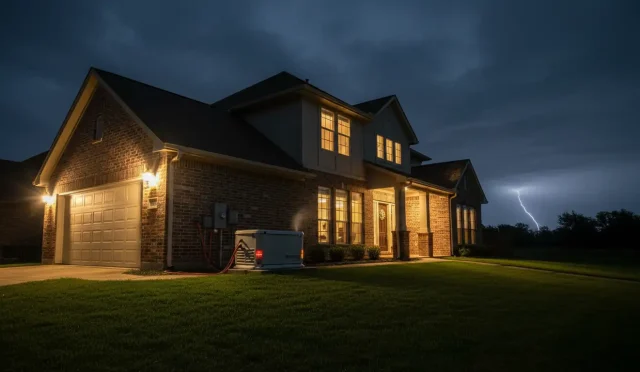
Portable generators represent the most popular choice for storm-affected households seeking immediate power restoration. These machines convert fuel into electricity, powering essential appliances and medical devices when the grid fails. Homeowners appreciate generators for their versatility, as they operate independently from utility infrastructure and provide power anywhere needed. Modern portable generators feature quieter engines, improved fuel efficiency, and automatic shutoff systems that enhance safety during extended use.

Selecting the right generator capacity matters significantly for effective emergency preparedness. A typical household requires 5,000 to 7,500 watts for essential appliances, while larger homes might need 10,000 watts or more. Storm-affected residents should calculate their power needs before purchasing, considering refrigerators, water pumps, medical equipment, and communication devices. Fuel type selection between gasoline, propane, and diesel influences long-term cost and storage considerations for families preparing for hurricane season.
Battery Backup Systems for Continuous Power Supply
Battery backup systems offer silent, emission-free power solutions perfect for homes with sensitive medical equipment or noise restrictions. Lithium-ion battery technology has revolutionized emergency power storage, providing lightweight units with impressive capacity and longevity. These systems charge during normal operations and automatically activate when power fails, ensuring seamless transitions without manual intervention.
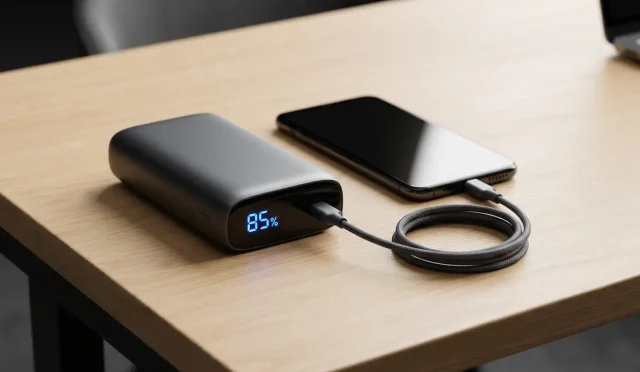
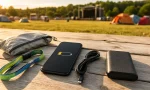
Portable power stations have become increasingly popular in storm-prone regions because they combine battery storage with multiple charging ports and inverters. Users charge these units before storms arrive, creating mobile power reserves that operate silently and produce zero emissions. Battery systems work exceptionally well for powering phones, laptops, medical devices, and small appliances during extended outages. The investment in quality battery backup provides peace of mind knowing critical devices remain operational throughout emergencies.
Solar Power Solutions for Long-Term Resilience
Solar panels paired with battery storage create sustainable power systems that reduce dependence on traditional generators. Storm-affected communities increasingly adopt solar technology because it provides free electricity after initial installation costs. Portable solar panels offer flexibility for renters or those unwilling to commit to permanent roof installations. These systems charge battery banks during daylight hours, storing energy for nighttime use and cloudy periods.
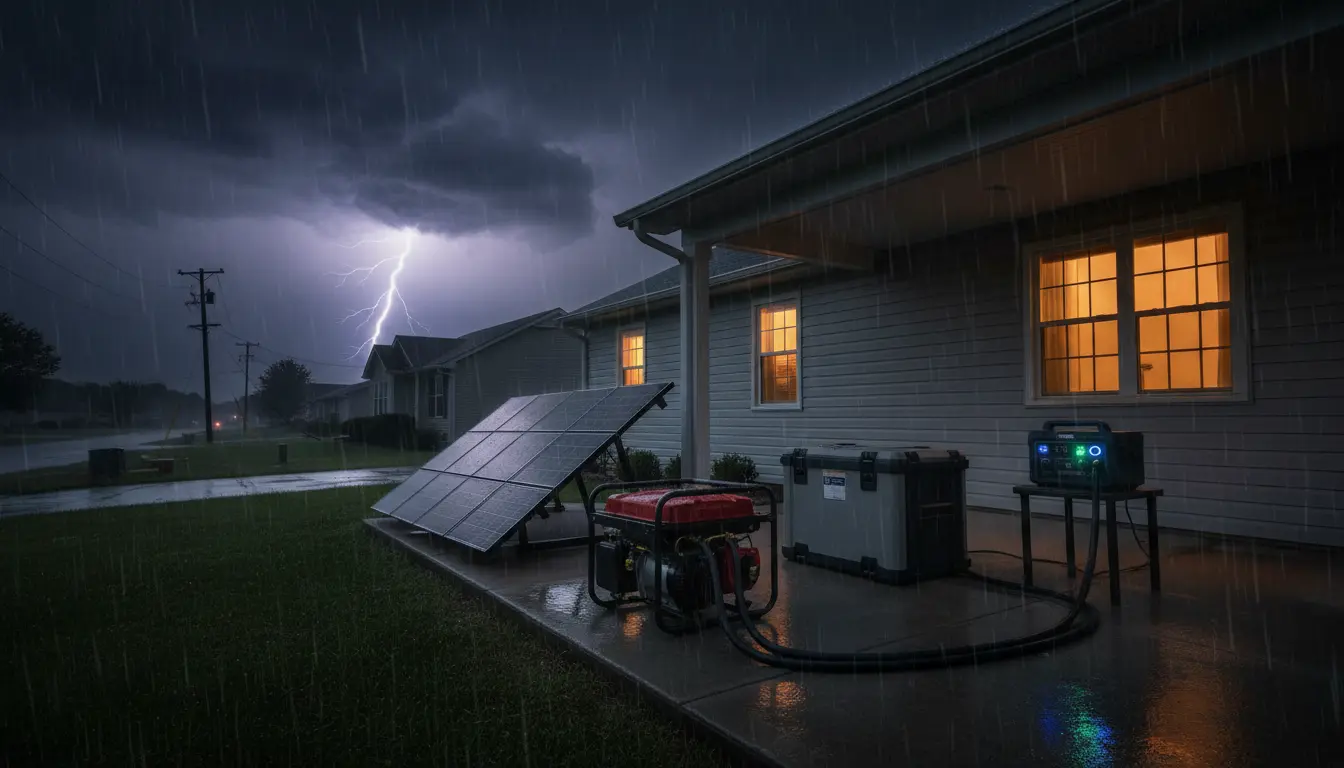
Hybrid solar systems combine photovoltaic panels with battery storage and backup generators, creating comprehensive power solutions for any weather condition. Homeowners in hurricane-prone states appreciate solar systems because they continue generating power even when utility grids fail completely. Modern solar technology has become affordable and efficient, making it accessible for middle-income families seeking energy independence. Installing solar power before storm season ensures families have renewable energy sources when traditional power infrastructure fails.
Uninterruptible Power Supplies for Critical Equipment
Uninterruptible Power Supplies (UPS) protect sensitive electronics and medical equipment from sudden power loss and voltage fluctuations. These devices provide immediate backup power while users safely shut down computers or transfer to alternative power sources. Storm-affected residents with home offices, security systems, or medical equipment rely on UPS units to prevent data loss and equipment damage. Professional-grade UPS systems offer extended runtime and higher capacity for protecting multiple devices simultaneously.
Choosing appropriate UPS capacity depends on connected device power requirements and desired runtime duration. A quality UPS unit prevents data corruption, protects expensive electronics, and maintains critical functions during power transitions. Families with dialysis machines, oxygen concentrators, or CPAP devices cannot afford power interruptions, making UPS systems essential investments. Regular maintenance and battery replacement ensure UPS reliability when emergencies occur.
Fuel Storage and Safety Considerations
Proper fuel storage becomes critical for families relying on generators during extended outages. Gasoline degrades over time, requiring stabilizers and proper containers to maintain usability. Storm-affected residents should store fuel in approved containers away from living spaces, following local fire codes and safety regulations. Rotating fuel supplies ensures fresh gasoline remains available for emergency situations while preventing dangerous accumulation.
Propane offers advantages over gasoline because it stores indefinitely without degradation, making it ideal for long-term emergency preparedness. Many families maintain propane tanks for grills and heating systems, creating convenient fuel sources for propane generators. Safety protocols require proper ventilation when operating any fuel-burning generator, preventing carbon monoxide accumulation in enclosed spaces. Educating family members about generator safety prevents accidents and ensures reliable operation during critical moments.
Choosing the Right Power Solution for Your Needs
Storm-affected families must evaluate their specific power requirements before investing in emergency equipment. Assess which appliances and devices require continuous power, calculate total wattage needs, and determine acceptable runtime duration. Consider budget constraints, available storage space, and fuel accessibility when selecting between generators, batteries, and solar solutions. Many families benefit from combining multiple power sources, creating redundant systems that ensure continuous electricity regardless of circumstances.
Professional installation services help homeowners maximize equipment efficiency and ensure proper safety compliance. Consulting with local electricians familiar with storm-prone region requirements prevents costly mistakes and ensures systems meet building codes. Regular maintenance schedules keep power equipment functioning reliably, extending lifespan and preventing failures during emergencies. Investing time in proper setup and maintenance protects families and property when storms strike.
Preparing Your Home for Storm Season
Comprehensive emergency preparedness extends beyond purchasing power equipment to include planning and practice. Families should test generators monthly, rotate fuel supplies, and verify battery backup systems function correctly. Creating emergency contact lists, identifying safe shelter locations, and establishing communication plans ensures coordinated responses when storms approach. Storm-affected communities benefit from neighborhood preparedness initiatives that share resources and knowledge.
Staying informed about weather forecasts allows families to charge batteries, fill fuel tanks, and prepare equipment before storms arrive. Local emergency management agencies provide valuable resources about storm preparation and available assistance programs. Many states offer tax incentives or rebates for families installing renewable energy systems, reducing costs for solar and battery investments. Taking proactive steps before storm season significantly improves family safety and reduces recovery time after weather events.
Recommended Amazon Product
For families seeking reliable portable power, the Goal Zero Yeti 4000X Portable Power Station combines impressive capacity with versatile charging options. This 3,024Wh lithium battery system powers essential appliances for extended periods while remaining portable enough for evacuation situations. Multiple AC outlets, USB ports, and wireless charging capabilities make it ideal for storm-affected households needing comprehensive power solutions. The system charges via solar panels, wall outlets, or car chargers, providing flexibility for various emergency scenarios.