
The Ultimate Guide to Choosing the Perfect Pots for Soups, Stews, and Broths
When the air turns chilly and the craving for comfort food kicks in, nothing beats a simmering pot of homemade soup or a rich, slow-cooked stew. However, any seasoned home cook knows that the secret to a world-class broth isn’t just the ingredients; it’s the vessel you use. Choosing the right cookware transforms a simple meal into a culinary masterpiece by ensuring even heat distribution and moisture retention.
Why Your Choice of Pot Matters
Cooking liquid-based dishes like bone broth or hearty beef stew requires consistent temperature control. If you use a thin-bottomed pot, you risk scorching your ingredients at the base while the top remains lukewarm. High-quality pots manage heat effectively, allowing flavors to meld over hours without constant supervision. Whether you are deglazing a pan for a French onion soup or simmering a collagen-rich stock, the material of your pot dictates the final texture and taste.
The Versatility of the Dutch Oven
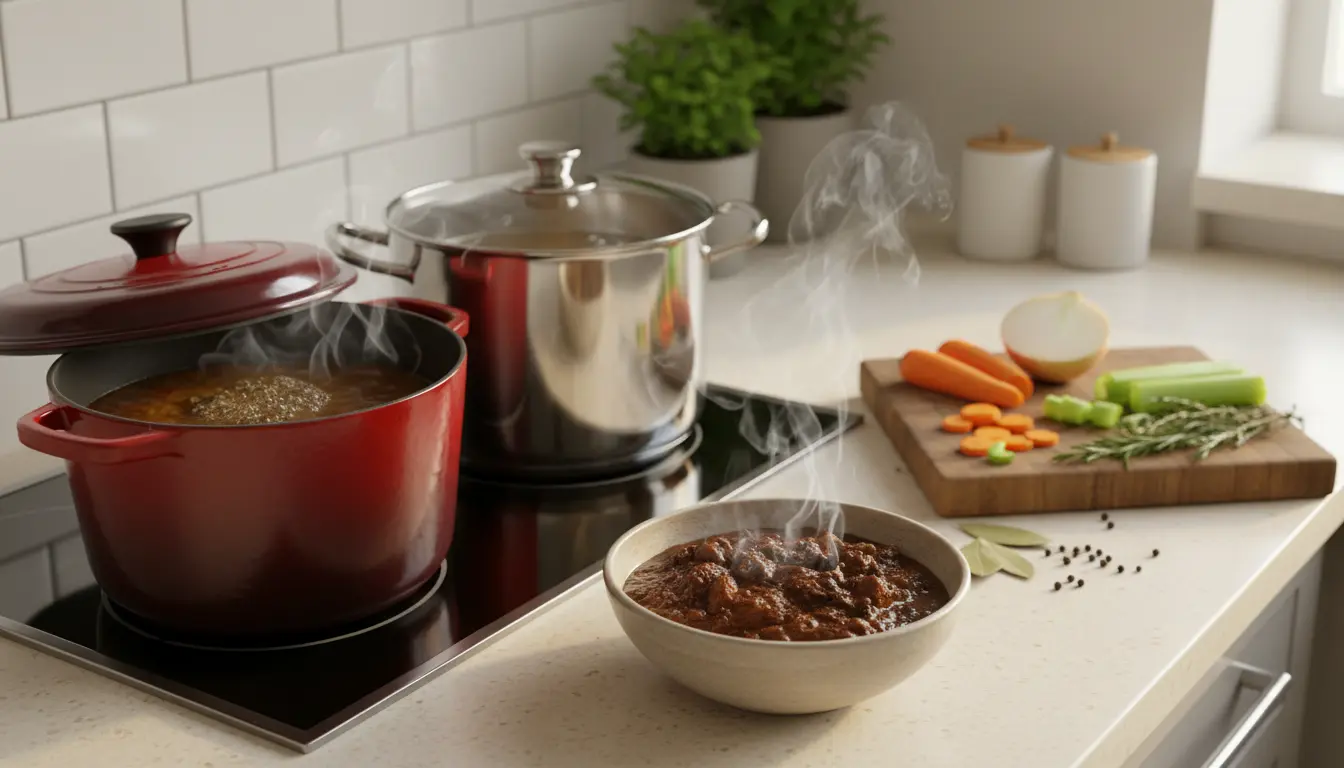
For many chefs, the enameled cast iron Dutch oven stands as the undisputed king of the kitchen. Its thick walls and heavy lid create a pressurized environment that locks in steam. This moisture recycling is essential for tenderizing tough cuts of meat in stews. Because cast iron retains heat so efficiently, it maintains a steady simmer even when you add cold ingredients. Furthermore, the enameled surface is non-reactive, meaning you can cook acidic tomato-based soups for hours without any metallic aftertaste.



The Efficiency of Stainless Steel Stockpots
If you are preparing large batches of vegetable stock or boiling pasta, a tall stainless steel stockpot is your best friend. These pots are lightweight compared to cast iron, making them easier to maneuver when full of liquid. Look for “tri-ply” or “multi-clad” designs, which feature an aluminum or copper core sandwiched between layers of stainless steel. This construction provides the rapid heating of aluminum with the durability and non-reactive properties of steel. A high-quality stockpot ensures that your delicate broths heat evenly from the bottom up.
Copper and Ceramic Options
For those who prioritize precision, copper pots offer unmatched thermal conductivity. They respond instantly to changes in stove temperature, which is vital for delicate cream-based soups. On the other hand, ceramic and clay pots provide a traditional, earthy approach to slow cooking. These materials radiate a gentle heat that is perfect for long-simmering stews, though they require more careful handling to prevent cracking.
Key Features to Look For
When shopping for your next soup pot, prioritize a tight-fitting lid. A loose lid allows steam to escape, which reduces your liquid and can result in an overly salty broth. Ergonomic, riveted handles are also crucial; you need a secure grip when carrying a heavy pot of boiling liquid from the stove to the sink. Finally, consider the shape. Wide, shallow pots (often called braisers) are better for stews with less liquid, while tall, narrow pots minimize evaporation for clear stocks.
Maintenance for Longevity
To keep your cookware in top shape, avoid drastic temperature changes. Never plunge a hot Dutch oven into cold water, as this can cause the enamel to chip. For stainless steel, a simple soak with warm soapy water usually does the trick, but a bit of vinegar can help remove stubborn mineral deposits from hard water. Investing in quality pots means you are buying tools that can last a lifetime and even become family heirlooms.
Mastering the Art of the Simmer
The transition from a hobbyist to a pro cook often happens when you understand the “low and slow” philosophy. A great pot allows you to maintain that barely-perceptible bubble that extracts nutrients from bones and sweetness from aromatics. By selecting the right material—be it cast iron for a rustic stew or stainless steel for a clear consommé—senhance your kitchen’s capabilities and ensure every bowl you serve is packed with deep, complex flavors.
Conclusion
Your kitchen deserves tools that match your passion for cooking. By choosing a pot specifically designed for soups, stews, and broths, you eliminate the guesswork and focus on what matters: the flavor. From the stovetop to the dinner table, the right pot makes all the difference in creating nourishing, delicious meals for your loved ones.
Amazon Product Recommendation:
Lodge 6 Quart Enameled Cast Iron Dutch Oven – A versatile, durable, and highly-rated choice for any slow-cooked meal.