
Best Portable Power Stations for Home Backup During Outages
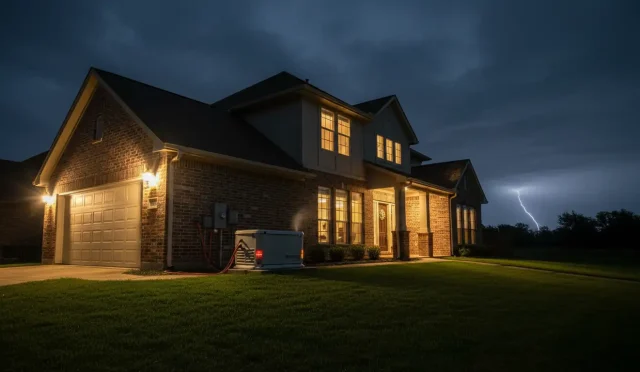
Power outages disrupt daily life in seconds. Lights go out, refrigerators stop running, routers disconnect, and heating or cooling systems fail. Whether you live in a storm-prone region or simply want peace of mind, investing in a portable power station for home backup gives you control when the grid goes down.
In this guide, you will discover how portable power stations work, what features matter most, and which models deliver the best performance during emergencies. I’ll also explain key buying factors like battery capacity, inverter size, recharge speed, and solar compatibility so you can make an informed decision.
Why Portable Power Stations Are Ideal for Emergency Backup
Traditional gas generators are powerful, but they come with noise, fumes, fuel storage concerns, and maintenance requirements. Portable power stations offer a modern alternative.


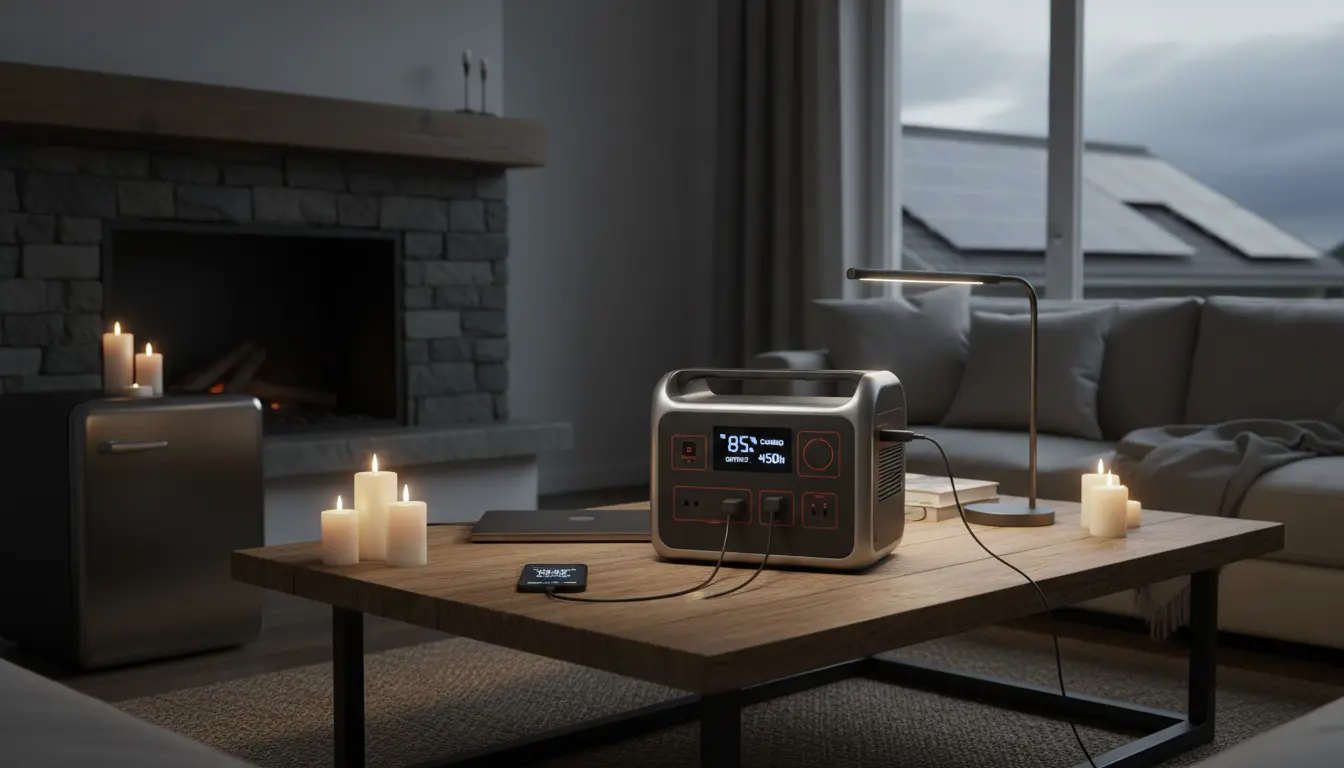
These compact units use lithium battery technology, which allows them to store energy safely and deliver clean electricity without emissions. You can use them indoors because they don’t produce carbon monoxide. They also operate quietly, making them perfect for apartments and suburban homes.
Key benefits include:
- ✅ Silent operation
- ✅ Zero emissions
- ✅ Indoor-safe design
- ✅ Low maintenance
- ✅ Easy plug-and-play setup
For many households, they provide enough emergency backup power to run essential appliances for hours—or even days when paired with solar panels.
What to Look for in a Portable Power Station
Choosing the best unit requires understanding several technical specifications. Let’s break down the essentials.
1. Battery Capacity (Watt-Hours)
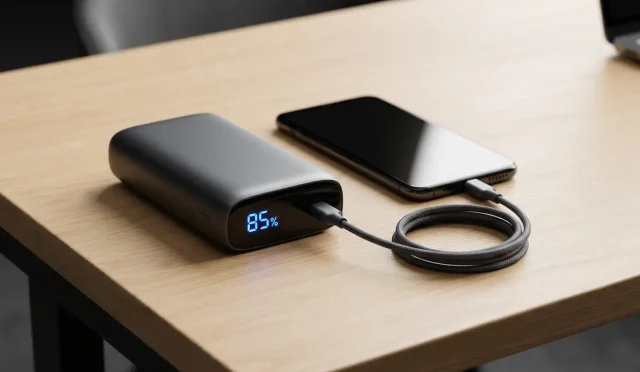
Battery capacity determines how long your devices can run. It’s measured in watt-hours (Wh).
- 300–500Wh → small electronics, routers, lights
- 1000Wh → refrigerators, CPAP machines, TVs
- 2000Wh+ → multiple appliances simultaneously
If you want reliable home emergency preparedness, aim for at least 1000Wh.
2. Power Output (Watts)
The inverter rating determines what appliances the unit can handle.
- 300–600W → laptops, phones
- 1000W → fridge, microwave
- 2000W+ → power tools, sump pumps
Look for pure sine wave inverter technology. It protects sensitive electronics and ensures stable performance.
3. Recharge Options
The best units offer multiple charging methods:
- Wall outlet (AC charging)
- Car charger
- Solar panel charging
- Dual charging (AC + solar simultaneously)
If you live in storm-prone or rural areas, solar generator systems provide long-term resilience. You can recharge even during extended outages.
4. Battery Type
Modern stations use either:
- Lithium-ion batteries
- LiFePO4 battery chemistry
LiFePO4 batteries last longer (3,000+ cycles) and provide improved safety and thermal stability. For long-term investment, this is the better option.
Best Portable Power Stations for Home Backup
Here are top-performing categories based on real-world needs.
🔋 Best for Small Homes and Apartments
If you only need to power essentials like:
- WiFi router
- Laptop
- LED lights
- Smartphone chargers
A 500–1000Wh power station works well. These compact units are lightweight and easy to store.
They function as reliable battery backup systems for homes and keep communication devices running during blackouts.
⚡ Best for Refrigerators and Essential Appliances
A refrigerator typically requires 600–800W during startup. Choose a unit with:
- 1000–1500Wh capacity
- At least 1200W inverter output
This setup keeps food fresh during short outages and protects you from costly spoilage.
Look for models with fast recharge capabilities. Some advanced stations reach 80% charge in under one hour.
☀️ Best Solar-Compatible Backup Systems
If you want energy independence, choose a portable solar power station that supports high-wattage solar input.
Pairing your station with foldable solar panels allows you to:
- Recharge during long grid failures
- Reduce reliance on fuel
- Lower electricity costs over time
This setup transforms your backup system into a true off-grid power solution.
🏠 Best Whole-Home Backup Alternative
While portable power stations don’t fully replace built-in standby generators, larger models (2000Wh–4000Wh) can power:
- Refrigerator
- Freezer
- TV
- Router
- Lights
- Medical devices
Some units even support expandable battery capacity, allowing you to connect extra battery modules for extended runtime.
How Long Can a Portable Power Station Run Your Devices?
Runtime depends on battery size and appliance consumption.
Here’s a simple example:
If your refrigerator uses 150W per hour and your power station has 1500Wh:
1500Wh ÷ 150W = 10 hours (approximate runtime)
Energy-efficient appliances significantly extend runtime. Using LED lighting and unplugging unnecessary devices improves performance.
Portable Power Station vs Gas Generator
Let’s compare:
| Feature | Portable Power Station | Gas Generator |
|---|---|---|
| Noise Level | Silent | Loud |
| Indoor Use | Safe | Dangerous |
| Fuel Needed | No | Yes |
| Maintenance | Minimal | Regular |
| Emissions | Zero | High |
For most households, a quiet portable generator alternative offers convenience and safety.
When Should You Invest in Backup Power?
You should consider buying a portable power station if:
- You experience frequent storms
- You live in wildfire zones
- You rely on medical devices
- You work from home
- You want sustainable energy backup
With climate events increasing globally, reliable backup power is no longer a luxury—it’s smart planning.
Smart Usage Tips During Power Outages
To maximize battery life:
- Prioritize essential appliances
- Turn off unused outlets
- Use energy-saving modes
- Charge during daylight if using solar
Strategic power management extends runtime and ensures continuous support.
Are Portable Power Stations Worth It?
Yes—especially if you value:
- Energy security
- Silent operation
- Clean energy solutions
- Flexibility and portability
They combine the reliability of a generator with the convenience of modern battery storage.
As lithium battery prices continue to drop and efficiency improves, portable stations are becoming the preferred solution for residential backup power.
Safety Considerations
Even though portable power stations are safe for indoor use, always:
- Avoid blocking ventilation areas
- Use certified solar panels
- Store in dry conditions
- Follow manufacturer guidelines
High-quality units include built-in protection against overcharging, overheating, and short circuits.
Final Thoughts
The best portable power station for home backup depends on your needs. Small apartments may only require a compact unit, while larger households benefit from higher capacity models with expandable batteries.
Focus on:
- Battery capacity (Wh)
- Inverter output (W)
- Solar compatibility
- Battery lifespan
- Recharge speed
When you choose wisely, you gain peace of mind and reliable electricity during emergencies.
Portable power stations represent the future of residential energy storage—clean, efficient, and ready when you need them most.
Recommended Product (Available on Amazon.com)
Jackery Explorer 2000 Plus Portable Power Station
This high-capacity unit offers:
- 2042Wh expandable battery
- 3000W pure sine wave inverter
- Fast wall charging
- Solar panel compatibility
- Reliable LiFePO4 battery
It’s ideal for serious home backup needs and long-duration outages.