
Why the Tesla Model 2 Matters
Tesla has spent years reshaping the electric vehicle market, but one gap still stands out. The company sells premium EVs, yet many drivers still wait for a truly accessible Tesla. That is why the Tesla Model 2 continues to generate so much attention. If Tesla launches a lower-priced vehicle, it could expand the brand far beyond its current customer base and bring millions of new buyers into the EV world.
The idea behind the Model 2 is simple but powerful. Tesla appears to be aiming for an affordable EV that offers the core Tesla experience without the price tag of the Model 3 or Model Y. Buyers want a car that feels modern, efficient, and smart. They also want a vehicle they can realistically afford. That is where the entry-level Tesla concept becomes so important.
Although Tesla has not confirmed every detail, industry observers, investors, and EV enthusiasts keep watching the company closely. Every production update, battery announcement, and factory expansion sparks new speculation. The Model 2 is not just another rumored car. It could become one of the most important launches in Tesla’s history.

What the Tesla Model 2 Is Expected to Be
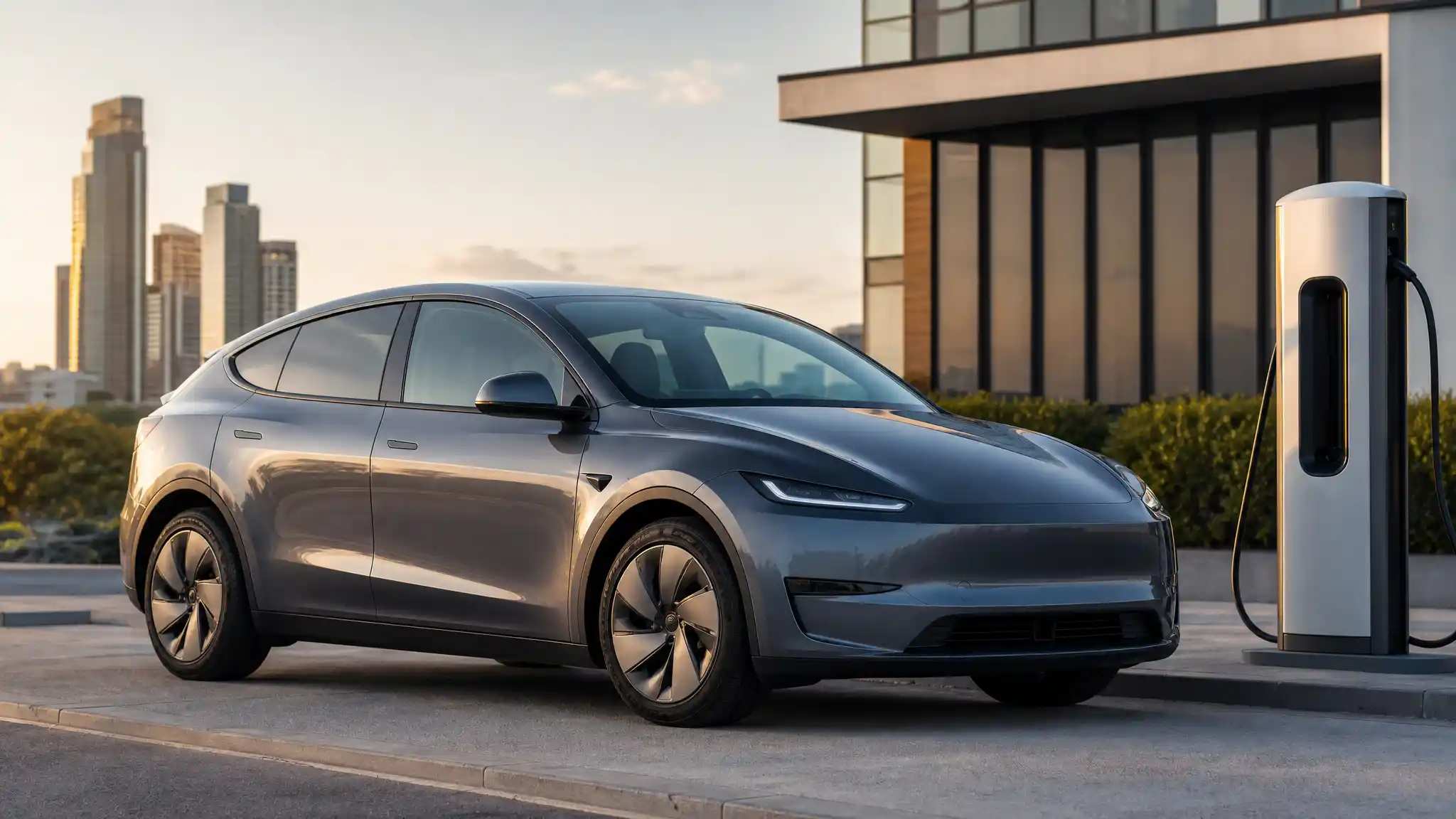
Most reports suggest the Tesla Model 2 will be a smaller and more budget-friendly vehicle designed for urban and suburban drivers. Many expect a Tesla compact car with a practical interior, lower production cost, and strong energy efficiency. Tesla has always pushed scale and manufacturing efficiency, so a smaller model fits the company’s long-term strategy.
Some analysts expect a hatchback shape, while others believe Tesla could build a small crossover. Either way, the vehicle will likely target people who want a low-cost electric car without giving up modern tech. Tesla understands that first-time EV buyers care about usability just as much as performance. A compact body, simple cabin, and software-driven features could make the Model 2 highly attractive.
Tesla may also position the car as an urban electric vehicle. That would make sense. City drivers want easy parking, low operating costs, and fast charging access. If Tesla keeps the car agile, efficient, and easy to own, it could dominate this growing part of the market.
Expected Tesla Model 2 Price
The biggest reason people keep searching for this vehicle is the expected cost. The rumored Tesla Model 2 price has often landed around the $25,000 mark, though final pricing could vary depending on battery size, tariffs, incentives, and region. Even if Tesla launches the vehicle above that number, it could still undercut many competitors if it delivers better software and lower operating costs.
Price matters because EV adoption still depends on affordability. Buyers compare monthly payments, insurance, charging costs, and resale value. Tesla knows this. A well-priced model could attract students, young professionals, families buying a second car, and drivers switching from gasoline for the first time.
Government incentives could also affect the real purchase cost. In some markets, buyers may qualify for local rebates or EV tax credits, which could make the Model 2 even more competitive. If Tesla combines a strong sticker price with lower maintenance needs, the car could appeal to both budget-conscious consumers and technology-focused shoppers.
Release Date Rumors and Production Timeline
Another major question involves the Tesla Model 2 release date. Tesla has not provided a fully locked public launch schedule, and that uncertainty fuels constant speculation. Some observers expected the vehicle sooner, while others believe Tesla may delay it until production methods, battery supply, and platform economics align.
Tesla often prioritizes manufacturing scale over flashy announcements. That means the company may wait until it can build the vehicle efficiently before revealing final details. A rushed launch would hurt margins and damage expectations. Tesla usually thinks in terms of long-term volume, not short-term hype.
Much of the timeline depends on Gigafactory production capacity and how Tesla allocates its resources across existing models, robotics, software, and energy products. If the company can simplify assembly and cut manufacturing steps, it may finally bring the Model 2 to market at a price point that makes sense.
Battery, Range, and Efficiency Expectations
Range will play a huge role in the vehicle’s success. Buyers may accept fewer luxury touches in a low-cost model, but they still expect useful daily performance. The projected EV range for the Model 2 will likely need to balance affordability and practicality. Tesla does not need to offer extreme long-distance numbers in this segment, but it does need to deliver confidence.
Many experts believe Tesla could use an LFP battery in at least one version of the car. Lithium iron phosphate chemistry costs less, lasts longer in many use cases, and supports affordable mass-market EV production. Tesla has already used LFP battery technology in some vehicles, so this would be a logical move.
Efficiency may become the real selling point. If Tesla builds a lightweight compact model with excellent aerodynamics and smart power management, the car may achieve impressive real-world range without a massive battery pack. That would lower cost, reduce charging time, and improve the ownership experience.
Design and Interior: Practical Over Flashy
Do not expect the Model 2 to chase luxury for its own sake. Tesla will likely focus on clean design, software integration, and practical packaging. A compact electric hatchback layout would give the car everyday versatility and better cargo access, while still keeping dimensions small enough for city use.
Inside, Tesla will probably continue its minimalist design language. A central touchscreen, simplified dashboard, and limited physical controls could help reduce cost and maintain brand identity. Tesla may strip away nonessential materials, but the cabin will still need to feel modern and comfortable.
The company’s strength lies in software. Even a lower-cost Tesla could still offer features that make the vehicle feel advanced. Over-the-air updates, navigation tools, energy monitoring, and app-based controls would likely remain central to the experience. Tesla does not need to overbuild the interior if the digital ecosystem feels polished and useful.
Technology and Autonomous Features
Tesla buyers expect more than transportation. They expect a connected experience. That means the Model 2 will likely include strong software integration and at least some level of autonomous driving features, depending on market regulations and trim level.
Tesla may keep the hardware consistent with its broader lineup to simplify manufacturing and software deployment. Even if the most advanced features come as optional upgrades, the vehicle will likely support driver-assistance tools that many buyers now consider essential. Lane support, adaptive cruise functions, and safety visualization could help the car stand out.
This is also where Tesla creates brand loyalty. A buyer may enter the ecosystem through a smaller car, then remain with Tesla because of the software experience, charging convenience, and long-term updates. The Model 2 could serve as the gateway vehicle for a new generation of owners.
Charging and Everyday Ownership
A lower-cost EV only succeeds if ownership feels easy. Tesla still holds a major advantage here because of the Tesla charging network. Access to reliable fast charging can reduce range anxiety and make even a smaller battery vehicle more practical for daily life.
For many drivers, the real question is not maximum range. It is convenience. Can they charge at home? Can they find reliable public chargers? Can they drive on weekends without planning around broken stations? Tesla has built much of its brand strength by solving these issues better than many rivals.
That advantage matters even more in the affordable segment. Buyers moving from gas-powered cars want simplicity. They do not want a complicated transition. If Tesla offers a straightforward ownership experience, the Model 2 could become one of the easiest EVs to recommend.
How the Model 2 Could Change the EV Market
If Tesla delivers the Model 2 at the right price, the impact could be massive. The car would not just fill a gap in Tesla’s lineup. It could pressure competitors across the global EV market. Legacy automakers and new EV startups both understand that a successful low-cost Tesla would reset buyer expectations.
A truly accessible Tesla could accelerate sustainable transportation by making electric mobility available to more middle-income households. That matters because the EV transition cannot rely only on premium buyers. Mass adoption needs volume products, not just halo cars.
The Model 2 could also show what happens when Tesla applies its next-generation Tesla platform ideas to a mainstream product. If the company cuts production complexity, reduces parts count, and scales output efficiently, it may create a new manufacturing benchmark for the industry.
Risks, Delays, and What Could Go Wrong
Of course, not everything points to an easy launch. Tesla faces real challenges. Material costs, battery supply, factory expansion, labor issues, and global competition all affect the project. Tesla also needs to protect profit margins while reaching a lower price bracket. That is not easy, even for a company with strong scale.
There is also the question of internal focus. Tesla continues to invest heavily in AI, robotics, energy storage, and autonomous systems. Those priorities may influence how quickly a smaller passenger EV reaches production. The Model 2 remains exciting, but buyers should remember that rumors do not equal confirmed specifications.
Still, the demand story remains strong. People want a simpler, cheaper Tesla. They want modern software, efficient design, and lower ownership costs. If Tesla listens to that demand and executes well, the Model 2 could become far more than a niche product.
Final Thoughts
The Tesla Model 2 represents more than curiosity about a new car. It represents the next major test for Tesla’s mission and scale. The company has already shown that it can sell desirable EVs. Now it may need to prove that it can sell them at a price the mass market can embrace.
If Tesla launches this vehicle successfully, it could become the brand’s most influential model yet. It could bring new buyers into the ecosystem, strengthen Tesla’s global position, and push the broader industry toward more affordable electric mobility. Buyers do not just want innovation anymore. They want innovation they can afford.
That is why the Model 2 continues to matter. It sits at the intersection of price, technology, manufacturing, and consumer demand. Whether it arrives as a hatchback, a small crossover, or another compact format, one fact remains clear: if Tesla gets this one right, the affordable EV market may never look the same again.
Amazon.com Product Recommendation
Lectron Tesla to J1772 Charging Adapter — A practical Amazon.com accessory for Tesla owners who may want more flexibility at public charging stations.