
Best Electric Coolers for Long Road Trips across the US
Long road trips across the US feel easier when you stop worrying about melted ice, soggy packaging, and surprise food waste. A good electric cooler keeps groceries, drinks, and meal-prep reliably cold from state to state—whether you’re crossing desert heat, climbing mountain passes, or idling in city traffic.
In this guide, you’ll learn how to choose the right electric cooler for your route, vehicle, and travel style. I’ll also share power and packing strategies that make your cooler perform like a true travel companion instead of a finicky gadget.
Why an Electric Cooler Beats Ice for Multi-Day Drives
A traditional ice chest works for short trips, but it creates ongoing problems on long drives:

- You keep buying ice (and searching for it at the worst times).
- Water pools inside, soaking food and labels.
- Temperatures swing wildly, which is rough on meat, dairy, and leftovers.
A portable electric cooler solves those issues by maintaining a steady target temperature. When you drive 8–12 hours per day, that consistency matters more than you think. You can store food safely, plan meals confidently, and reduce stops that derail your schedule.
Electric Cooler Types: What You’re Really Buying
Not all “electric coolers” behave the same. Before you compare sizes and prices, decide which cooling technology fits your trip.
1) Compressor Models (Best for True Refrigeration)
A compressor fridge freezer works like a mini fridge. It cools quickly, handles high ambient heat, and can often freeze if you want it to.
Choose a compressor unit if you:
- Travel through hot climates (Southwest summers, humid Gulf states)
- Need stable temps for several days
- Want freezer capability or very cold settings
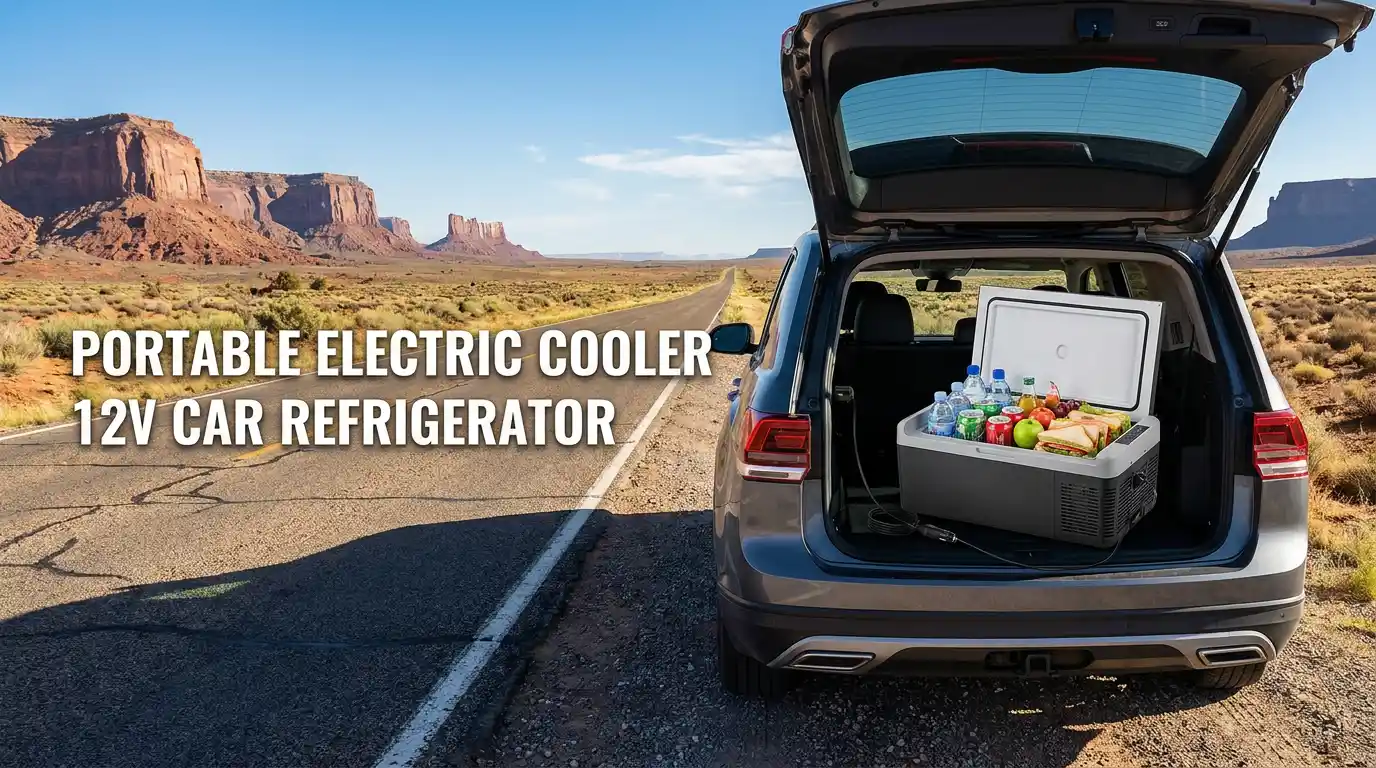
Compressor units often show up under terms like 12V car refrigerator, overland fridge, or car camping refrigerator—and for good reason: they’re the most reliable for long mileage.
2) Thermoelectric Models (Best for Budget + Mild Conditions)
A thermoelectric cooler is simpler and usually cheaper, but it typically cools “X degrees below ambient,” not to an exact fridge temp in every condition. That means performance can drop in extreme heat.
Choose thermoelectric if you:
- Drive mostly in moderate weather
- Use it mainly for drinks and snacks
- Don’t need strict food-safe refrigeration
3) Dual-Zone Models (Best for Mixed Loads)
A dual-zone cooler lets you run two compartments at different temperatures (for example: fridge on one side, freezer on the other). This is ideal for longer routes when you want frozen items plus fresh produce.
It costs more, but it can replace a messy “two-cooler system” and improve road trip food storage significantly.
Sizing: Capacity and Vehicle Fit Matter More Than “Quarts”
Capacity looks straightforward until you load the car. Here’s how to pick a size that actually works:
- Solo / couple (2–4 days): ~25–40L
- 2–4 people (3–7 days): ~40–60L
- Families / long car camping loops: ~60–75L+
Also check:
- Trunk/hatch clearance and lid opening space
- Whether it fits behind a seat without blocking airflow
- How you’ll reach it at rest stops (top-opening vs front-opening styles)
If you plan to treat it as an RV refrigerator alternative (even in a regular SUV), prioritize easy access and internal baskets. You’ll grab food more often than you expect.
Power Planning: The Difference Between “Works” and “Works All Trip”
Most quality units run as an AC/DC powered cooler:
- 12V/24V DC for vehicle outlets
- 110V AC for hotels, Airbnbs, or campground hookups
To avoid dead batteries and warm food, pay attention to:
Battery Protection
Look for a battery protection system (low-voltage cutoff). This feature protects your starting battery by shutting the cooler off (or lowering load) before you can’t start the engine.
Realistic Energy Use
An energy efficient cooler can sip power once it reaches temp, but consumption rises when:
- The cabin is hot
- You open it constantly
- You load warm items
- You set it to freezer temps
Solar and Portable Power Stations
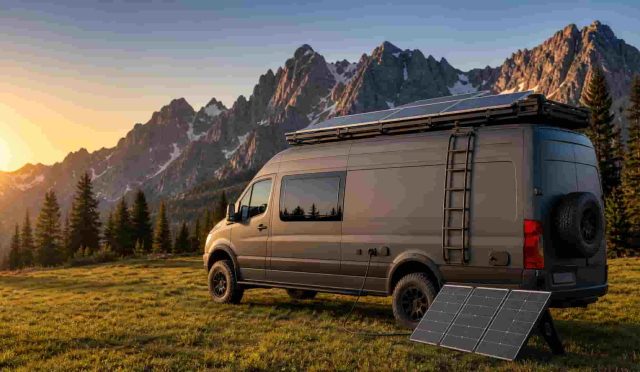
If you car-camp often, choose a solar compatible cooler and pair it with a power station. You gain flexibility when you’re parked at scenic pullouts, dispersed campsites, or beaches with no hookups.
Performance Features That Actually Improve Road-Trip Life
Marketing claims get loud in this category. Focus on features that change your daily experience:
- Digital temperature control: Helps you set precise fridge-safe temps and monitor swings. A solid digital temperature control system beats vague “cold/hot” switches.
- Tight seals + thick insulation: Reduces runtime and protects food in heat.
- Quiet running fridge operation: Matters when you sleep in the vehicle or run it overnight near a tent.
- Interior baskets and dividers: Prevent crushed produce and make meal-prep easier.
- Drain plug (optional): Useful if you ever use it as a conventional cooler, but less important in compressor units.
How to Pack for Stable Temps (and Fewer Stops)
Your cooler performs best when you treat it like a small fridge, not a bottomless pit.
- Pre-chill at home (or at least in AC power) before you depart.
- Use frozen water bottles as “cold mass” if you’re not freezing food.
- Organize by frequency:
- Top layer: drinks, snacks
- Middle: deli items, ready meals
- Bottom: raw proteins (sealed) and long-term items
- Don’t overload. Air circulation improves cooling performance and reduces compressor cycling.
This approach also helps you keep food safe and predictable when you’re driving across multiple climate zones in a single week.
Which Electric Cooler Is “Best” for US Road Trips?
The best choice depends on how you travel:
- Best overall for serious long trips: compressor model (true refrigeration on 12V)
- Best for value-driven travelers: thermoelectric unit (if you stay in mild temps)
- Best for mixed needs: dual-zone compressor (fridge + freezer in one)
- Best for car campers and overlanders: rugged compressor with battery protection + solar compatibility
If you’re building a reliable food system for weeks on the road—especially for national park loops, cross-country drives, or remote camping—a compressor 12V car refrigerator is usually the smartest investment.
1 Amazon.com Product Recommendation (Reliable Pick)
If you want a proven compressor option that many road-trippers use as a car camping refrigerator and RV refrigerator alternative, consider:
- Dometic CFX3 45 Portable Refrigerator/Freezer (commonly available on Amazon.com)
It’s known for strong insulation, stable temps, and road-ready build quality. Pair it with a power station if you plan to run it while parked for long periods.