
The Health Impact of Wildfire Smoke: Why Air Purifiers Are Essential Now
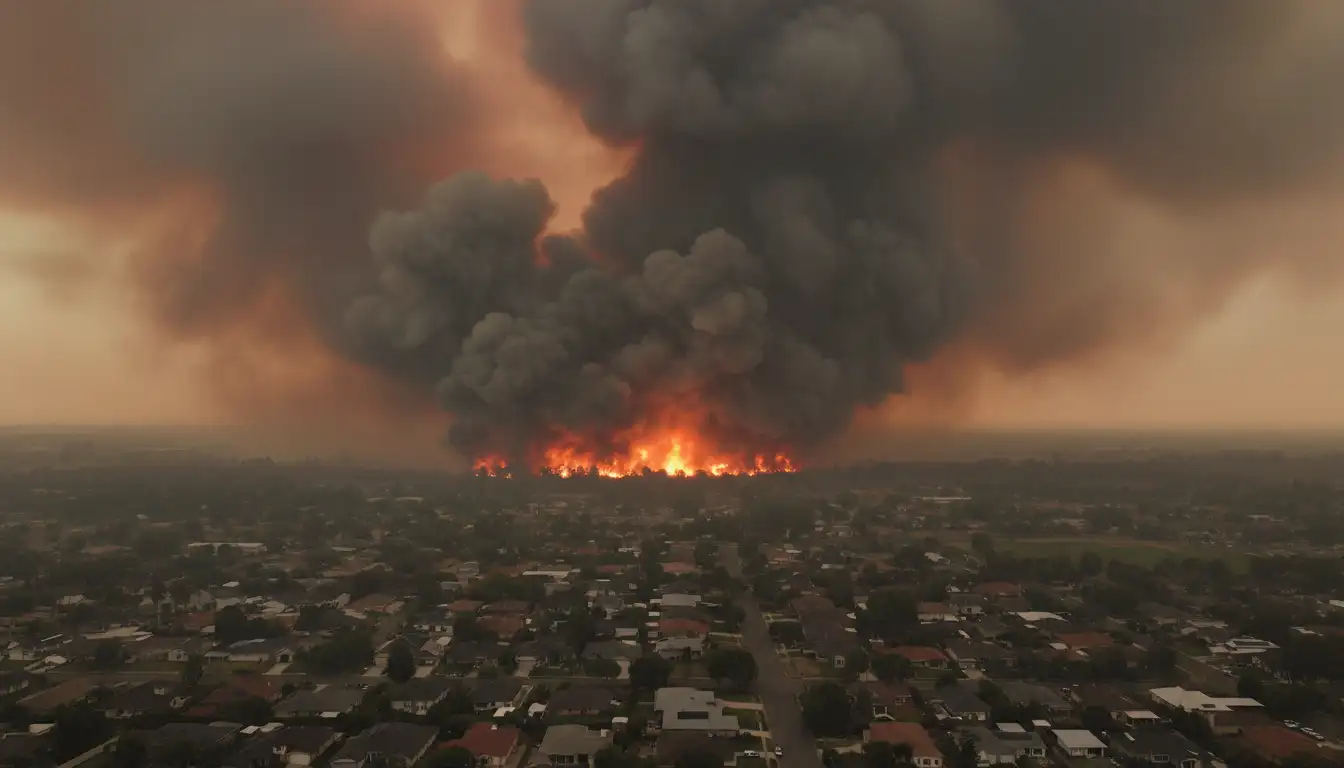
Wildfires have become more frequent and intense in many parts of the world, affecting not only forests and wildlife but also the health of millions of people. Even individuals living hundreds of miles away from an active wildfire can experience poor air quality due to smoke traveling long distances. As wildfire seasons grow longer, people are increasingly searching for practical ways to protect themselves and their families from harmful airborne pollutants.
One of the most effective solutions available today is the use of a high-quality air purifier. Understanding the health risks associated with wildfire smoke and the benefits of indoor air purification can help households make informed decisions during smoke events.
Understanding What Is Inside Wildfire Smoke
Wildfire smoke is a complex mixture of gases, chemicals, and microscopic particles released when vegetation, buildings, and other materials burn. While smoke may appear as a visible haze, the greatest threat often comes from particles too small to see with the naked eye.



These fine particles, commonly known as PM2.5, measure less than 2.5 micrometers in diameter. Because of their tiny size, they can bypass the body’s natural defense mechanisms and penetrate deep into the lungs. In some cases, they can even enter the bloodstream.
Wildfire smoke typically contains:
- Fine particulate matter (PM2.5)
- Carbon monoxide
- Volatile organic compounds (VOCs)
- Nitrogen oxides
- Toxic chemicals from burning materials
- Ash and soot particles
Exposure to these pollutants can have both immediate and long-term health consequences.
How Wildfire Smoke Affects Human Health
The health effects of wildfire smoke can vary depending on age, overall health, exposure duration, and air pollution levels. However, even short-term exposure can trigger symptoms in otherwise healthy individuals.
Common symptoms include:
- Eye irritation
- Sore throat
- Persistent coughing
- Headaches
- Wheezing
- Shortness of breath
- Fatigue
For people with existing respiratory conditions, the risks become much more serious. Smoke particles can aggravate asthma, chronic obstructive pulmonary disease (COPD), and other breathing disorders.
Healthcare professionals also warn that poor indoor air quality caused by wildfire smoke may increase cardiovascular stress. Research has linked exposure to fine particles with elevated risks of heart attacks, irregular heart rhythms, and other cardiovascular problems.
Vulnerable Groups Face Greater Risks
Although wildfire smoke affects everyone, some groups face a significantly higher risk of complications.
Children
Children breathe more air relative to their body size than adults. Their lungs are still developing, making them particularly sensitive to smoke exposure. Extended contact with polluted air may negatively impact lung development and respiratory health.
Older Adults
Seniors often have weakened immune systems or underlying health conditions that increase their susceptibility to smoke-related illnesses. Even moderate smoke levels can trigger breathing difficulties and cardiovascular issues.
Pregnant Women
Emerging studies suggest that prolonged exposure to wildfire smoke may contribute to pregnancy complications and adverse birth outcomes. Limiting exposure during smoke events is especially important for expectant mothers.
Individuals with Chronic Conditions
People living with asthma, COPD, heart disease, or other chronic illnesses often experience worsened symptoms when air quality deteriorates. Healthcare providers frequently recommend additional protective measures during wildfire season.
Why Indoor Air Quality Matters More Than Ever
Many people assume staying indoors automatically protects them from wildfire smoke. Unfortunately, smoke particles can infiltrate homes through doors, windows, ventilation systems, and tiny structural gaps.
Without proper filtration, indoor environments may accumulate significant levels of airborne contaminants. This means people can continue breathing harmful particles even after leaving the smoky outdoor environment.
Maintaining healthy indoor air quality has become one of the most effective strategies for reducing exposure during wildfire events. This is where air purifiers play a crucial role.
How Air Purifiers Help Remove Wildfire Smoke
Air purifiers are designed to capture airborne particles and improve the quality of indoor air. During wildfire season, they can significantly reduce concentrations of harmful pollutants inside homes, apartments, and offices.
The most effective models use HEPA filtration technology. A true HEPA filter can capture at least 99.97% of particles measuring 0.3 microns in size, including many components found in wildfire smoke.
An air purifier works by:
- Drawing polluted air into the unit.
- Passing air through multiple filtration stages.
- Trapping particulate matter and contaminants.
- Releasing cleaner air back into the room.
This continuous filtration process helps create a healthier indoor environment and reduces overall smoke exposure.
The Importance of HEPA Filters During Wildfire Season
When shopping for an air purifier, consumers should prioritize models equipped with True HEPA filters.
HEPA filtration is widely recognized as the gold standard for removing airborne particles associated with wildfire smoke. These filters effectively capture:
- Fine dust
- Smoke particles
- Pollen
- Pet dander
- Mold spores
- Airborne allergens
Many premium units also include activated carbon filters. These filters help reduce odors and absorb gaseous pollutants commonly present during wildfire events.
Combining HEPA and activated carbon filtration creates a more comprehensive air cleaning solution for households affected by poor air quality.
Signs Your Home Needs an Air Purifier
Some smoke contamination is obvious, while other signs can be more subtle. Consider using an air purifier if you notice:
- A persistent smoky smell indoors
- Increased allergy symptoms
- More frequent coughing
- Eye irritation while indoors
- Dust accumulation around vents
- Local air quality alerts
Even if symptoms are mild, reducing exposure can help support long-term respiratory health.
Additional Ways to Reduce Smoke Exposure Indoors
While air purifiers are highly effective, combining them with other protective measures can further improve indoor air quality.
Keep Windows and Doors Closed
During periods of heavy smoke, minimize outdoor air infiltration by keeping windows and doors shut whenever possible.
Seal Air Leaks
Inspect areas around windows, doors, and vents for gaps that may allow smoke to enter your home.
Avoid Indoor Pollutants
Activities such as smoking, burning candles, or using wood-burning fireplaces can worsen indoor air pollution during wildfire events.
Monitor Air Quality Reports
Air quality monitoring tools provide real-time information about local pollution levels. Staying informed allows households to take protective actions when conditions deteriorate.
Upgrade HVAC Filters
High-efficiency HVAC filters can complement air purifier performance by reducing airborne contaminants throughout the home.
Long-Term Health Benefits of Cleaner Indoor Air
Investing in cleaner indoor air offers advantages beyond wildfire season. Many air purification systems continue delivering health benefits year-round.
Potential benefits include:
- Reduced exposure to airborne pollutants
- Improved respiratory comfort
- Better sleep quality
- Lower allergen levels
- Reduced asthma triggers
- Enhanced overall well-being
As environmental challenges continue evolving, indoor air purification has become an increasingly important component of a healthy home environment.
Choosing the Right Air Purifier for Wildfire Smoke
Not all air purifiers perform equally when it comes to wildfire smoke removal. Before making a purchase, evaluate several key factors.
Room Coverage
Select a unit designed for the size of the room where it will operate. An undersized purifier may struggle to maintain effective filtration.
Clean Air Delivery Rate (CADR)
A higher CADR indicates faster removal of airborne particles. This metric is particularly important during severe smoke events.
Filtration Technology
Look for:
- True HEPA filters
- Activated carbon filters
- Multi-stage filtration systems
Noise Levels
Many households run air purifiers continuously during wildfire season. Choosing a quieter model improves comfort and usability.
Energy Efficiency
Energy-efficient units help reduce electricity costs while maintaining around-the-clock air cleaning performance.
The Future of Air Quality Protection
Climate experts predict that wildfire activity may remain a significant concern in many regions for years to come. As a result, protecting indoor environments has become a priority for health-conscious families.
Air purifiers represent one of the most accessible and effective tools for reducing exposure to wildfire smoke. By combining proper filtration technology with smart indoor air quality practices, individuals can significantly lower health risks associated with airborne pollutants.
Final Thoughts
Wildfire smoke is more than a temporary inconvenience. It contains harmful pollutants that can affect respiratory health, cardiovascular function, and overall well-being. Children, seniors, pregnant women, and individuals with chronic conditions face particularly high risks during smoke events.
A high-quality air purifier equipped with a True HEPA filter offers a practical and scientifically supported solution for improving indoor air quality. As wildfire seasons become more intense, investing in effective air purification is no longer simply a comfort upgrade—it is an important step toward protecting long-term health.
Recommended Amazon Product
Product: LEVOIT Core 300-P Air Purifier
Why it is recommended:
- True HEPA filtration
- Effective for wildfire smoke particles
- Compact design
- Quiet operation
- Strong customer reviews on Amazon.com
- Suitable for bedrooms, offices, and living spaces