
AI‑Powered Translation Devices Are Breaking Global Language Barriers
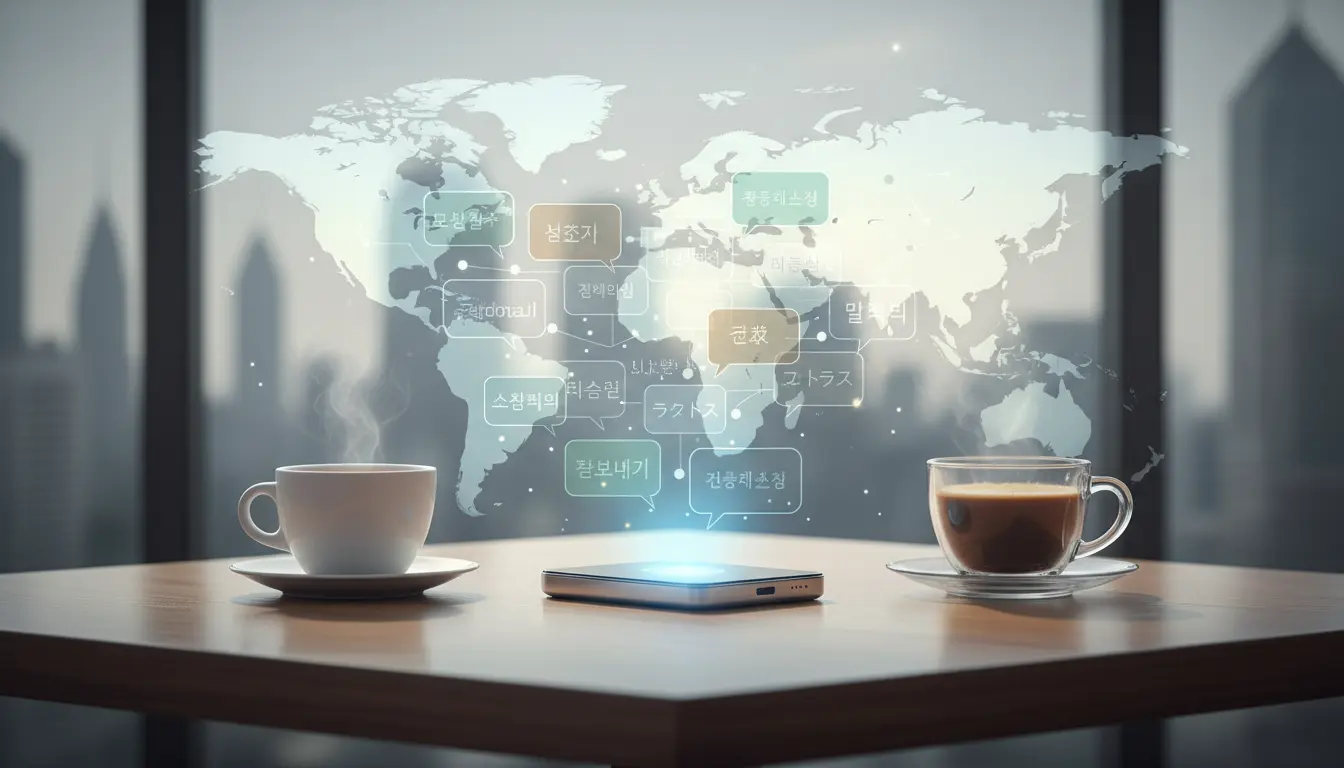
In a world where international communication is essential, AI‑powered translation devices are transforming how people connect across languages. From travelers and students to international businesses and public institutions, these tools make real‑time multilingual communication more accessible and natural than ever before. As artificial intelligence advances, translation devices are becoming smarter, faster, and more context‑aware, helping to break down long‑standing language barriers on a global scale.
What Are AI‑Powered Translation Devices?
AI‑powered translation devices are portable tools—often small gadgets, earbuds, or smartphone‑linked devices—that use artificial intelligence to translate spoken or written language in real time. Instead of relying on static phrasebooks or basic dictionary apps, they use neural machine translation (NMT) models to:
- Recognize speech accurately
- Understand sentence structure and context
- Produce natural‑sounding translations in the target language
Many devices support two‑way voice translation, allowing both speakers to communicate smoothly without sharing a common language.


How AI Translation Devices Work
Modern translation devices combine several AI technologies to deliver fast and accurate translations:
- Automatic Speech Recognition (ASR)
The device first listens to the speaker and converts spoken words into text. Advanced ASR models can detect accents, varying speech speeds, and background noise. - Neural Machine Translation (NMT)
The captured text is then processed by an AI translation engine that uses deep learning to translate full sentences rather than individual words. This improves fluency and reduces literal, robotic translations. - Text‑to‑Speech (TTS)
Finally, the translated text is converted into spoken output in the target language. High‑quality voices make the translation more natural and easier to understand.
Some devices also offer offline modes, storing language models directly on the hardware so users can translate even without an internet connection.
Benefits for Global Travelers and Tourists
For travelers, AI‑powered translation devices provide a sense of freedom and confidence in foreign countries. They make it easier to:
- Ask for directions or transportation information
- Order food and understand menus
- Book hotels, tours, or experiences
- Have simple conversations with locals
Instead of relying on hand gestures or limited vocabulary, tourists can enjoy more authentic interactions. This not only improves the travel experience but also strengthens cultural exchange and mutual understanding between visitors and local communities.
Transforming International Business Communication
In global business, miscommunication can lead to lost deals, delayed projects, and strained relationships. AI translation devices help companies communicate more clearly in multilingual settings, especially in:
- Cross‑border meetings and negotiations
- International conferences and trade fairs
- Training sessions for global teams
- Remote collaboration between offices in different countries
While they do not fully replace professional translators for legal or highly technical documents, AI tools offer a fast and cost‑effective solution for everyday conversations. Teams can react more quickly, share ideas more freely, and reduce the friction caused by language differences.
Supporting Public Services, Healthcare, and Education
AI‑powered translation devices are also valuable in critical public service environments, where clear communication is essential:
- Healthcare: Doctors and nurses can use translation devices to understand patient symptoms, explain treatment options, and provide emergency instructions to non‑native speakers.
- Education: Teachers can communicate with students and parents who speak different languages, making schools more inclusive for immigrant and refugee families.
- Government and Public Administration: Authorities can deliver information about legal rights, documentation, or social services in multiple languages, especially in multicultural cities.
By improving accessibility to vital information, AI translation devices contribute to greater equality and inclusion.
Challenges: Accuracy, Culture, and Data Privacy
Despite their advantages, AI‑powered translation devices still face important challenges:
- Translation Accuracy and Context
Complex sentences, idioms, jokes, or sarcasm can be difficult for machines to interpret correctly. A literal translation may sound strange, rude, or confusing in another language. Continuous training on diverse, real‑world data is necessary to reduce these errors. - Cultural Nuance
Languages are deeply connected to culture. A phrase that is polite in one culture can sound too direct in another. Current devices are improving but still cannot fully match the cultural sensitivity of human interpreters. - Data Privacy and Security
Many devices use cloud‑based processing, sending voice data to remote servers. This raises legitimate concerns about privacy, especially for conversations related to health, finance, or legal matters. Manufacturers must ensure strong encryption, transparent data policies, and secure offline options. - Language Coverage and Fairness
Popular languages like English, Spanish, or Mandarin often receive the highest quality support, while minority languages may be less accurate or not available at all. Expanding coverage fairly is crucial to avoid deepening digital inequality.
Future Trends in AI‑Powered Translation Technology
The future of AI translation devices points toward more natural, seamless communication experiences. Several trends are shaping the next generation of tools:
- Wearable Translation Devices
Smart earbuds, glasses, and watches are making translation more discreet and comfortable. Users can hold conversations without constantly holding a device between them. - Real‑Time, Low‑Latency Conversations
As models become faster, the gap between speaking and hearing the translation will shrink, allowing more fluid interactions that feel closer to native conversations. - Personalized Translation Profiles
Devices may adapt to a user’s profession, interests, and speaking style—offering specialized vocabulary for areas like medicine, engineering, or law. - Integration with Apps and Platforms
AI translation will increasingly be embedded into video conferences, chat platforms, customer service systems, and e‑commerce websites. This will help brands offer multilingual experiences without building separate language infrastructures from scratch.
Building a More Connected and Inclusive World
AI‑powered translation devices are more than just convenient travel gadgets. They are strategic tools for building a more open and inclusive world, where people can collaborate, learn, and share ideas across linguistic borders. When developed responsibly—with attention to ethics, privacy, cultural nuance, and language diversity—these devices can:
- Reduce misunderstandings and conflict
- Promote international trade and innovation
- Support migrants, refugees, and minority communities
- Encourage respect and curiosity between cultures
As the technology matures, language will no longer feel like a solid wall separating people, but rather a bridge that connects them through intelligent, real‑time translation.