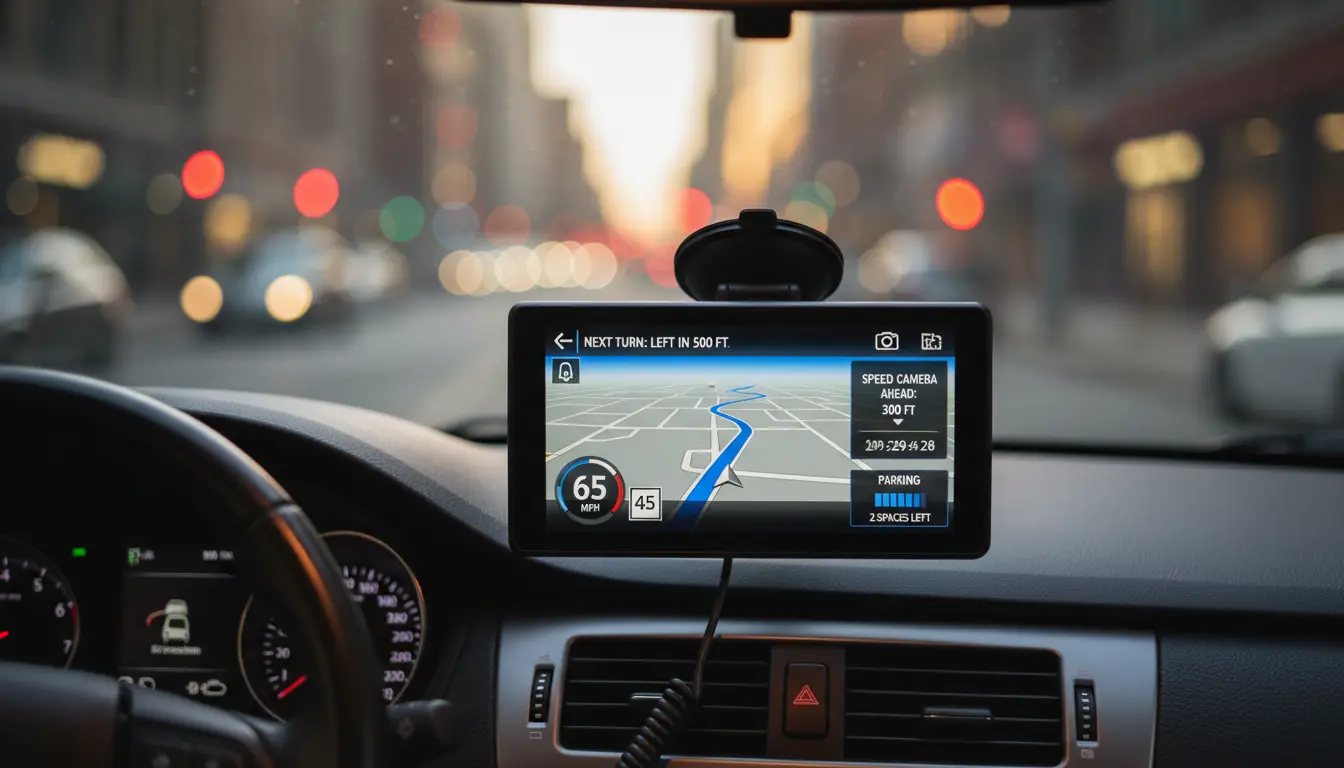

Park and speed camera alert apps have become essential tools for modern drivers who want safer, smarter, and more cost‑effective journeys. These apps help motorists avoid tickets, reduce speeding events, and find legal parking—while improving overall situational awareness on the road. In this comprehensive guide, you’ll learn how these apps work, the benefits and limitations, privacy and legality considerations, and how to choose the right solution for your needs. You’ll also find SEO‑friendly best practices embedded throughout, ensuring the content is informative, organic, and aligned with user intent.
What Are Park and Speed Camera Alert Apps?
Park and speed camera alert apps are mobile applications that notify drivers about nearby speed cameras, red‑light cameras, average speed zones, and available parking spaces. Most rely on a combination of:
- GPS location data to determine your position in real time
- Map and road datasets to align alerts with routes
- Community‑sourced reports (crowdsourcing) for up‑to‑date camera and hazard locations
- Historical patterns and ML models to predict enforcement zones or parking availability
These components work together to deliver timely warnings, such as “Speed camera ahead” or “Parking availability low,” allowing drivers to adjust behavior and plan accordingly.

How Do These Apps Work Under the Hood?
- Geofencing and speed thresholds: The app checks whether you’re approaching a known enforcement point or entering a zone with a posted limit. If your speed exceeds the threshold, it triggers an alert.
- Community feedback loops: Drivers can report new or mobile speed traps, closed streets, or changed limits. Verified signals improve accuracy over time.
- Predictive availability for parking: Some apps use historical occupancy data, sensor feeds, and time‑of‑day patterns to estimate on‑street and garage availability.
- Offline caches and map tiles: In low‑signal areas, apps rely on cached maps and stored database entries for continued coverage.
Benefits for Everyday Drivers
- Fewer tickets and fines: Early alerts reduce accidental speeding and red‑light violations.
- Safer, calmer driving: Knowing enforcement zones encourages steadier speeds and better following distances.
- Lower fuel and maintenance costs: Consistent speeds reduce aggressive acceleration and braking.
- Efficient parking: Apps that surface prices, restrictions, and likely availability save time and stress in dense urban areas.
- Better trip planning: Integrated navigation, speed limit displays, and live incidents help you choose smarter routes.
Legal and Ethical Considerations
Laws vary by country and region. In some places, speed camera warning tools are permitted; in others, they’re restricted or illegal. Before using an alert app:
- Check local regulations regarding camera alerts, radar detectors, and map‑based warnings.
- Respect data privacy: Choose apps with transparent data policies and opt‑out controls for location sharing.
- Drive responsibly: Alerts are aids, not a license to skirt traffic laws. Always follow posted limits and signals.
Ethically, responsible use means leveraging alerts to maintain safe speeds—not to game enforcement. The strongest long‑term benefit of these apps is better compliance and fewer road incidents, not merely avoiding penalties.
Key Features to Look For
- Database freshness: Frequent updates and active communities are critical for accuracy.
- Clear, non‑intrusive alerts: Voice or haptic alerts that are timely but not distracting.
- Speed limit display and intelligent tolerance: Shows current limit and accounts for small variances.
- Parking intelligence: Dynamic pricing, rules (time limits, residential zones), and real‑time or predictive occupancy.
- Offline mode and battery optimization: Essential for long trips and spotty coverage.
- Privacy controls: Granular permissions, anonymized reporting, and transparent data retention.
- Platform compatibility: CarPlay/Android Auto integration for safer, eyes‑up usage.
Common Limitations and How to Mitigate Them
- Incomplete data: New or temporary mobile cameras may not be in the database yet. Mitigation: choose apps with strong community reporting and fast moderation.
- Alert fatigue: Too many warnings can cause drivers to tune out. Mitigation: adjust sensitivity, limit alert types, and prioritize critical notices.
- GPS drift and latency: Urban canyons or tunnels can degrade accuracy. Mitigation: enable high‑accuracy mode and use apps with good offline handling.
- Legal gray areas: If traveling internationally, pre‑check rules for each jurisdiction and adjust features accordingly.
Privacy Best Practices
- Opt into minimal necessary data sharing for features you use.
- Regularly review permissions for location, motion data, and background updates.
- Favor apps that explain encryption practices and allow data export/delete.
- Turn off community reporting if you’re uncomfortable sharing observations.
Choosing the Right App for You
- Commuters: Prioritize reliable alerts, lightweight battery use, and simple UI.
- City drivers: Look for robust parking intelligence, zone rules, and dynamic pricing info.
- Road‑trippers: Offline maps, long‑distance route planning, and voice alerts matter most.
- Privacy‑focused users: Select vendors with clear, audited privacy policies and local data storage options.
Tips for Safer, Smarter Use
- Mount your phone securely at eye level; avoid manual interaction while in motion.
- Use voice control and car system integrations (CarPlay/Android Auto).
- Keep your app updated and contribute accurate reports when safe and legal.
- Treat alerts as guidance to maintain compliance—not as a game of cat and mouse.
The Bigger Picture: Safety and Compliance
When used responsibly, park and speed camera alert apps foster safer roads by promoting consistent compliance, reducing sudden braking near cameras, and encouraging smoother traffic flow. Combined with better signage and road design, these tools can help lower accident rates, emissions, and driver stress. The most “organic” outcome isn’t merely avoiding tickets, but building lasting safe‑driving habits supported by timely, contextual information.
SEO and Content Strategy Notes
For readers and publishers optimizing content around this topic, prioritize search intent: drivers want practical guidance, legal clarity, and actionable tips. Use natural language, avoid keyword stuffing, and include related terms that match genuine user questions. This approach builds topical authority and readability, and it aligns with modern search systems emphasizing helpful, user‑first content.
Park and speed camera alert apps have matured into comprehensive driving companions, blending real‑time alerts, community intelligence, and parking insights. Choose an app that balances accuracy, privacy, and usability—and remember that the ultimate goal is safer, calmer, and more compliant driving.