
Best Portable TV/Display Solutions (AC/DC): A Comprehensive Guide
If you spend time on the road, camp off-grid, or want a flexible screen for small spaces, portable TV/display solutions with both AC and DC power support are game-changers. They combine plug-and-play convenience at home with 12V vehicle compatibility in RVs, trucks, and boats. In this guide, we’ll break down the types of portable TVs and displays, key features to compare, power options and battery life, connectivity, picture/sound performance, durability, and real-world use cases. You’ll also find practical buying tips, common pitfalls to avoid, and product recommendations to get you started. Whether you’re looking for a compact 12V TV for a camper van or a battery-powered mini display for tailgating, this article will help you choose confidently.
What qualifies as a portable TV/display?
A portable TV/display is any screen that’s lightweight, compact, and designed for easy transport, typically supporting DC power (12V or USB-C PD) for off-grid use and AC power for home use. These fall into three main categories:
- 12V portable TVs: Traditional TV form factor with integrated tuner, often 1080p, designed for RVs and camping.
- Battery-powered smart TVs and monitors: Include internal batteries or support power banks via USB-C PD.
- Portable monitors: Ultralight USB-C or HDMI displays that pair with phones, laptops, consoles, or streaming sticks; some include speakers and stands.
AC vs DC: Why dual power matters
- AC (wall power): Reliable at home, in hotels, and with generators. Perfect for uninterrupted viewing and full brightness modes.
- DC (12V socket, power stations, or USB-C PD): Essential on the road. DC compatibility means you can run the display from your vehicle battery, a portable power station, or a high-capacity power bank. Look for:
- 12V car adapter support (cigarette lighter plug).
- USB-C PD 30W–65W input for monitors or smart displays.
- Low power draw (under 40–60W for TVs; 5–15W for portable monitors).
Pro tip: If you plan to power via a car socket or power station, check the continuous wattage draw and inrush current. Some TVs spike on startup; a quality inverter or a DC-DC step-down regulator can help.
Key features to compare
- Size and resolution: 15.6–24 inches is the sweet spot for portability. 1080p is common and power efficient. 4K portable monitors exist, but they draw more power and require stronger sources.
- Panel type and brightness: IPS panels offer better viewing angles; VA often has deeper contrast. Aim for 250–400 nits for daylight use; more is better for RV windows or patio viewing.
- Tuners and smart OS: If you need over-the-air (OTA) channels, choose models with built-in ATSC tuners (US) or DVB (EU). For streaming, integrated smart OS (Fire TV, Google TV, Roku) saves hassle—but a streaming stick on HDMI also works great.
- Connectivity: HDMI, USB-C DisplayPort Alt Mode, headphone jack, Bluetooth for audio, dual-band Wi‑Fi for streaming, and at least one USB for media playback or powering a streaming dongle.
- Audio: Down-firing speakers are common; consider Bluetooth pairing to a portable speaker or soundbar for better sound outdoors.
- Mounting and stands: Built-in kickstands, VESA mount compatibility, and included car/boat mounting accessories matter more than you think on the road.
- Battery options: Some models include batteries; others rely on external power banks. If using USB-C PD, verify the supported profiles (e.g., 9V/12V/15V/20V).
- Weight and build: Look for ruggedized casings, corner bumpers, and water resistance if you camp near moisture or dust.
Power planning and runtime estimates
Calculate runtime by dividing your battery capacity (in watt-hours, Wh) by the device’s wattage. For example:
- A 60Wh power bank with a 10W portable monitor: roughly 4–5 hours (accounting for conversion losses).
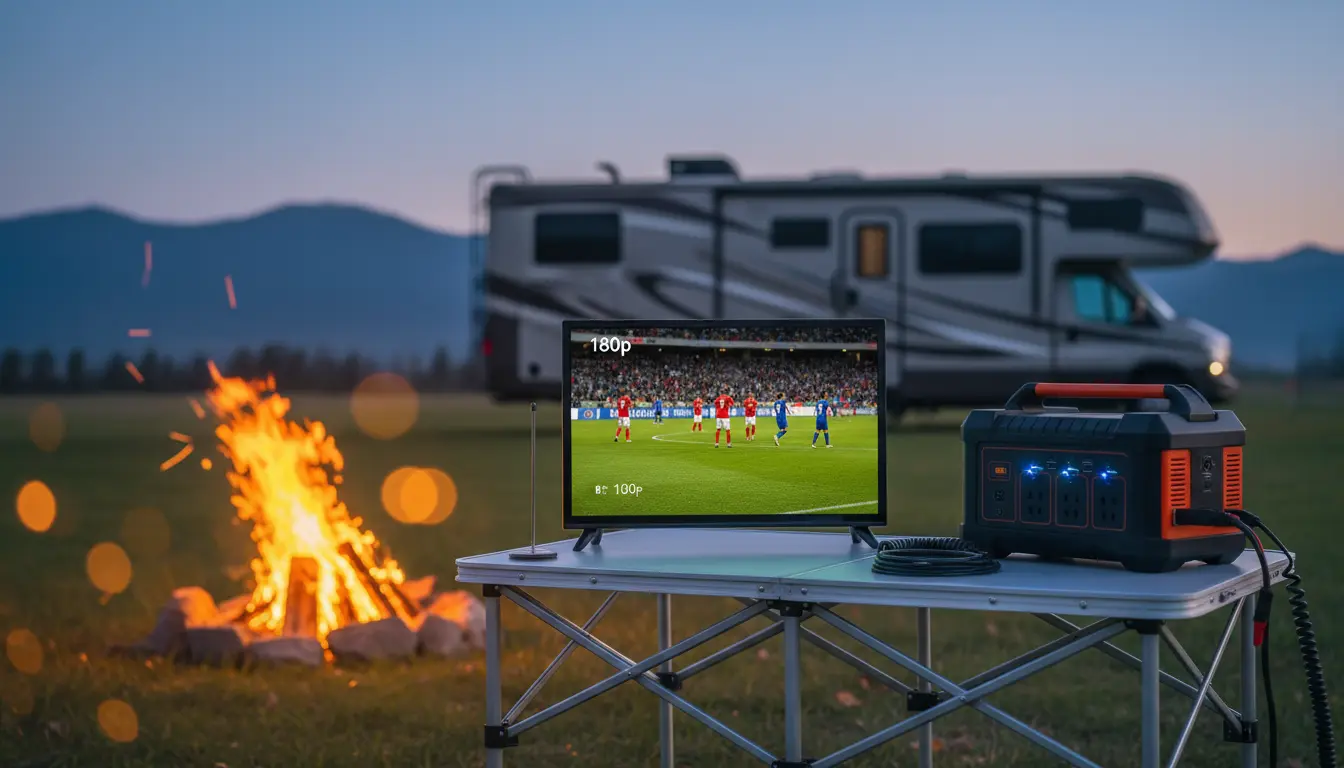
- A 300Wh power station with a 30W 12V TV: roughly 8–9 hours of continuous viewing.
To extend runtime: - Lower backlight/brightness.
- Use audio via a low-power Bluetooth speaker or wired headphones.
- Prefer DC power over AC inverter to reduce conversion loss.
Picture quality and performance in the real world
- Indoors: Most portable TVs look crisp at 1080p on 15–24 inches. Enable “Game” or “PC” mode to reduce input lag if you’ll connect a console.
- Outdoors: Glare is the enemy. Prioritize anti-reflective coatings and higher brightness. A simple matte screen protector can help.
- Motion handling: For sports, look for 60Hz panels with decent response times. Software “motion smoothing” is often unnecessary at small sizes.
Durability and portability
For camping and RV life, durability can trump fancy features. Consider:
- Reinforced bezels and metal backs on portable monitors.
- Protective cases or sleeves for transport.
- Operating temperature range and ventilation—avoid direct sun when possible.
- Secure cabling and strain relief, especially in vehicles.
Common use cases
- RVs and camper vans: 12V TVs with built-in tuners are ideal. Add a compact OTA antenna for local channels at campsites.
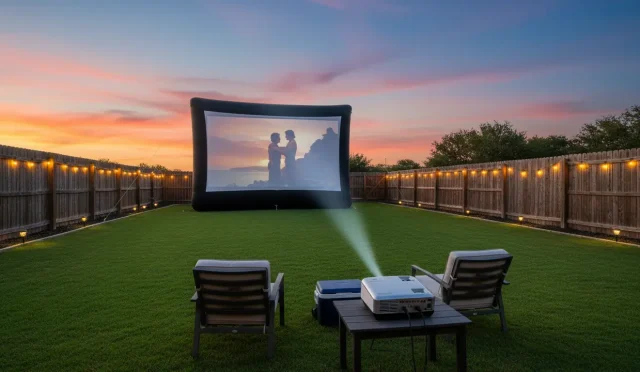
- Tailgating and outdoor movie nights: Battery-capable smart TVs or a portable monitor + streaming stick + power station combo.
- Truckers and boaters: DC power is critical; compact 12V sets with mounting kits shine here.
- Work + play on the go: A 15.6–18-inch portable USB-C monitor serves as both a second screen for productivity and a gaming/streaming display after hours.
Buying checklist
- Confirm dual power: native 12V or USB-C PD plus AC adapter.
- Verify ports: at least one HDMI, plus USB-C if you want single-cable laptop/phone use.
- Look for OTA tuner if you want free local channels.
- Check included accessories: car power cord, remote, stand, VESA mount, carrying case.
- Read real-world power draw measurements, not just “adapter rating.”
- Warranty and support: Useful for travel-heavy usage.
Pitfalls to avoid
- Assuming any “portable monitor” has a tuner—most do not. If you want OTA TV, pick a model explicitly labeled with ATSC/DVB.
- Overlooking brightness specs for outdoor use.
- Forgetting about audio quality—plan for Bluetooth speakers if needed.
- Buying a 4K panel for 12V use without verifying your power capacity.
Final thoughts
The best portable TV/display for you depends on where you’ll watch, how you’ll power it, and whether you need a tuner. If you primarily stream, a portable monitor plus a small streaming stick is lightweight and efficient. If you want channel surfing at campgrounds, a dedicated 12V TV with a tuner and remote may be more convenient. With smart planning around power and connectivity, you can enjoy crisp, reliable entertainment anywhere.
Amazon product suggestions for portable TV/display
- SuperSonic SC-1311 13.3-Inch 12V LED Widescreen HDTV
A compact 12V-ready TV with 1080p support, HDMI input, USB media playback, and a built-in ATSC tuner for free OTA channels. Ideal for RVs, trucks, and small cabins; runs on vehicle power or AC and fits tight spaces without sacrificing basic connectivity.
- Tyler TTV705-14 14-Inch Portable TV with Rechargeable Battery
Designed for off-grid viewing with an internal rechargeable battery, AC/DC power adapters, HDMI input, and an antenna for OTA broadcasts. Great for camping and tailgating when you want a self-contained screen that doesn’t rely on constant external power.
- G-STORY 15.6-Inch Portable Gaming Monitor (1080p, USB-C/HDMI)
An ultralight IPS display that pairs perfectly with laptops, Nintendo Switch, or a streaming stick. Powered via USB-C PD or a small power bank, it delivers sharp visuals, integrated speakers, and a slim form factor for travel-friendly entertainment and work.
Note: Product availability and exact specs can change; check listings on Amazon for the latest details and compatibility with your power setup.