
Best Robot Vacuums for Pet Hair and Mud in Washington
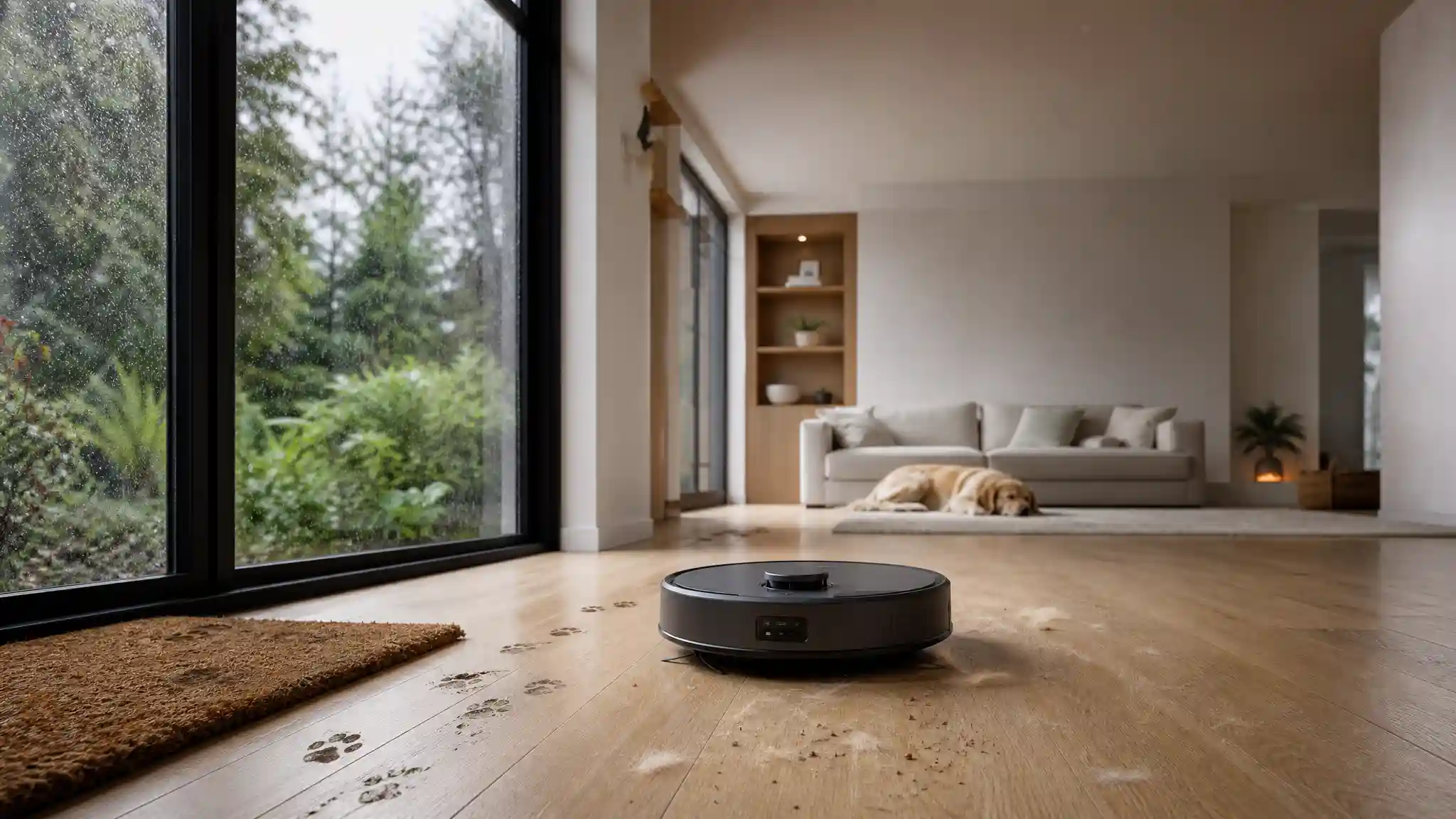
Washington’s damp climate creates a unique challenge for pet owners. Rain-soaked trails, muddy paws, and shedding fur combine to test even the toughest cleaning equipment. Homeowners across Seattle, Tacoma, and Spokane increasingly turn to robot vacuums to manage this year-round mess. These smart devices save time, reduce allergens, and keep floors clean without constant manual effort.
Why Washington Homes Need Specialized Cleaning Solutions
Washington experiences frequent rainfall, especially between October and May. Dogs and cats track mud indoors after every walk, and that mud dries into stubborn dust that settles into carpet fibers and hardwood cracks. Pet owners also battle constant shedding, particularly during seasonal coat changes. A powerful robot vacuum tackles both problems simultaneously by lifting embedded debris and trapping loose fur before it spreads through the house.
Traditional vacuums require homeowners to schedule cleaning sessions manually. Busy families often skip days, allowing mud and hair to accumulate. Robotic cleaners solve this issue by running on automated schedules, ensuring floors stay clean even when residents forget or lack time.
Key Features That Matter for Pet Owners
Not every robot vacuum handles pet hair and mud equally well. Buyers should prioritize several features when selecting a model for a Washington household.
Strong suction power removes ground-in dirt from carpets and rugs. Weak suction leaves mud residue behind, especially in high-traffic entryways.
Tangle-free brush rolls prevent pet hair from wrapping around the vacuum’s rotating brush. Standard bristle brushes clog quickly with long fur, reducing performance over time.
Self-emptying bins benefit households with multiple pets. These bins collect debris automatically, reducing the frequency of manual maintenance.
Mopping capability helps eliminate muddy footprints from hard floors. Combination vacuum-mop robots wipe away dried mud stains that standard vacuums cannot lift.
Smart mapping technology allows the device to navigate efficiently around furniture, pet bowls, and toys. This feature reduces missed spots and prevents the robot from getting stuck.
HEPA filtration captures fine allergens released from pet dander, improving indoor air quality for sensitive family members.
How Robot Vacuums Handle Washington’s Wet-Weather Messes
Mud presents a different challenge than dry dirt. When wet, it smears across floors; when dry, it crumbles into fine particles that spread easily. Robot vacuums equipped with rubberized brush rolls perform better in these conditions because they avoid clogging while gliding easily over damp surfaces.
Many newer models include mud-resistant wheels and washable filters designed specifically for households with active outdoor pets. Some units also detect dirtier zones near doors and apply extra suction power automatically. This targeted cleaning approach helps homeowners avoid tracking mud deeper into the house.
Best Practices for Maintaining a Robot Vacuum in a Pet-Friendly Home
Owners should establish a consistent maintenance routine to keep their robot vacuum functioning properly. Regularly check the brush roll for tangled fur, especially after grooming sessions. Empty the dustbin frequently, since pet hair and dried mud fill containers faster than typical household dust.
Clean the sensors weekly to prevent navigation errors. Mud splashes can obscure cliff sensors, causing the robot to misjudge stairs or ledges. Washing the mop pads after each cycle also prevents bacteria buildup and keeps floors hygienic.
Homeowners should place a designated “no robot zone” near muddy entry points during particularly wet seasons. This strategy prevents the device from spreading fresh mud before it dries. Instead, schedule cleaning cycles an hour after outdoor activity, once mud has partially dried and become easier to lift.
Choosing the Right Model for Multi-Pet Households
Families with more than one pet should consider vacuums with larger dustbins and stronger battery life. Multi-pet homes generate significantly more hair, requiring frequent emptying and longer runtime. Look for models offering at least 120 minutes of continuous operation on carpet settings.
App-controlled scheduling also proves valuable for coordinating cleaning around pet nap times or feeding schedules. Many apps allow users to create no-go zones around litter boxes or food bowls, preventing accidental spills or contamination.
Amazon Product Recommendation
For Washington households dealing with heavy shedding and muddy paw prints, the Roborock Q Revo delivers dependable performance. It combines strong suction, self-cleaning mop functionality, and obstacle-avoidance technology suited for busy pet-owning families. Its auto-empty base reduces maintenance frequency, making it a practical choice for multi-pet homes.
Final Thoughts
Robot vacuums have become essential tools for pet owners living in Washington’s rain-heavy climate. They address two persistent problems—shedding fur and muddy floors—without demanding constant manual labor. By selecting a model with strong suction, tangle-resistant brushes, and mopping capability, homeowners can maintain cleaner floors throughout the year. Consistent maintenance, combined with smart scheduling, ensures these devices continue performing efficiently despite heavy pet traffic and unpredictable weather.
Investing in the right robotic cleaner ultimately saves time, reduces allergens, and keeps homes comfortable for both pets and their owners.