
The Best Smart Speakers in 2025: A Comprehensive Guide to Voice Assistant Powerhouses
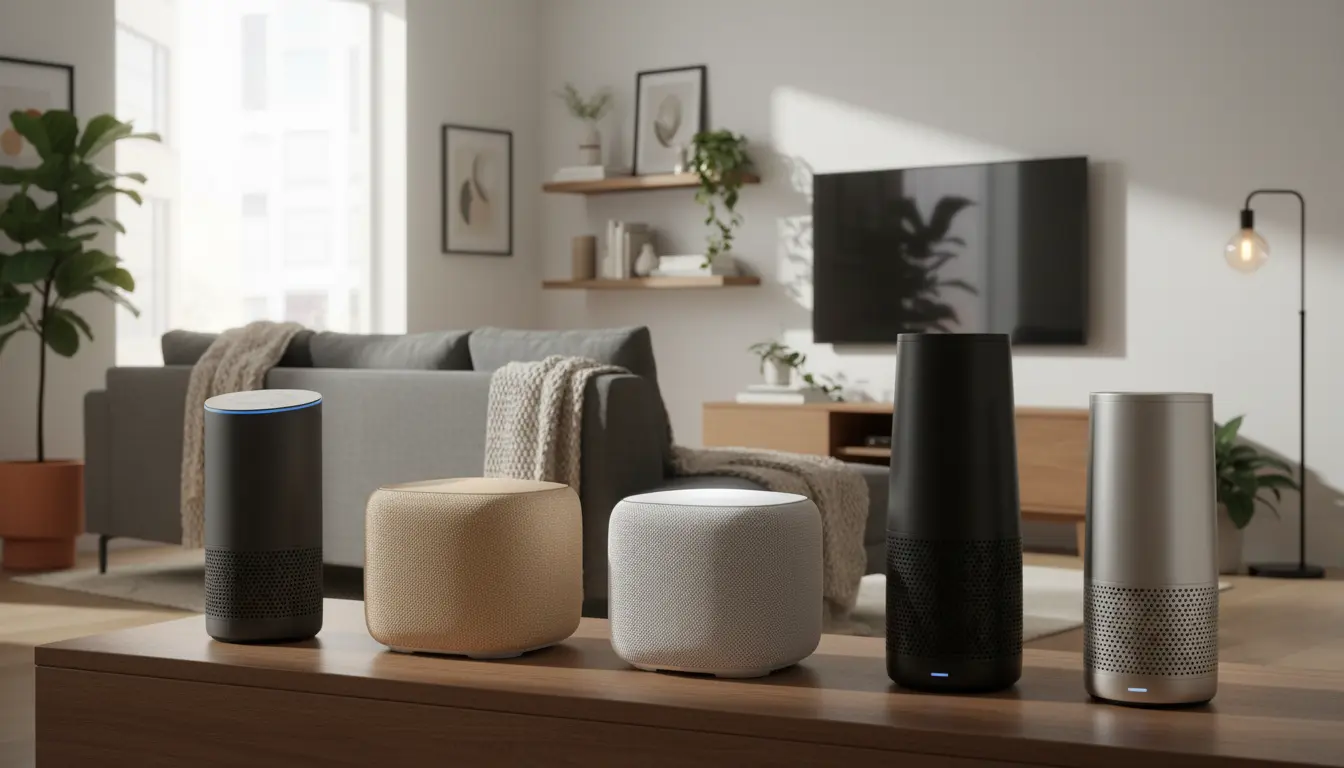
Smart speakers have evolved far beyond simple music players with microphones. In 2025, they serve as the central hub for connected homes, hands-free information, entertainment, and productivity. Whether you’re building a smart home, seeking superb sound quality, or wanting a privacy-first assistant, choosing the right smart speaker depends on voice AI accuracy, ecosystem compatibility, audio fidelity, and long-term software support. This guide explains what to look for, compares leading models, and offers practical tips to help you pick the best smart speaker for your needs.
Why smart speakers matter
Smart speakers merge voice assistants with quality drivers and far-field microphones. The result is effortless control: set timers while cooking, broadcast announcements to rooms, adjust lights, lock doors, play multiroom music, call family, and get quick answers—all without picking up your phone. The newest models feature improved natural-language understanding, on-device processing for faster responses and better privacy, and broader integration with smart home standards like Matter and Thread.
Key buying factors
- Voice assistant quality: Accuracy, speed, contextual understanding, and follow-up questions are crucial. Modern assistants increasingly handle multi-step tasks and on-device inference for low-latency commands.
- Ecosystem fit: If you use Apple services, HomePod integrates tightly with Siri, Home, and Apple Music. Google fans will prefer Nest Audio for YouTube Music and Google services. Amazon Echo excels for Alexa routines, shopping, and vast skill libraries. For multi-brand homes, Matter support is a strong plus.
- Audio performance: Consider driver size, woofer/tweeter configuration, room tuning, and support for spatial or stereo pairing. Music lovers should prioritize dedicated woofers and adaptive EQ.
- Smart home standards: Matter, Thread, Zigbee, and Wi‑Fi 6/6E support can simplify setup and improve reliability.
- Privacy controls: Physical mic mute switches, LED indicators, data dashboards, and on-device processing add transparency and peace of mind.
- Price and value: Entry-level models are great for bedside or kitchen use. Premium speakers offer room-filling sound and advanced features for living rooms and home theaters.
Top smart speakers to consider
- Amazon Echo (latest generation)
Best for Alexa ecosystem and routines
- Highlights: Strong far-field mics, fast responses, deep Alexa routine automations, extensive smart home device compatibility, Matter controller.
- Why it stands out: Alexa’s mature skills ecosystem and routine builder enable complex automations, like geofenced lighting and multi-device scenes.
- Consider if: You want a versatile assistant, broad device support, and frequent discounts.
- Watch outs: Audio is solid for the size, but audiophiles may want Echo Studio for richer sound.
- Amazon Echo Studio
Best affordable premium sound with Alexa
- Highlights: Larger drivers, improved bass, support for Dolby Atmos and spatial audio, pairs with Fire TV for home theater.
- Why it stands out: Delivers immersive audio at a competitive price, while retaining all Alexa capabilities.
- Consider if: You want one device for both voice control and cinematic audio impact.
- Watch outs: Bigger footprint; optimal placement matters for best spatial effect.
- Google Nest Audi
Best for Google services and natural queries
- Highlights: Excellent voice recognition for general knowledge and follow-ups, seamless Google account integration, YouTube Music, Chromecast built-in, Matter support via Google Home.
- Why it stands out: Google’s conversational search and knowledge graph shine for quick answers and multilingual households.
- Consider if: You’re invested in Google apps, calendar, and YouTube ecosystem.
- Watch outs: Audio is balanced but not as bass-heavy as some premium alternatives.
other
- Apple HomePod (2nd generation)
Best for Apple ecosystem and sound quality
- Highlights: Rich, room-filling audio, spatial awareness, deep integration with Siri, HomeKit, Apple Music, Matter support, privacy-forward on-device features.
- Why it stands out: Audiophile-friendly tuning plus seamless control of Apple devices and Home app automations.
- Consider if: You use iPhone, Apple TV, and Apple Music; value privacy and premium build.
- Watch outs: Works best within Apple’s ecosystem; limited cross-compatibility compared to Alexa/Google.
- Sonos Era 100 / Era 300
Best for multiroom audio purists
- Highlights: Superb sound tuning, stereo pairing, Trueplay room calibration, support for major music services, optional voice control (Sonos Voice Control), works with Alexa, AirPlay 2, Matter support evolving.
- Why it stands out: Sonos offers the most flexible, high-fidelity multiroom system, with reliable app control and frequent updates.
- Consider if: Music quality and multiroom synchronization are top priorities.
- Watch outs: Google Assistant support is not native on newer Sonos models; pricing is premium.
- Bose Smart Speaker 500/600
Best for clarity and room presence
- Highlights: Bose signature sound, spacious stage, Alexa built-in, Works with Google compatibility via casting, AirPlay 2, sleek design.
- Why it stands out: Clean, detailed sound with a pleasing balance for vocals and podcasts.
- Consider if: You want refined audio and a polished, minimalist look.
- Watch outs: App experience and ecosystem breadth are not as expansive as Sonos.
Privacy and security considerations
Modern smart speakers offer:
- Hardware mic mute: Physical switches cut power to microphones.
- Visual indicators: LEDs light when the assistant is listening or streaming audio.
- Data controls: You can view, delete, or disable voice recordings.
- On-device processing: Increasingly common for wake word detection and select commands, reducing cloud reliance and latency.
Tip: Regularly open your assistant’s privacy dashboard to review stored audio and permissions. Place speakers away from windows to reduce wake-word misfires from outside noise.
Audio tips for better sound
- Placement: Keep at least a few inches from walls to avoid boomy bass, unless the speaker’s DSP compensates for boundary effects.
- Room calibration: Use Trueplay (Sonos) or automatic room sensing (HomePod, Echo Studio) to adapt EQ to your space.
- Stereo pair or subwoofer: For living rooms, two identical speakers dramatically widen the soundstage; consider a compatible sub for fuller low end.
- Source quality: Prefer lossless-capable services where supported and ensure strong Wi‑Fi for glitch-free playback.
Smart home setup essentials
- Choose a primary ecosystem: Alexa, Google Home, or Apple Home. This simplifies automations and voice commands.
- Prefer Matter-ready devices: Cross-brand interoperability improves, making your setup future-proof.
- Routines and scenes: Create routines for wake-up, bedtime, and away modes. Trigger by voice, time, or presence.
- Network hygiene: Use WPA3 if supported, keep firmware updated, and segment IoT devices on a guest or VLAN SSID if possible.
Who should buy what?
- For Apple households: HomePod (2nd gen) is the smoothest choice with standout sound.
- For Google-first users: Nest Audio for budget-friendly control; add more units for multiroom.
- For Alexa power users: Echo for cost-effective versatility or Echo Studio for premium audio.
- For audiophiles and multiroom fans: Sonos Era 100/300 deliver the best ecosystem for whole-home music.
- For minimalist design with clear sound: Bose Smart Speaker series.
The bottom line
The best smart speaker isn’t one-size-fits-all—it’s the one that fits your ecosystem, space, and listening habits. Prioritize the assistant you’ll actually use daily, ensure Matter compatibility for longevity, and upgrade audio where it counts: living rooms and shared spaces. With today’s models, you can expect fast voice responses, robust privacy options, and room-filling sound that makes your connected home feel genuinely effortless.