
Color E Ink Panels: Low‑Power, Colorful Reading for the Future
Color e‑ink panels are transforming how we read and interact with digital content. While traditional e‑ink technology became popular in black‑and‑white e‑readers, the latest generation adds vivid color without sacrificing the ultra‑low power consumption that made e‑ink famous. This unique mix of energy efficiency, eye comfort, and visual appeal is pushing color e‑ink displays into new product categories, from tablets and smart notebooks to outdoor signage.
Unlike LCD or OLED screens, color e‑ink panels do not rely on constant backlighting or high refresh rates. Instead, they use tiny capsules or microcups filled with charged particles that rearrange when an electric field is applied. After the image is formed, it stays on the screen without drawing additional power. Color is created through color filters or pigment layers, allowing the display to show magazines, comics, charts, and educational content with much more nuance than grayscale e‑ink.
How Color E‑Ink Technology Works
At the core of color e‑ink technology is a reflective display system. The screen reflects ambient light, similar to printed paper, instead of emitting light directly. Micro‑capsules or microcups contain different colored particles that move to the top or bottom of the capsule when voltage is applied. By carefully controlling these particles across millions of pixels, the panel forms text and images in color.
There are several approaches to delivering color:
- Color filter arrays layered on top of a standard e‑ink panel
- Pigment‑based color particles mixed directly into the capsules
- Advanced multi‑layer structures that improve sharpness and saturation
Each generation of color e‑ink improves on contrast, resolution, and color depth. While it still does not match the intensity of OLED, the technology is optimized for static or slow‑changing content where readability and battery life are more important than animation.
Power Efficiency: Why Color E‑Ink Uses Less Energy
One of the strongest advantages of color e‑ink panels is their ultra‑low power usage. A color e‑ink display only consumes noticeable energy when the content on the screen changes. Once a page has been drawn, it can remain visible for hours or even days while using almost no additional power.
This makes color e‑ink an ideal option for:
- Travelers who need a device that lasts for weeks on a single charge
- Students reading digital textbooks and taking notes all day
- Professionals who carry lightweight, battery‑efficient devices
Because the screen is so efficient, manufacturers can design thinner and lighter devices with smaller batteries, while still offering excellent battery life. This is a major difference from LCD and OLED devices, which constantly draw power for backlighting and frequent refreshes.
Eye Comfort and Health Benefits of Color E‑Ink
Many people experience eye strain, headaches, or fatigue after long hours in front of backlit screens. Color e‑ink panels address these issues with their reflective nature. They work with existing light in the environment instead of shining bright light directly into the eyes.
Key eye‑friendly benefits include:
- Paper‑like reading experience similar to printed books
- Reduced blue light exposure compared to typical LCD or OLED screens
- Flicker‑free viewing, which helps sensitive users avoid discomfort
When paired with a gentle front light rather than a strong backlight, color e‑ink devices remain comfortable to use in bright sunlight, office lighting, or a dim room at night. For heavy readers and knowledge workers, this can significantly improve day‑to‑day comfort.
Content That Shines on Color E‑Ink Displays
Color e‑ink panels are especially effective for content that benefits from color but does not require fast motion. Examples include:
- Children’s books and illustrated novels
- Comics, manga, and graphic novels
- Cookbooks, travel guides, and photography‑rich manuals
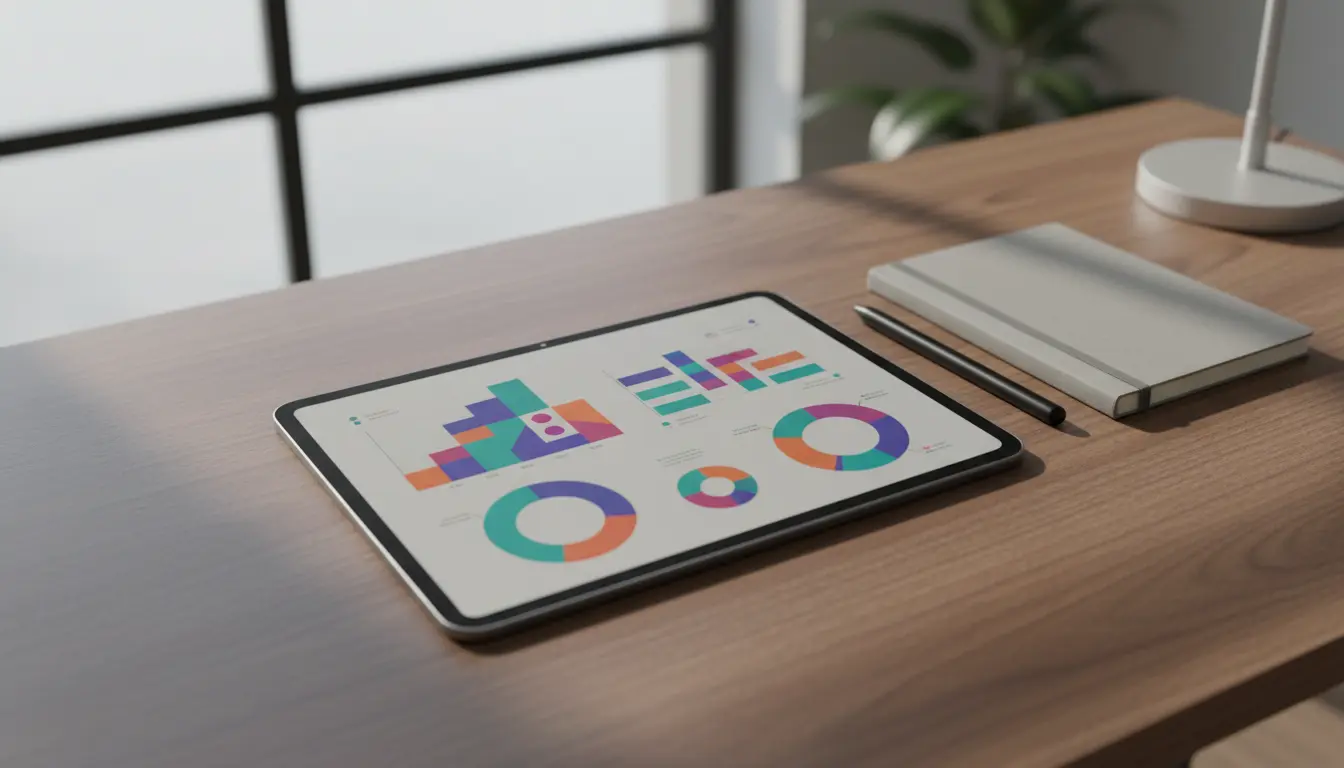
- Charts, diagrams, and infographics in educational material
In classrooms, color e‑ink tablets and digital paper devices can help students better understand complex diagrams, follow color‑coded explanations, and stay focused without the distractions of a full multimedia tablet. Professionals can use color e‑ink notebooks for planning, mind maps, and visual note‑taking that sync with the cloud.
Sustainability and Environmental Impact
From a sustainability point of view, color e‑ink offers several clear advantages. The low power consumption of these panels helps reduce the long‑term environmental footprint of digital reading and signage. Devices can run longer between charges, use smaller batteries, and often have fewer components that wear out quickly.
For outdoor and semi‑permanent installations, such as public information boards or retail displays, color e‑ink can operate on solar power or small batteries. This leads to:
- Lower electricity costs
- Fewer maintenance visits
- Less electronic waste over time
By combining durability, low power use, and good readability, color e‑ink panels support greener digital signage and sustainable reading solutions.
Limitations Compared to LCD and OLED Screens
Despite their strengths, color e‑ink panels are not perfect for every use case. They have some limitations when compared to conventional displays:
- Slower refresh rates, which makes them unsuitable for fast video or gaming
- Less vivid color saturation than high‑end OLED screens
- Slight ghosting in some models during rapid page turns or screen updates
However, these trade‑offs matter less for static or slow‑changing content such as e‑books, magazines, digital newspapers, dashboards, and signage. In these scenarios, the benefits of eye comfort and long battery life often outweigh the drawbacks.
Real‑World Applications of Color E‑Ink Panels
As color e‑ink technology has matured, more devices and industries are adopting it:
- E‑readers with color support for book covers, comics, and study materials
- Digital planners and smart notebooks that allow color highlights and sketches
- Retail shelf labels that show dynamic pricing and promotions
- Logistics tags and labels that display status, barcodes, and color codes
- Public transit schedules that remain readable in all lighting conditions
These use cases highlight how versatile and practical low‑power color displays can be when designed for text‑ and image‑centric applications.
The Future of Low‑Power Color Reading
The future of color e‑ink panels looks promising as resolutions increase, color reproduction improves, and manufacturing becomes more affordable. It is unlikely that color e‑ink will replace every type of screen, but it is already carving out a strong niche for:
- Long‑form reading and research
- Note‑taking, planning, and productivity
- Static information boards and signage
For readers, students, and professionals who prefer distraction‑free, eye‑friendly, and energy‑efficient devices, color e‑ink offers a powerful alternative to bright, fast, but more tiring traditional screens. As more publishers and hardware makers optimize for this technology, low‑power color reading will become even more accessible.