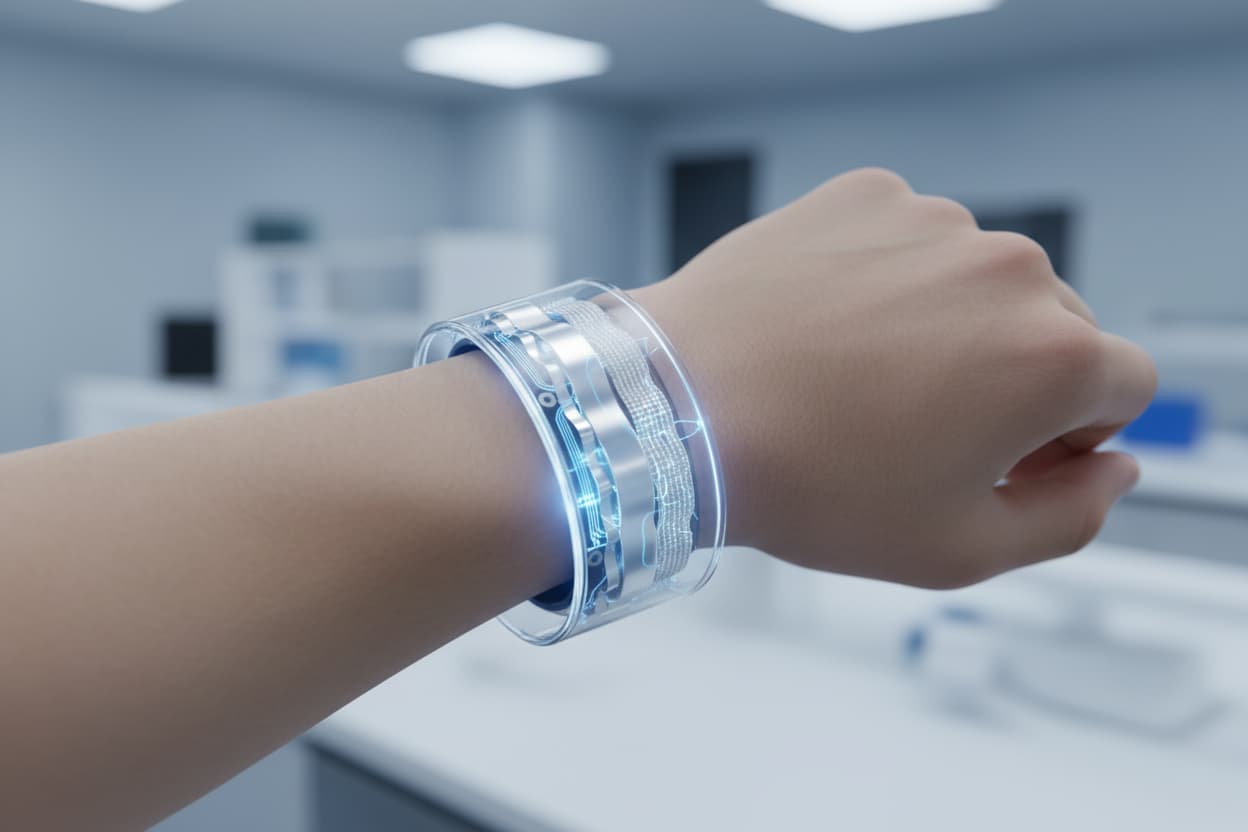

As our devices shrink, wearables proliferate, and the Internet of Things (IoT) expands, the demand for power sources that are thin, bendable, and safe has never been higher. Conductive polymer batteries—often called flexible polymer batteries or polymer-based energy storage—are emerging as a transformative solution. By leveraging intrinsically conducting polymers (ICPs) and advanced polymer electrolytes, these batteries deliver unique combinations of flexibility, safety, and form-factor versatility that traditional lithium‑ion cells struggle to match. This article explains what conductive polymer batteries are, how they work, their core materials, advantages and limitations, current applications, and the road ahead—optimized for SEO with natural, LSI-rich terminology.
What Are Conductive Polymer Batteries?
Conductive polymer batteries use polymers that conduct electricity as active components within electrodes, current collectors, or electrolytes. While “polymer battery” can sometimes refer to lithium‑polymer (Li‑Po) cells that use polymer gel electrolytes, conductive polymer batteries go further by integrating electronically conducting polymer chains—such as polyaniline (PANI), polypyrrole (PPy), or poly(3,4‑ethylenedioxythiophene) (PEDOT)—into the battery architecture. This enables flexible, lightweight, and sometimes printable or stretchable energy storage devices that can conform to curved surfaces and survive bending cycles.
How Do They Work?
At a high level, these batteries still follow the familiar rechargeable battery paradigm: ions shuttle between the cathode and anode through an electrolyte during charge and discharge. Conductive polymers can serve multiple roles:

- Electrode matrices: Conductive polymers host active materials (e.g., sulfur, manganese oxides) while providing electronic pathways, improving conductivity without heavy metal additives.
- Active redox materials: Some conductive polymers themselves store charge via doping/de-doping (redox) processes, delivering pseudocapacitive or battery-like behavior.
- Flexible current collectors: Polymer composites filled with carbon nanotubes (CNTs), graphene, or metallic nanowires replace rigid foils, maintaining conductivity under mechanical strain.
- Solid or gel polymer electrolytes: Polymer matrices (e.g., PEO-based) hold lithium salts, forming thin, leak-free electrolytes that enhance safety and enable ultra-thin formats.
By combining these roles, manufacturers can create pouch-like, roll-to-roll processed cells or even printable batteries that retain performance while bent, folded, or twisted.
Key Materials and Architectures
- Conductive polymers: PEDOT:PSS is prized for processability and stability; PANI and PPy offer high pseudocapacitance but may require stabilization strategies to prevent degradation.
- Hybrid composites: Blending polymers with carbon black, CNTs, or graphene boosts conductivity, rate capability, and mechanical robustness.
- Polymer electrolytes: Gel or solid polymer electrolytes improve safety by eliminating flammable liquid solvents and provide thin, conformal layers for flexible stacks.
- Stretchable designs: Serpentine interconnects, kirigami cuts, and elastomeric substrates allow batteries to stretch and compress without losing electrical contact.
- Thin-film deposition: Techniques like inkjet printing, spray coating, or slot‑die coating enable scalable manufacturing on plastic substrates.
Advantages Over Conventional Batteries
- Mechanical flexibility: They can bend, fold, or wrap around small radii, ideal for wearables, smart textiles, and medical patches.
- Safer chemistries: Reduced reliance on volatile liquid electrolytes and the use of polymer matrices lowers leakage risk and improves thermal stability.
- Lightweight and ultra-thin: Polymer-rich architectures remove heavy metal foils, enabling millimeter- or sub-millimeter profiles.
- Design freedom: Batteries can be shaped to fit unconventional footprints, opening new product form factors.
- Fast charge/discharge potential: Pseudocapacitive behavior of certain polymers supports high power density for quick bursts of energy.
Current Limitations
- Energy density: Many conductive polymer batteries trail state-of-the-art lithium‑ion cells in specific energy, although pairing polymers with high-capacity materials (e.g., sulfur) narrows the gap.
- Cycle life and stability: Some polymers suffer from swelling, structural fatigue, and redox instability; encapsulation and molecular engineering are active areas of R&D.
- Moisture and oxygen sensitivity: Certain polymer electrolytes and electrode interfaces degrade with humidity; robust packaging is essential.
- Manufacturing consistency: Achieving uniform conductivity and adhesion across large flexible areas can be challenging at mass scale.
Use Cases and Applications
- Wearables and smart textiles: Flexible batteries integrated into bands, garments, and patches power sensors, haptics, and displays without bulky rigid cells.
- Medical devices: Conformal, skin-safe power for ECG patches, insulin delivery systems, and bio-sensing stickers that require gentle, body-hugging electronics.
- IoT and labels: Thin, printable batteries for smart packaging, asset tracking, and NFC-enabled devices where thickness and flexibility are crucial.
- Flexible consumer electronics: Rollable displays, foldable phones, and e-paper devices benefit from equally flexible energy storage.
- Robotics and soft actuators: Lightweight, shape-compliant power sources pair well with soft robotics and biomimetic systems.
Performance Considerations
When evaluating or designing conductive polymer batteries, consider:
- Areal energy density: For flexible devices, energy per unit area (mWh/cm²) may be more relevant than per mass.
- Bending durability: Look for performance retention after thousands of bending cycles at specified radii.
- Rate capability: Conductive polymer matrices can excel at high C-rates; ensure heat management and interface stability.
- Safety and compliance: Biocompatibility for on-skin applications, non-toxic electrolytes, and robust encapsulation are critical.
- Integration method: Lamination, sewing into textiles, or direct printing each comes with trade-offs in durability and throughput.
Sustainability and Safety
Polymers open eco-design opportunities, but sustainability depends on the full stack:
- Solvent systems: Water-dispersible polymers like PEDOT:PSS enable lower‑VOC processing; solvent recovery helps reduce environmental impact.
- Recyclability: Designing for disassembly and using recoverable fillers (e.g., carbon networks) improves end-of-life outcomes.
- Safer electrolytes: Solid and gel polymer electrolytes reduce fire risk and leakage, supporting safer consumer products and medical wearables.
Innovation Pipeline
- Molecular engineering: Side‑chain design and crosslinking are improving polymer stability and conductivity under strain.
- Solid-state systems: Polymer-based solid electrolytes with ceramic fillers (LLZO, LATP) target higher ionic conductivity and wider electrochemical windows.
- Printable batteries: Advancements in conductive inks and low‑temperature curing are accelerating roll‑to‑roll production for smart labels and e-textiles.
- Hybrid chemistries: Polymer hosts for sulfur (Li–S) or silicon anodes aim to combine flexibility with high energy density.
Buyer’s Checklist for Product Teams
- Define form-factor constraints (thickness, bend radius, stretch percentage).
- Set energy and power targets in realistic use profiles.
- Validate cycle life under mechanical stress (bending/twisting tests).
- Verify safety certifications and biocompatibility if skin contact is involved.
- Ensure packaging resists sweat, humidity, and washing (for textiles).
- Plan integration and rework processes for manufacturing lines.
Conductive polymer batteries are ushering in a new era of flexible energy, enabling designs that conform to the body, wrap around devices, and integrate seamlessly into fabrics and labels. While energy density and long-term stability still lag top-tier lithium‑ion cells, rapid innovations in polymer chemistry, composites, and solid electrolytes are closing the gap. For wearables, medical patches, flexible displays, and IoT tags, polymer-based power delivers the right mix of safety, thinness, and mechanical compliance. As manufacturing scales and materials mature, expect conductive polymer batteries to move from niche to mainstream—powering the truly flexible future of electronics.