
Daily Lighting With White Smart Bulbs: A Complete Guide
White smart bulbs are transforming the way we light our homes. Instead of static, one‑tone light, you can now adjust brightness, color temperature, and schedules with just a tap on your phone or a simple voice command. In this guide, you will learn what white smart bulbs are, how they work, why they are ideal for daily lighting, and how to choose the right model for your needs.
What Are White Smart Bulbs?
White smart bulbs are LED light bulbs that connect to your home network and can be controlled remotely. Unlike RGB bulbs that can produce millions of colors, white smart bulbs focus on high‑quality white light in different color temperatures. That means you can switch from warm, cozy light in the evening to cool, energizing light in the morning using a single bulb.
Most white smart bulbs connect via Wi‑Fi, Bluetooth, Zigbee, or Thread. Once connected to your smart home system, they respond to commands from mobile apps, smart speakers, or smart home hubs.
Warm vs. Cool White: Why Color Temperature Matters
Daily lighting is not only about brightness; it is also about how light feels. White smart bulbs usually support a wide range of color temperatures, often from 2700K to 6500K.
- Warm white (around 2700K–3000K): Soft, yellowish light similar to traditional incandescent bulbs. It is ideal for living rooms, bedrooms, and dining areas where you want a cozy atmosphere.
- Neutral white (around 3500K–4000K): Balanced light that works well for kitchens, hallways, and general task lighting.
- Cool white or daylight (5000K–6500K): Bright, crisp light that helps you stay alert and focused. This setting suits home offices, garages, and study areas.
You can adapt your lighting throughout the day. For example, you can start your morning with cool white to boost energy and switch to warm white in the evening to relax before sleep. This flexibility makes white smart bulbs perfect for daily routines.
Key Benefits of White Smart Bulbs for Everyday Use
White smart bulbs offer more than simple on/off control. They bring a set of features that can improve comfort, safety, and energy efficiency in your home.
1. Precise Brightness Control
You can dim white smart bulbs without a physical dimmer switch. A single bulb covers a wide range of brightness levels, from soft night light to full illumination. This allows you to tailor the light to each activity: bright for cleaning or working, softer for watching TV or winding down.
2. Energy Efficiency and Longer Lifespan
Most white smart bulbs are based on LED technology. LEDs consume significantly less power than traditional incandescent or halogen bulbs while offering a much longer lifespan. Over time, you reduce both electricity consumption and the frequency of bulb replacements. When used in combination with automation, you can avoid leaving lights on unnecessarily and save even more energy.
3. Scene and Schedule Automation
Schedules and lighting scenes are some of the most useful smart features for daily lighting:
- Wake‑up routine: Set your bedroom lights to gradually brighten in cool white before your alarm rings. This simulates a sunrise and helps your body wake up more naturally.
- Evening routine: Program warm, dimmed light to turn on automatically at sunset, creating a relaxed mood and supporting better sleep.
- Away mode: Simulate occupancy by turning lights on and off randomly while you are traveling, adding a layer of home security.
These automations run in the background and simplify daily life while keeping your lighting consistent and comfortable.
4. Voice Control and Hands‑Free Operation
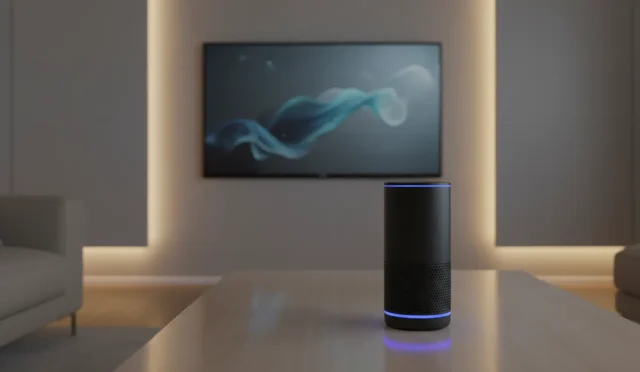
White smart bulbs integrate with popular voice assistants such as Amazon Alexa, Google Assistant, and Apple Home. Instead of searching for a switch in the dark, you can say simple commands like:
- “Turn on the living room lights.”
- “Dim the bedroom lights to 30%.”
- “Set the office lights to cool white.”
Hands‑free control is especially useful when your hands are full, when you have kids, or when accessibility is a concern.
How White Smart Bulbs Work in a Smart Home Ecosystem
White smart bulbs become even more powerful when you connect them with other smart devices. For example:
- Smart sensors: Motion sensors can turn on hallway or bathroom lights automatically at night and switch them off when no motion is detected.
- Smart plugs and switches: You can combine them with other appliances to create broader scenes like “Movie Night,” where the TV turns on and the lights dim together.
- Smart thermostats and blinds: Coordinated routines can create a comfortable environment by adjusting light, temperature, and natural sunlight at the same time.
By integrating white smart bulbs into a larger ecosystem, you can automate many parts of your daily life and make your home feel more responsive.
Choosing the Right White Smart Bulb
Not all smart bulbs are the same. When you select white smart bulbs for daily lighting, consider the following factors:
1. Compatibility
Check whether the bulb works with your existing smart home platform and voice assistant. If you already use Alexa, Google Home, or Apple Home, look for logos that confirm compatibility. This will ensure smooth setup and reliable operation.
2. Connectivity Type
White smart bulbs typically use one of several protocols:
- Wi‑Fi: Connects directly to your router. Easy to set up but can put extra load on the network if you install many bulbs.
- Bluetooth: Limited range and often works best in a single room or small living space.
- Zigbee or Thread: Requires a compatible hub or border router but offers more stability and lower power usage in large setups.
Your choice should depend on how many bulbs you plan to use and how robust you want your smart home system to be.
3. Brightness and Beam Angle
Brightness is usually measured in lumens. For main room lighting, you often need at least 800 lumens per bulb, which is similar to a traditional 60‑watt incandescent bulb. For smaller rooms or accent lighting, lower brightness may be enough. Also consider the beam angle: a wider beam covers more area, while a narrower beam focuses light on a specific spot.
4. Color Temperature Range
Look at the supported color temperature range. A bulb that covers warm to cool white is more versatile than one that offers only a fixed shade of white. A broad range allows you to tailor the light to your circadian rhythm and activities throughout the day.
5. App Experience and Firmware Updates
A user‑friendly mobile app makes a big difference. You should be able to create schedules, scenes, and groups quickly. Regular firmware updates are also important. They can improve performance, enhance security, and add new features over time.
Practical Tips for Daily Use
To get the most out of white smart bulbs in daily lighting, follow these simple tips:
- Group bulbs by room: Control multiple bulbs as a group so you can turn an entire room on or off with one command.
- Create basic scenes first: Start with a few essential scenes like “Work,” “Relax,” and “Night Light.” You can customize more complex routines later.
- Use gradual dimming at night: Program your bedroom and living room lights to dim over 15–30 minutes in the evening. This supports a natural wind‑down.
- Combine with natural light: Use cooler white only when you need extra focus; otherwise, supplement daylight with neutral or warm white to avoid eye strain.
- Review energy usage: Many apps show how long each light stays on. Adjust schedules if you notice bulbs are active when no one is home.
With a few thoughtful settings, white smart bulbs can provide comfortable, efficient, and responsive lighting every day.
Recommended White Smart Bulb on Amazon
For a reliable, feature‑rich option, consider the Philips Hue White A19 LED Smart Bulb on Amazon.com. It offers adjustable white light, excellent app support, integration with major voice assistants, and the option to expand into a full Philips Hue smart lighting system over time.