
Fall-Detection Garments: Enhancing Safety and Independence for Older Adults
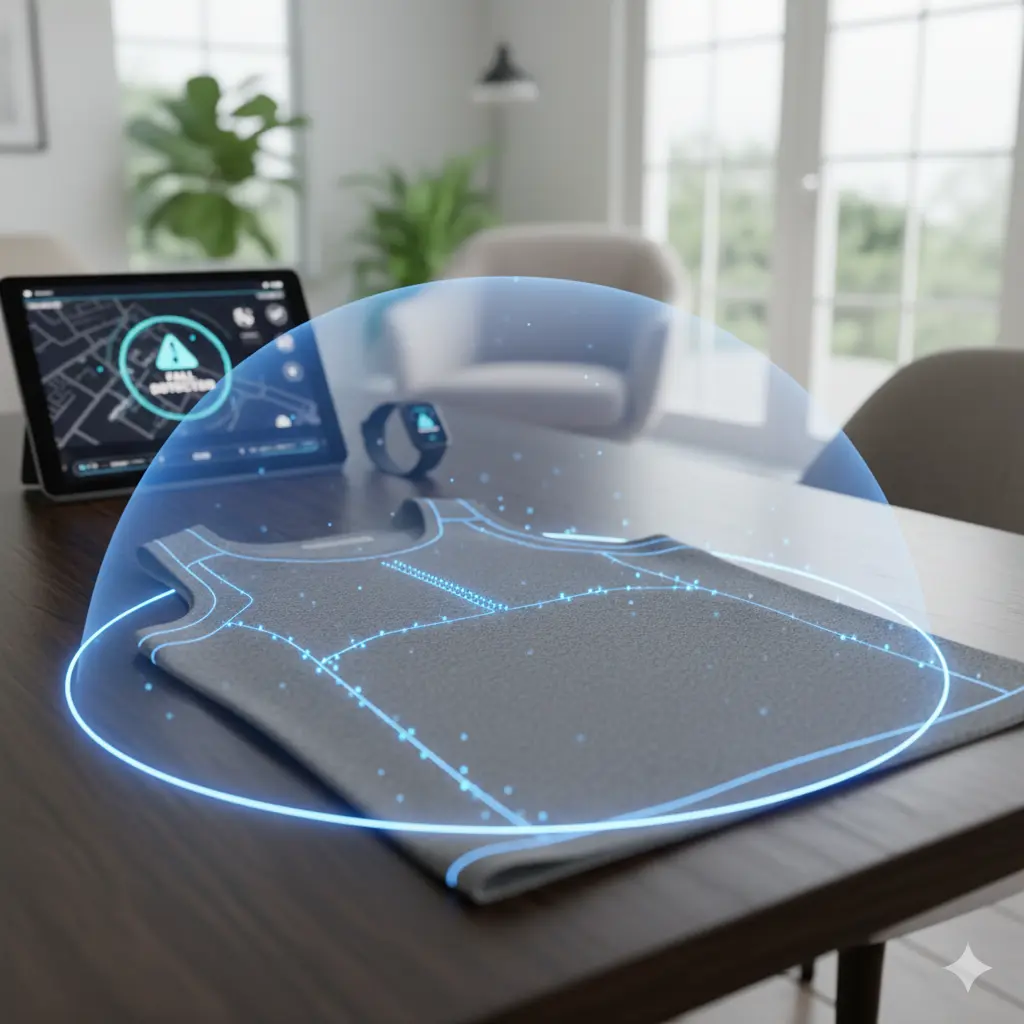
Fall-detection garments are wearable clothes embedded with sensors and smart electronics that detect falls and alert caregivers or emergency services. Designed specifically for older adults, these garments combine comfort, dignity, and reliable monitoring to reduce response times after a fall. They are an increasingly important tool for families, home-care providers, and assisted-living facilities that want to improve safety without intruding on daily life.
Why fall-detection garments matter
Falls are a leading cause of injury for older adults and can result in serious medical complications when help is delayed. Fall-detection garments shorten the time between an incident and the arrival of assistance. Faster response reduces the risk of prolonged immobility, complications such as dehydration or hypothermia, and unnecessary hospital stays. Beyond emergency response, these garments provide ongoing data that helps clinicians and caregivers identify changing mobility patterns and intervene early.
How they work — clear and reliable detection
Most fall-detection garments use accelerometers and gyroscopes to monitor body motion. These small sensors capture rapid changes in speed and orientation. Onboard processors or companion smartphone apps analyze the data in real time. When the system detects a pattern consistent with a fall—such as a sudden downward acceleration followed by extended inactivity—it triggers an alert. Alerts can be sent via Bluetooth, Wi‑Fi, or cellular networks to family members, care staff, or a monitoring center. Advanced models cross-check multiple signals (post-fall motion, heart rate changes, or pressure sensors) to reduce false alarms.
Key features to look for
- Sensor accuracy: High-quality accelerometers and smart algorithms improve true positive detection and minimize false alarms.
- Comfortable design: Soft, breathable fabrics and low-profile sensor modules increase daily wear compliance.
- Washability and durability: Removable electronics or waterproof housings enable safe laundering without damaging components.
- Battery life: Long-lasting batteries with clear charge indicators and quick-charging options make daily use practical.
- Connectivity options: Compatibility with smartphones, facility dashboards, and third-party care platforms increases usefulness.
- Privacy controls: Local data processing and encrypted transmission protect user information.
families, and care providers
- Faster assistance: Immediate notifications reduce the time a person remains unattended after a fall.
- Greater independence: can live comfortably at home with a safety net that doesn’t require constant supervision.
- Reduced caregiver stress: Family members receive reliable alerts rather than depending solely on routine check-ins.
- Actionable insights: Usage logs and incident histories help caregivers and healthcare professionals tailor prevention strategies.
- Non-stigmatizing solutions: Clothing-like devices feel less medical and promote dignity compared to pendant-style alarms.
Reducing false alarms and improving trust
False alarms erode confidence in monitoring systems. Leading fall-detection garments use layered strategies to limit false positives:
- Multi-sensor fusion: Combining motion data with heart-rate or pressure information confirms incidents.
- Context-aware algorithms: Devices check for typical non-fall activities (sitting down quickly, lying down to rest) and suppress unnecessary alerts.
- User-confirmation flows: When appropriate, the system prompts the wearer to confirm they are okay before escalating an alert.
- Regular firmware updates: Algorithm improvements are delivered through secure updates to keep detection accurate over time.
Integration with care systems and workflows
When integrated with broader care systems, fall-detection garments become far more effective:
- Facility dashboards can consolidate alerts, assign escalations, and track response times across residents.
- Home setups typically pair garments with smartphone apps that forward alerts to emergency contacts.
- Third-party monitoring services can verify events and contact emergency services, offering 24/7 coverage without adding family burden.
- Data exports enable clinicians to analyze trends and incorporate monitoring results into care plans and physical therapy programs.
Privacy, consent, and ethical deployment
Ethical deployment centers on clear consent and data protection. Best practices include:
- Transparent information: Explain what data is collected, how it’s stored, and who can access it.
- Configurable sharing: Allow wearers to choose which contacts or services receive alerts.
- Local processing for basic alerts: Minimize cloud dependence for immediate detection while encrypting any transmitted data.
- Respect for autonomy: Provide simple ways to disable monitoring temporarily, and design garments that preserve dignity and identity.
Cost considerations and accessibility
Prices range widely—from affordable sensor patches requiring a smartphone to subscription-based systems with cellular connectivity and professional monitoring. When evaluating cost:
- Compare upfront hardware prices with recurring monitoring fees.
- Factor potential savings from avoiding emergency room visits or preventing long-term care placement.
- Investigate insurance, Medicare, or local grant options that might cover assistive technology for eligible users.
Practical tips for buyers and caregivers
- Trial before scale: Pilot garments with a small user group to measure comfort and detection accuracy.
- Train users and staff: Teach wearers how to put on garments, recharge components, and respond to alerts.
- Maintain devices: Follow laundering and charging guidelines to ensure reliability.
- Combine interventions: Use garments alongside environment modifications (grab bars, improved lighting) and exercise programs to reduce fall risk.
- Review data: Regularly analyze incident logs to identify patterns and adjust care plans.
Real-world impact and future outlook
Early deployments in homes and care facilities show faster response times and higher caregiver satisfaction. The industry is moving toward textile-integrated sensors, personalized machine learning models that adapt detection thresholds to individual movement profiles, and better interoperability with electronic health records. As components shrink and power efficiency improves, fall-detection garments will become even more comfortable and practical for everyday wear.
Conclusion
Fall-detection garments deliver a practical, dignified way to enhance safety for older adults. By combining accurate sensors, discreet design, and reliable connectivity, these garments reduce emergency response times, support independent living, and generate useful data for prevention.