
In today’s connected wellness ecosystem, fitness app integration is no longer a “nice-to-have”—it’s a competitive necessity. Whether you’re building a new health platform, enhancing an existing coaching product, or scaling a digital fitness service, integrating with leading fitness data providers and wearables unlocks richer insights, higher user engagement, and better retention. This article offers a clear, sales-focused guide to fitness app integration: what it is, why it matters, how to do it right, and how to future-proof your stack for velocity and compliance. If you want to win in the fitness-tech space, integration is your performance multiplier.
What Is Fitness App Integration?
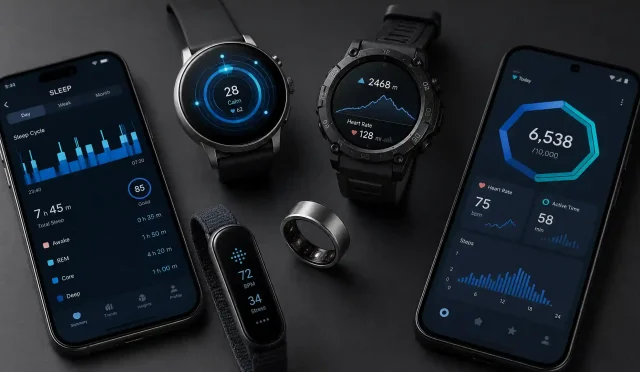
Fitness app integration is the process of connecting your application to third-party health and activity data sources such as Apple Health, Google Fit, Strava, Fitbit, Garmin, Oura, Polar, and others. Through API connections and authorization flows, your app can securely ingest metrics like steps, heart rate, sleep stages, VO2 max estimates, GPS workouts, calories, and training load. The result is a unified, real-time snapshot of a user’s wellness—and the foundation for personalized coaching, smart recommendations, and habit streaks that keep people coming back.
Why Integration Drives Growth
- Deeper personalization: By aggregating multi-source data, you can tailor goals, workouts, and nutrition plans to actual user behavior and biometrics.
- Higher retention: When users connect their devices, they see more value—daily nudges, progress visuals, and trust-building insights keep them engaged.
- Better outcomes: Evidence-based programs with timely feedback drive measurable improvements in health, performance, and adherence.
- Differentiation: Integrated platforms stand out with richer dashboards, advanced analytics, and unified progress histories across devices.
- Monetization: Premium features (advanced recovery scores, AI coaching, performance analytics) become feasible with robust integrations.
The Core Integrations to Prioritize
- Apple HealthKit and Google Fit: These OS-level hubs provide broad coverage for steps, heart rate, sleep, and workouts. They’re table stakes for iOS and Android.
- Strava and Garmin: Crucial for endurance athletes—GPS workouts, power metrics, and training load.
- Fitbit and Oura: Sleep and recovery data that power readiness and habit coaching.
- Whoop, Polar, Suunto: Performance, HRV, and strain metrics for advanced training use cases.
Start with the sources your audience uses most. For general wellness apps, Apple Health and Google Fit deliver fast coverage. For performance or coaching products, prioritize Strava, Garmin, and recovery-focused wearables.

Architectural Best Practices
- Unified data model
- Normalize data from diverse providers into a single schema (e.g., Activities, Biometrics, Sleep, Body, Nutrition).
- Map provider-specific fields to your canonical types, and version your schema to allow growth.
- Event-driven ingestion
- Use webhooks and background syncs to minimize battery impact and ensure updates flow in near real time.
- Queue updates and process asynchronously to keep your app responsive.
- Idempotent processing
- Deduplicate records (by provider ID + timestamp) to avoid double counting when providers resend payloads.
- Robust authorization
- Implement OAuth 2.0 flows with least-privilege scopes.
- Handle token refreshes and revocation gracefully; provide a clear “disconnect” UX.
- Data quality and validation
- Validate units (metric/imperial) and time zones.
- Fill gaps with intelligent defaults, and flag questionable data (e.g., sudden spikes) for review.
- Privacy and compliance
- Obtain explicit consent for each data category.
- Store only what you truly need; encrypt in transit and at rest.
- For sensitive health data, align with GDPR and regional requirements; consider SOC 2/HIPAA controls if applicable.
- Observability
- Monitor provider uptime, latency, and error rates.
- Maintain per-integration dashboards to detect drift, scope changes, or new rate limits.
Implementation Roadmap
- Discovery and prioritization
- Survey your user base to identify the top wearables and platforms they use.
- Rank providers by impact and integration complexity.
- MVP integration wave
- Start with Apple HealthKit and Google Fit to cover the widest base.
- Add one performance provider (e.g., Strava or Garmin) to serve athletes.
- Data normalization and analytics
- Build a canonical schema and transformation layer.
- Create derived metrics (e.g., weekly training load, sleep debt, readiness score) for user-facing insights.
- Engagement features
- Streaks, challenges, and progress milestones tied to integrated data.
- Smart nudges: “Early sleep wins,” “Consistency streak,” “Active recovery day suggestion.”
- Security and compliance hardening
- Consent management, data export/deletion tools, and comprehensive audit logs.
- Transparent privacy policy and in-app explanations of how data is used.
- Continuous iteration
- Add integrations based on usage telemetry and user requests.
- Optimize sync intervals, battery usage, and on-device caching.
Avoiding Common Pitfalls
- Over-integrating too early: Each provider adds maintenance overhead. Start focused, expand based on demand.
- Ignoring edge cases: Time-zone shifts, daylight savings, users switching devices, and partial permissions can break totals.
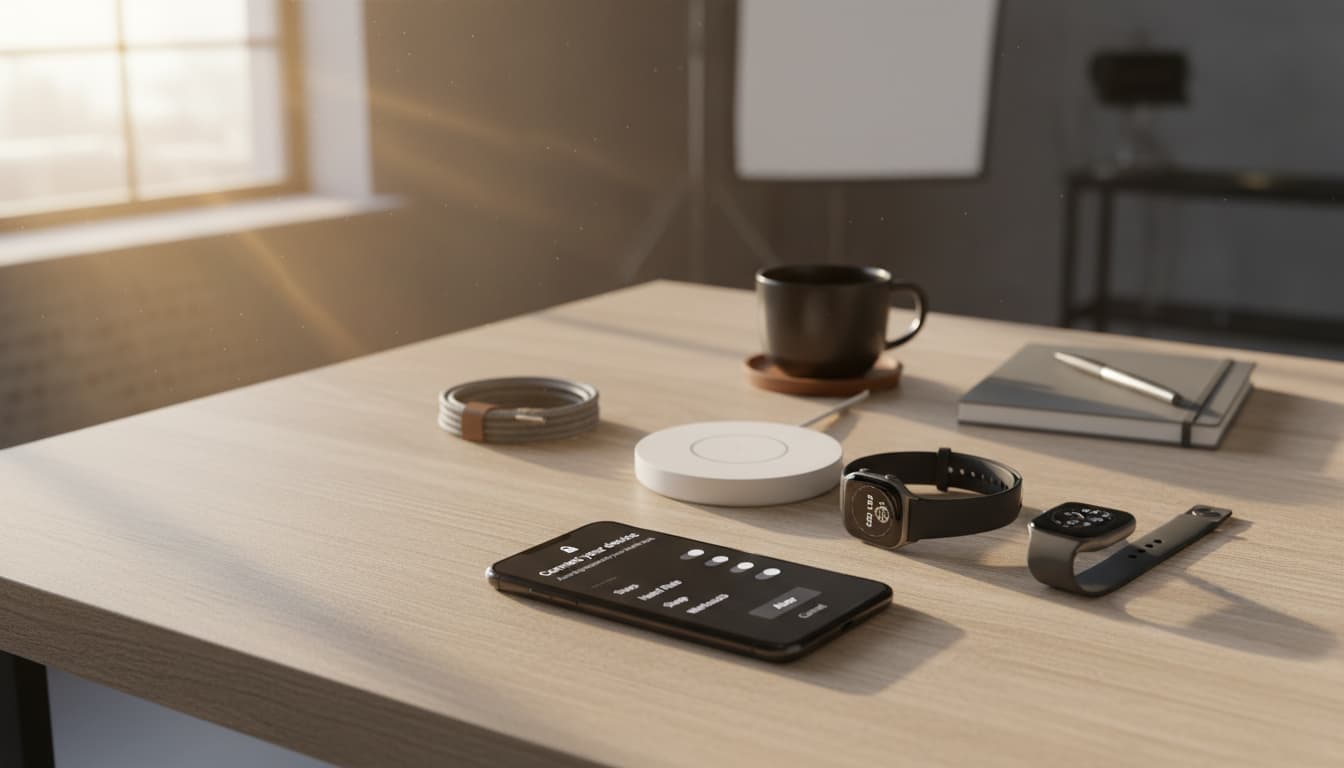
- Weak consent UX: Vague scopes erode trust. Explain benefits, show exactly what you collect, and let users control it.
- Flat analytics: Raw data is not a feature. Transform it into insights and decisions users can act on today.
Monetization Strategies Enabled by Integration
- Premium coaching: Use real-world biometrics to drive personalized training blocks, deload weeks, and recovery protocols.
- Performance analytics: Lactate threshold estimates, HRV trends, running power zones, or cycling FTP progress.
- Corporate wellness: Aggregated, privacy-safe reporting for engagement and outcomes—without exposing individual PII.
- Partner marketplaces: Offer add-ons (nutrition, therapy, recovery tools) informed by integrated data triggers.
Technical Deep Dive: Authorization and Sync
- OAuth 2.0 best practices:
- PKCE for mobile, short-lived access tokens, secure token storage (Keychain/Keystore).
- Graceful token refresh and retry logic with exponential backoff.
- Webhooks and polling:
- Prefer webhooks where supported (Strava, Fitbit) for real-time updates.
- Use incremental polling windows with bookmarks for providers without webhooks.
- Rate limiting and backpressure:
- Batch requests, respect retry-after headers, and spread syncs to avoid provider throttling.
Product UX That Converts
- “Connect your devices” moment:
- Place the prompt right after onboarding value proposition.
- Show tangible benefits (e.g., accurate calorie burn, tailored recovery days).
- Progressive disclosure:
- Let users select which data types to share. Offer granular toggles: workouts, sleep, HR, steps.
- Visible value loop:
- Show an immediate improvement in insights once a device is connected (e.g., “Your sleep efficiency last night was 91%—recovery day recommended.”)
How to Future-Proof Your Integrations
- Abstraction layer:
- Wrap each provider in an adapter interface so you can swap or upgrade without refactoring the app.
- Schema evolution:
- Use additive migrations; keep backward compatibility for historical data.
- Contract testing:
- Monitor provider API changes with automated tests to catch breaking changes before they hit production.
The Business Case: From Data to Daily Habit
Fitness app integration converts passive logging into active coaching. It’s how you turn fragmented device data into a cohesive narrative about progress, readiness, and performance. The result is a product users check every day—because it meets them where they are, with guidance that feels personal and timely. If you want to grow LTV, reduce churn, and stand out in a crowded market, seamless integrations are your fastest path to durable product-market fit.
Call to Action
Your users already live in a multi-device world. Meet them there. Start with the top two integrations, ship a clear value loop, and let your engagement metrics guide the next wave. The sooner you normalize and enrich their health data, the sooner your product becomes their daily advantage.