
Linux (Crostini) Developer Environment on Chromebook: Complete Guide
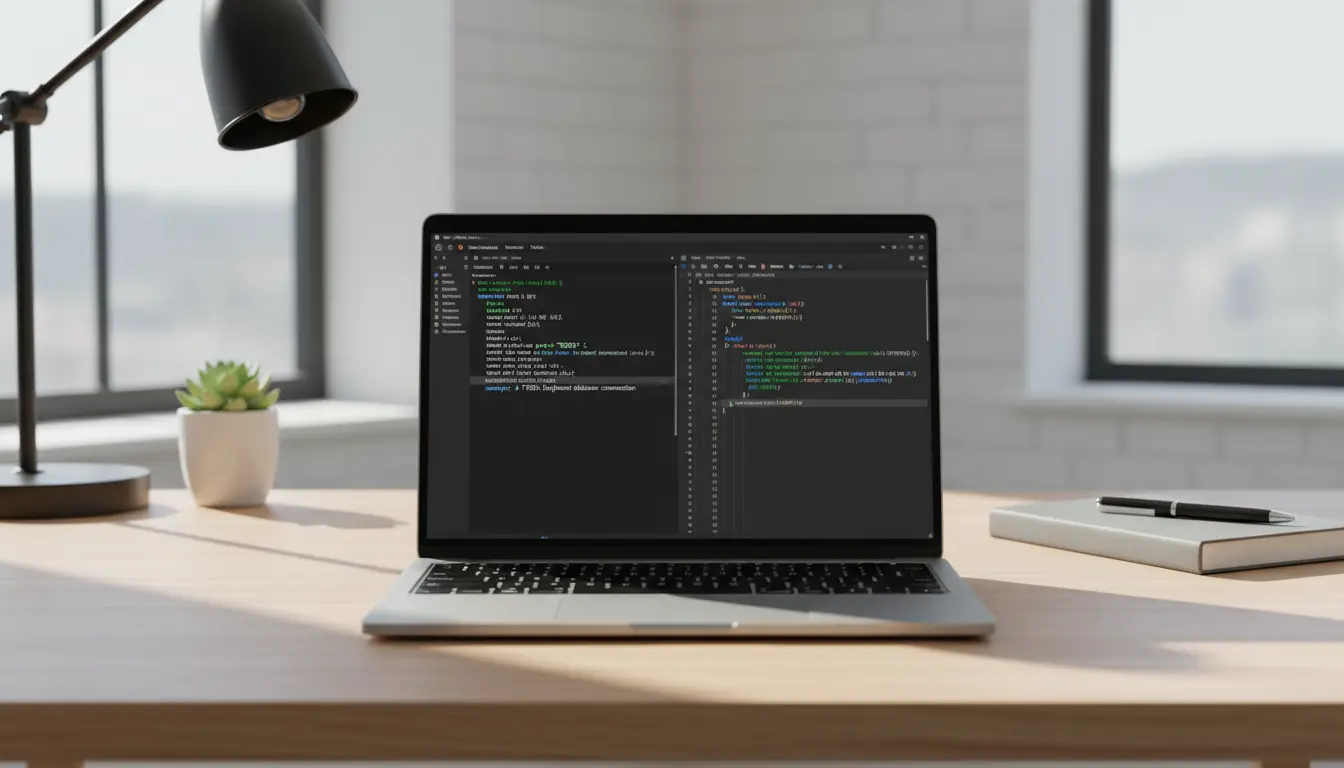
Chromebooks are no longer just for browsing the web and taking notes. Thanks to the Linux (Crostini) developer environment, modern Chromebooks can now be used as powerful, lightweight development machines. If you are a web developer, data scientist, or software engineer who wants a portable and secure device, setting up Linux on your Chromebook can dramatically expand what you can do.
In this guide, you will learn what the Linux (Crostini) environment is, how to enable it, which development tools you can use, and how to optimize your Chromebook for coding. The content is tailored to be SEO-friendly and organic, while remaining genuinely useful and easy to follow.
What Is Linux (Crostini) on Chromebook?
Linux (Crostini) is Google’s built‑in solution for running Linux applications in a container directly on ChromeOS. Instead of installing a separate Linux distribution with complex dual‑boot setups, Crostini creates a secure, sandboxed environment that feels like a standard Linux terminal while staying integrated with ChromeOS.

This approach has three key advantages:
- Security – The Linux container is isolated from the main system, reducing the risk of malware.
- Simplicity – You can enable or disable Linux from ChromeOS settings without advanced partitioning or manual configuration.
- Integration – Files, folders, and applications can be shared between ChromeOS and the Linux environment, making your workflow smooth and efficient.
For developers, this means you get the familiarity and power of a Linux development environment without giving up the convenience and battery life of a Chromebook.
How to Enable Linux (Crostini) on Your Chromebook
Before you start coding, you must enable the Linux environment on your Chromebook. The process is straightforward:
- Check compatibility
- Open
Settingsin ChromeOS. - Go to
Advanced>Developers. - Look for the Linux development environment (Beta) or Linux section.
- If it’s available, your Chromebook supports Crostini.
- Open
- Turn on Linux (Beta)
- Click Turn on in the Linux section.
- A setup wizard will open.
- Choose your username and allocate disk space. If you plan to install many development tools, allocate more storage.
- Complete the setup
- After setup, a Terminal window will open.
- This terminal is your gateway to the Linux container running on your Chromebook.
At this point, you are using a Debian‑based Linux environment. You can install packages through the apt package manager, just as you would on many popular Linux distributions.
Installing Essential Developer Tools in Crostini
Once the Linux terminal is ready, you can install your preferred programming languages, frameworks, and tools. Below are some common setups for developers using Chromebook:
- Update the package list
bashCopysudo apt update && sudo apt upgrade -y
- Install Git for version control
bashCopysudo apt install git -y
- Install a code editor or IDE
- VS Code (via
.debpackage)
Download the.debfile from the official Visual Studio Code website, then install it with: bashCopysudo apt install ./code_*.deb - Lightweight editors like
vimornano: bashCopysudo apt install vim nano -y
- Install programming languages
- Python bashCopysudo apt install python3 python3-pip -y
- Node.js and npm bashCopysudo apt install nodejs npm -y
- Java bashCopysudo apt install default-jdk -y
With these tools, you can start building web apps, scripts, or backend services directly from your Chromebook.
Web Development on Chromebook with Linux
One of the most common use cases for Crostini is web development. By combining ChromeOS, Linux, and a browser, you essentially get a full‑stack development workstation.
Typical web development stack on Chromebook:
- Frontend: HTML, CSS, JavaScript, React, Vue, or Svelte
- Backend: Node.js, Python (Flask/Django/FastAPI), or Java (Spring)
- Database: SQLite, PostgreSQL, or MySQL running inside the Linux container
You can run local servers on Linux and access them from ChromeOS by visiting http://localhost:<port> in your Chrome browser. This tight integration means you can debug, test, and deploy web apps without leaving your Chromebook.
Integrating ChromeOS and the Linux Container
The Linux (Crostini) environment is not isolated in a way that slows down your work. ChromeOS offers several integration features:
- Shared folders
In the ChromeOS Files app, you can right‑click a folder and choose Share with Linux. This makes the folder accessible inside your Linux container, usually under/mnt/chromeos. - File access
You can store your code in the Linux home directory or in a shared folder. Many developers prefer keeping source code inside the Linux home for better compatibility with tools and permissions. - Launching Linux apps from the launcher
After installing GUI applications (such as VS Code), you can find them in the ChromeOS app launcher. They run inside the Linux environment but appear like regular ChromeOS apps. - Copy and paste
Clipboard operations work between ChromeOS and Linux windows, which makes working with documentation, commands, and code snippets smooth.
Performance Tips for the Linux Developer Environment
While Chromebooks are efficient, they often have limited RAM and storage. To maintain a responsive developer experience in Linux (Crostini), keep these tips in mind:
- Monitor resource usage
Open ChromeOS’s task manager (Shift + Esc) or usetop/htopin Linux to see which processes consume the most memory. - Adjust Linux disk size
InSettings > Advanced > Developers > Linux, you can manage the storage allocated to Linux. If you install many packages, increase it accordingly. - Use lightweight tools where possible
If your device has low RAM, consider lightweight editors (likevimormicro) instead of heavy IDEs, or configure VS Code with fewer extensions. - Clean unused packages
bashCopysudo apt autoremove -y
sudo apt clean
This helps free up space and keeps your environment fast and clean.
Best Practices for Developers Using Chromebook Linux
To make the most of your Chromebook as a development machine, follow these practical best practices:
- Version control everything
Use Git and platforms like GitHub or GitLab to back up and sync your code across devices. - Use virtual environments
For Python projects, leveragevenvorcondato isolate dependencies. For Node.js, usenvmor project‑specificnode_modules. - Automate with shell scripts
Create simple shell scripts for repeated tasks such as starting servers, running tests, or deploying. - Regularly backup configuration
Keep copies of your.bashrc,.zshrc, editor settings, and project configurations. This makes it easy to rebuild your environment if you reset your Chromebook. - Stay updated
Periodically update both ChromeOS and your Linux packages to benefit from security patches, performance improvements, and new features.
Is Chromebook with Linux (Crostini) Right for You?
A Chromebook with Linux (Crostini) is ideal if you:
- Need a portable and secure laptop for development
- Work mostly with web development, scripting, or cloud‑based workflows
- Prefer a minimalist, distraction‑free environment
- Don’t rely on heavy native applications like high‑end video editors or AAA games
If your use case fits these criteria, a Chromebook with Linux as a developer environment can be more than enough for daily coding, learning programming, or building professional projects.