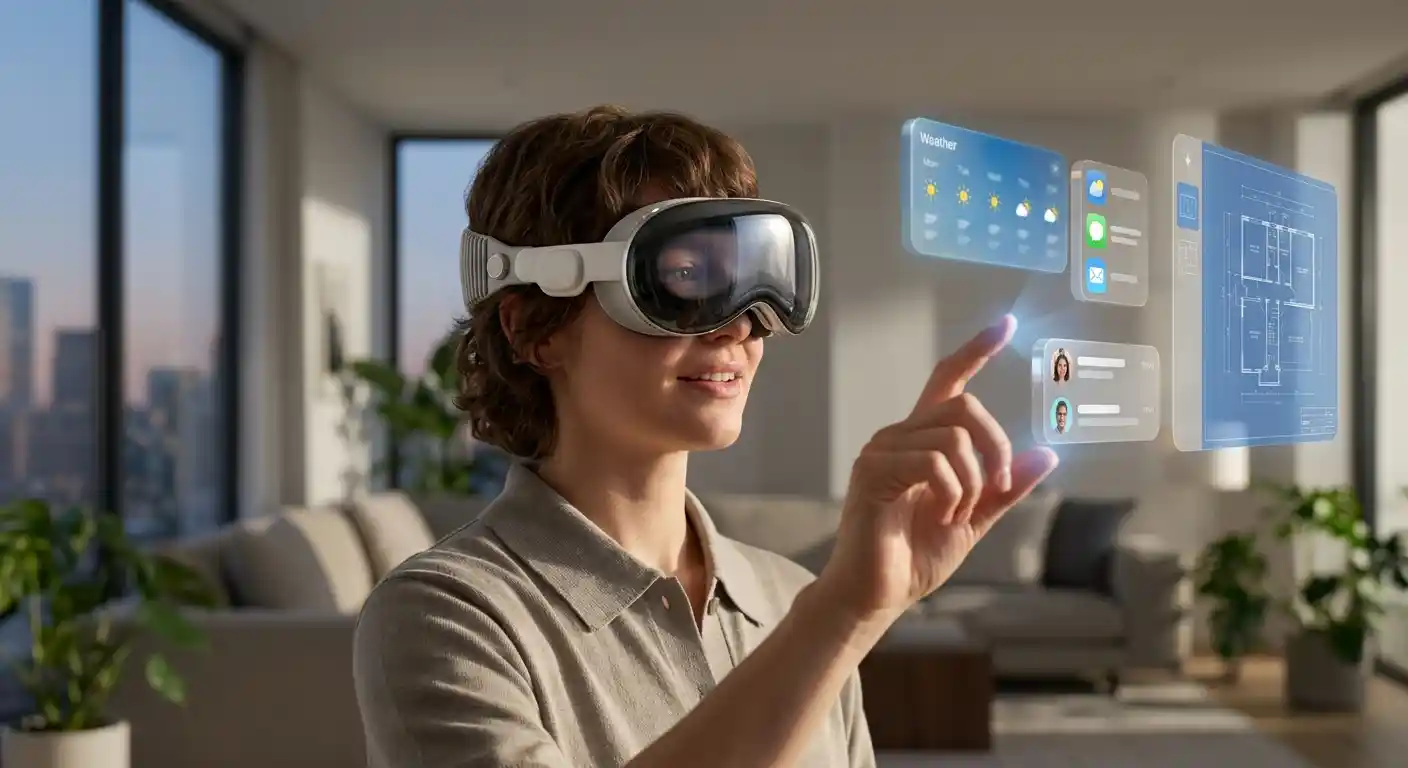

Apple Vision Pro 2 Could Finally Solve the Weight Problem
Apple appears to be developing a new visionOS headset that could make spatial computing more comfortable without abandoning the premium experience that defines the current device. According to a Bloomberg report summarized by 9to5Mac, the project carries the codename N224 and remains in an early development stage. Apple may target a release between late 2028 and early 2029, although the company has not confirmed a launch schedule.
Why a Lighter Vision Pro Matters
The first Vision Pro introduced impressive displays, eye tracking, hand tracking, and a powerful visionOS platform. However, its bulky design and front-heavy feel remain important concerns for many potential buyers. A lighter VR headset from Apple’s mixed reality lineup could improve comfort during movies, productivity sessions, gaming, and extended travel.
Apple previously explored a more affordable and lighter model known as N100, often associated with the rumored Vision Air. That project reportedly ended, but N224 suggests Apple has not abandoned the broader goal. The new device may not simply become a budget headset. Instead, Apple could position it as a successor to the current M5-powered Vision Pro, with a flagship feature set and possibly a lower price.
Four Designs Could Shape the Product
Apple is reportedly testing four concepts, which shows that the final product remains unsettled. One option keeps the familiar egg-shaped headset design while using different materials to reduce mass. A titanium headset design, plastic construction, other metals, and composite materials could all influence the final product.
A second direction resembles Meta’s newer virtual reality glasses: an external battery puck would contain the battery and computing hardware. Moving those components away from the face could create a much slimmer and lighter headset. The current Vision Pro already relies on an external battery, so Apple has some experience with separating power from the main device.
Still, an external computing puck creates practical challenges. Users would need to carry another object, manage a connection, and accept potential limits around heat, battery life, and convenience. Some Apple executives reportedly prefer an all-in-one design, which would keep the technology integrated into the headset.
Performance and Thermal Efficiency
Future Apple silicon could make either approach more realistic. The article points to the A20 Pro as an example of how much performance Apple can deliver within a limited thermal envelope. By the end of the decade, a more efficient A-series chip could potentially run visionOS at a higher capacity than today’s M5 while requiring less active cooling.
That improvement could affect more than weight. Better power efficiency might extend battery life, reduce heat near the user’s face, and make demanding spatial applications smoother. Developers could gain additional headroom for immersive video, multitasking, three-dimensional interfaces, and augmented reality glasses experiences.
Comfort Could Define the Next Generation
The real opportunity lies in balancing immersion with wearability. A lighter chassis could make the headset easier to use in an office, on an airplane, or at home with family nearby. Apple could also refine the facial interface, strap system, lens adjustment, and weight distribution instead of focusing only on the frame. Small ergonomic changes may matter as much as a lighter shell because pressure, balance, and fit strongly influence long sessions.
The external puck concept could also change how people think about personal computing. A separate computer and battery unit might connect through a discreet cable and remain in a pocket, while the glasses stay focused on displays, cameras, sensors, and audio. This arrangement could reduce facial pressure, but it might make the accessory easier to lose or damage. Apple would need a reliable wireless or wired connection, secure pairing, privacy controls, and a charging routine.
For developers, a new form factor could create a software target. visionOS applications would need interfaces that work equally well on a headset and a lighter device. Apple might encourage more spatial productivity tools, collaborative experiences, health applications, and location-aware services. However, the company would also need to maintain compatibility so existing Vision Pro software remains useful rather than forcing developers to rebuild their catalogs.
What Buyers Should Expect
Apple has not confirmed the N224 project, its specifications, price, or final form factor. Therefore, shoppers should treat every detail as a report rather than a promise. The timeline also leaves plenty of room for design changes, delays, or cancellation.
Even so, the direction makes sense. Apple needs to preserve the Vision Pro’s strengths while addressing the comfort barrier that limits everyday use. A lighter headset, improved materials, longer battery endurance, and efficient Apple silicon could help spatial computing move beyond occasional entertainment.
Amazon Product Recommendation
For current headset owners and frequent travelers, the Anker 25K Compact Battery Bank is a practical accessory to search for on Amazon.com. Its built-in cables, display, multiple ports, and high capacity can make mobile charging simpler. It does not solve headset weight, but it can support a more convenient travel setup.