
The rapid evolution of artificial intelligence and advanced automation is shifting how modern enterprises handle daily operations. While corporate executives celebrate unprecedented efficiency and declining labor costs, visionary business leaders are urging caution. Tech pioneer Bill Gates has renewed his stance on automated labor taxation, arguing that companies replacing human employees with mechanical or algorithmic substitutes should pay standard FICA taxes on those non-human workers.
This policy argument tackles a foundational flaw in contemporary tax law: traditional systems heavily reward automation while penalizing human employment through tax deductions. As machines perform complex tasks across industries, society faces a critical tipping point regarding social safety net funding, workforce retraining, and economic stability.
The Flaw in Current Tax Systems and the Push for Reform
Under current tax frameworks, an enterprise hiring a human worker pays payroll levies, including mandatory contributions to social security programs through federal insurance frameworks. Conversely, when that same company purchases an automated machine or licenses an artificial intelligence platform, it writes off that investment as a capital expense. This disparity actively incentivizes corporations to eliminate human roles even when machine output yields only minor performance gains.
Bill Gates emphasizes that this structural imbalance creates an uneven playing field. When automation displaces human staff, governments lose significant payroll tax revenue. At the same time, public spending needs surge as displaced individuals seek unemployment benefits, career transition support, and healthcare assistance. Introducing equivalent levies on automated labor creates a neutral financial landscape, forcing executives to measure the true social and economic impacts of their technological investments.
Understanding FICA Taxes in the Era of Automation
Federal Insurance Contributions Act (FICA) payments supply essential funding for public infrastructure, retirement benefits, and healthcare insurance. Because payroll tax structures depend entirely on physical human income, widespread technological replacement threatens the funding base of these safety programs.
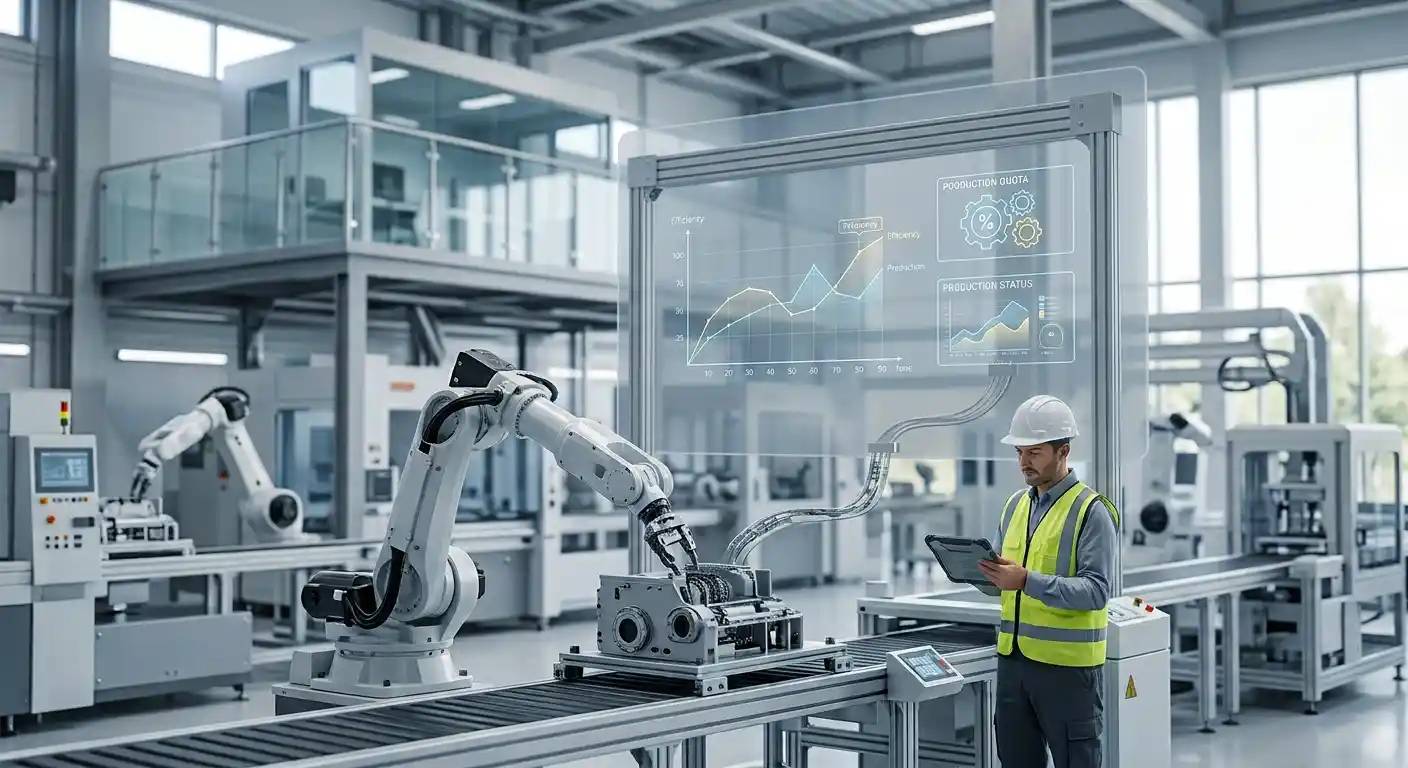
Applying FICA levies directly to automated units requires redefining standard labor definitions. Under this model, tax authorities quantify a specific baseline unit of work that an algorithm or machine performs. If an industrial robot delivers work equivalent to a full-time employee, the underlying company pays the matching tax rate that a human employee would generate. This mechanism guarantees that technological advancements actively fund the societal structures supporting the human workforce.
Balancing Rapid Innovation and Workforce Displacement
Opponents often argue that taxing machines hinders technological progress and suppresses global corporate competitiveness. However, proponents clarify that the goal of this levy is not to stop innovation, but rather to manage its pace responsibly. Unchecked transition speeds create severe structural unemployment, destabilizing local communities and shrinking overall consumer spending.
A targeted levy on automated output provides three core societal advantages:
- Slowing Unchecked Disruption: It prevents companies from rushing into hasty layoffs driven solely by short-term tax savings.
- Funding Career Transitions: Revenue generated directly subsidizes vocational programs, helping displaced personnel learn specialized skills suitable for emerging industries.
- Preserving Social Safety Nets: Continuous tax collections keep public pension plans and healthcare initiatives solvent during shifting economic cycles.
Global Implications and the Future of Work
The debate surrounding automation levies extends beyond individual national borders. International policy planners closely monitor these developments, knowing that uncoordinated tax laws could drive automated operations into low-tax jurisdictions. Establishing transparent global guidelines on machine output levies ensures that all economies profit from technological growth without sacrificing human welfare.
Furthermore, as artificial intelligence enters administrative, financial, and creative sectors, automation is no longer limited to manufacturing environments. Software algorithms now draft legal documents, write code, and analyze market trends. The broadened scope of automation makes a flexible tax model essential across every sector of the modern economy.
Adapting to the Modern Workspace
As businesses incorporate advanced tools, maintaining ergonomic health and productivity remains paramount for remote and office professionals navigating technological shifts. Maintaining peak focus requires supportive equipment tailored for intensive daily work.
Amazon Product Recommendation
Ergonomic Mesh Office Chair with Adjustable Lumbar Support
For professionals adapting to evolving workspace environments, high-performance office furniture provides vital ergonomic protection. An adjustable high-back mesh chair improves posture, reduces spinal strain during long analytical tasks, and enhances overall focus during extended working hours.