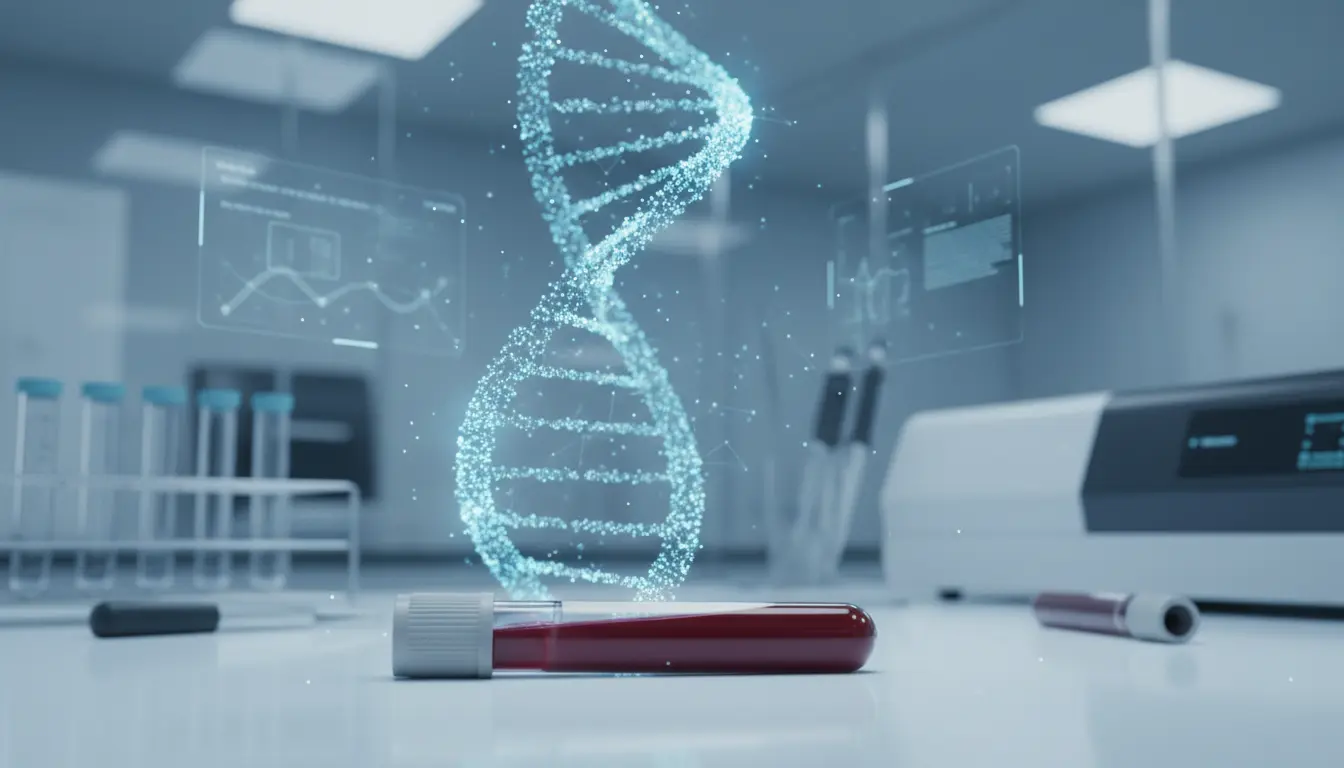

Liquid Biopsy for Cancer – Early and Non‑Invasive Diagnosis
Liquid biopsy is transforming the way cancers are detected, monitored, and treated. Instead of relying only on traditional tissue biopsies that require invasive surgery, liquid biopsy uses a simple blood draw or other body fluids to look for traces of cancer. This approach makes early and non‑invasive diagnosis possible, offering new hope for patients and clinicians.
What Is a Liquid Biopsy?
A liquid biopsy is a diagnostic test that analyzes cancer‑related material circulating in body fluids, primarily blood. These materials can include:
- Circulating tumor DNA (ctDNA)
- Circulating tumor cells (CTCs)
- Cell‑free DNA (cfDNA)
- Exosomes and other tumor‑derived biomarkers
By examining these components, doctors can gain detailed insights into the presence and behavior of a tumor without physically removing a piece of tissue.
Why Early and Non‑Invasive Diagnosis Matters
Detecting cancer at an early stage significantly improves survival rates and treatment options. Traditional imaging methods and surgical biopsies have limitations:
- They can miss very small or early‑stage tumors
- They may be too risky or painful for some patients
- They often require hospital stays and recovery time
Liquid biopsy, on the other hand, is:
- Minimally invasive: Usually just a blood sample
- Repeatable: Can be done frequently to monitor changes
- Fast: Results can often be obtained more quickly than from tissue biopsy
These advantages make liquid biopsy a powerful tool for early cancer detection and ongoing disease management.
How Liquid Biopsy Works
Liquid biopsy relies on advanced molecular and genomic technologies, especially next‑generation sequencing (NGS) and digital PCR. When cancer cells grow and die, they release fragments of DNA and other molecules into the bloodstream.
Laboratories analyze these fragments to:
- Identify cancer‑specific mutations
- Measure the amount of tumor‑derived material
- Detect changes in the molecular profile of the tumor over time
Because each tumor has its own unique genetic signature, liquid biopsy can provide highly personalized information about a patient’s cancer.
Applications in Early Cancer Detection
One of the most promising uses of liquid biopsy is in screening high‑risk populations for early‑stage disease. For example:
- Smokers and ex‑smokers can be screened for lung cancer
- Individuals with strong family histories of cancer can be monitored more closely
- Patients with precancerous lesions can be followed non‑invasively
By picking up tiny amounts of ctDNA before a tumor is visible on imaging, liquid biopsy may enable diagnosis at stages when the disease is still curable. Although challenges remain in sensitivity and specificity, ongoing research is rapidly improving test performance.
Guiding Targeted and Personalized Therapy
Liquid biopsy is central to the idea of precision oncology. It helps doctors choose the right targeted therapies based on the genetic profile of a patient’s tumor. With a single blood draw, clinicians can:
- Detect actionable mutations (such as EGFR, ALK, or KRAS)
- Decide whether a patient is eligible for specific targeted drugs or immunotherapies
- Avoid therapies that are unlikely to work due to resistance mutations
As the tumor evolves, repeat liquid biopsies can detect new mutations, allowing treatment strategies to be adjusted in real time.
Monitoring Treatment Response and Minimal Residual Disease
Beyond diagnosis, liquid biopsy is extremely valuable for monitoring how well a patient is responding to treatment. Instead of waiting for imaging results or clinical symptoms, doctors can evaluate:
- Changes in ctDNA levels during chemotherapy, targeted therapy, or immunotherapy
- Early signs of treatment resistance
- Minimal residual disease (MRD) after surgery or radiation
If ctDNA levels drop significantly, it suggests that the therapy is working. If they rise, it may indicate that the cancer is progressing or that resistant clones are emerging. This dynamic monitoring can lead to faster decisions about changing or intensifying treatment.
Detecting Relapse Earlier
One of the most powerful features of liquid biopsy is its ability to detect relapse before traditional methods. Small amounts of ctDNA can appear in the bloodstream months before a recurrence is visible on scans. This early warning allows:
- Closer follow‑up and imaging when needed
- Earlier intervention with systemic therapies
- More personalized surveillance plans based on molecular risk
For many solid tumors, this capacity for ultra‑early relapse detection is changing how oncologists think about follow‑up care.
Advantages Over Conventional Tissue Biopsy
While tissue biopsy remains the diagnostic gold standard, liquid biopsy offers several clear advantages:
- Better patient comfort: No surgery, anesthesia, or long recovery
- Lower complication risk: Reduced bleeding and infection risk
- Tumor heterogeneity insight: Captures DNA from multiple tumor sites and metastases, not just one sampled area
- Real‑time monitoring: Enables repeated sampling throughout the entire course of the disease
These benefits are especially important for patients who are too frail for surgery or have tumors that are difficult to reach safely.
Current Limitations and Challenges
Despite its promise, liquid biopsy is not perfect. Key limitations include:
- Sensitivity issues in very early stages: Very small tumors may release only tiny amounts of DNA, which are difficult to detect reliably
- False positives and false negatives: Non‑cancerous clonal hematopoiesis and technical noise can complicate interpretation
- Standardization: Different laboratories may use different methods, making it harder to compare results
- Cost and access: Advanced sequencing technologies can still be expensive and are not yet available everywhere
Regulatory agencies and professional societies are working on guidelines to ensure quality, reproducibility, and clear clinical utility.
The Future of Liquid Biopsy in Oncology
Research on liquid biopsy is expanding rapidly. Future developments are likely to include:
- Multi‑omics approaches that combine ctDNA, RNA, proteins, and metabolites
- Pan‑cancer screening tests capable of identifying multiple cancer types from a single blood sample
- Integration with artificial intelligence to improve pattern recognition and risk prediction
- More robust assays for minimal residual disease and immunotherapy response
As technologies become more affordable and standardized, liquid biopsy is expected to move from specialized centers into routine oncology practice and even population screening programs.
Patient Perspective and Clinical Impact
From the patient’s point of view, liquid biopsy means:
- Less fear of invasive procedures
- More frequent and accurate tracking of their cancer
- Faster adjustments in therapy when needed
For clinicians and healthcare systems, it offers:
- Richer data to support evidence‑based decision making
- More efficient use of targeted and high‑cost therapies
- Potential reductions in unnecessary imaging and procedures
Together, these benefits underline why liquid biopsy is considered one of the most important innovations in modern cancer care.