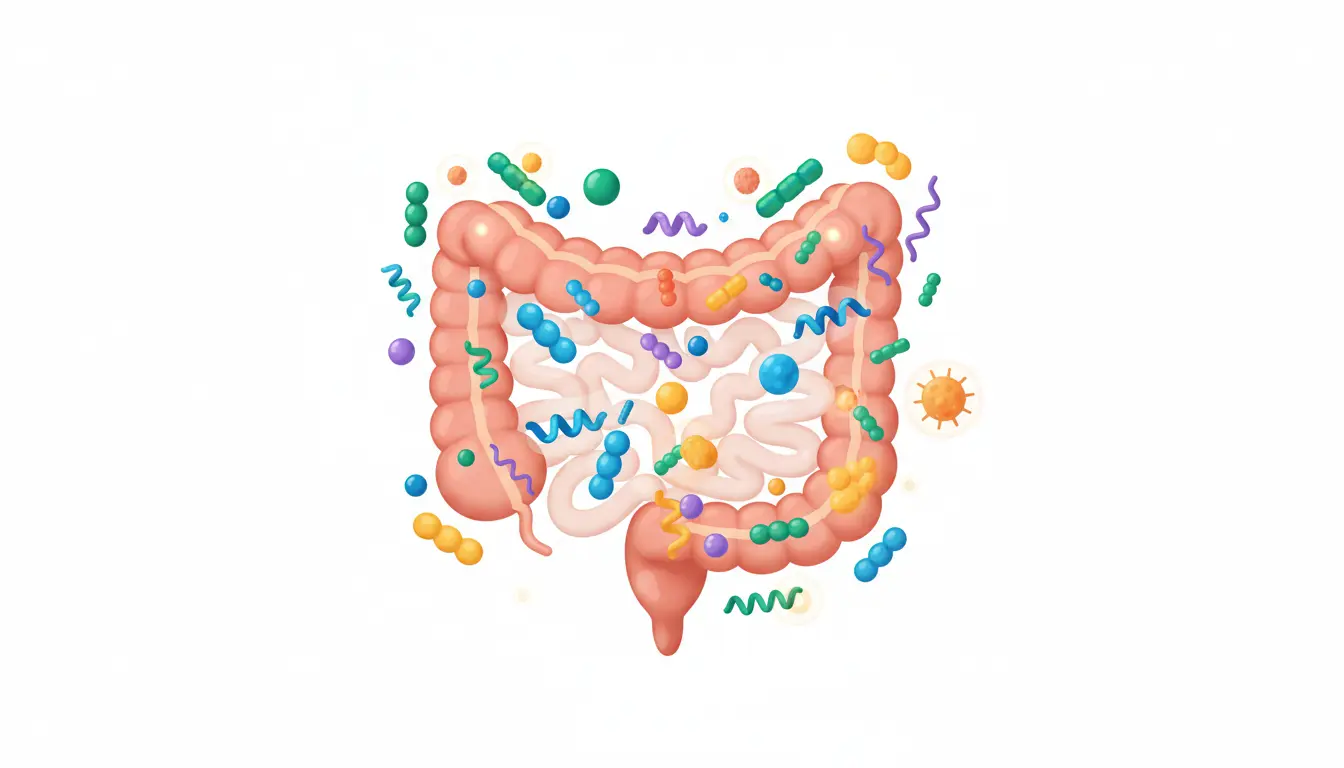

Microbiome Therapies: How Gut Bacteria Are Becoming the Next Generation of Medicine
In recent years, scientists have started to see the human gut not just as a digestive organ, but as a complex ecosystem that shapes our health in profound ways. This new understanding has given rise to microbiome therapies, a revolutionary field in which gut bacteria are being turned into powerful, targeted medicines. Rather than simply treating symptoms, these therapies aim to restore balance in the gut ecosystem and, through it, support the whole body.
The human gut contains trillions of microorganisms—bacteria, viruses, fungi, and archaea—collectively known as the gut microbiome. Each person’s microbial composition is unique, influenced by genetics, diet, environment, and medication use, especially antibiotics. When this delicate community becomes imbalanced, a state known as dysbiosis, it can contribute to a wide range of diseases, from inflammatory bowel disease to obesity, diabetes, allergies, and even depression and anxiety.
From Observation to Intervention: Why Gut Bacteria Matter
For decades, researchers observed that people with chronic diseases often have significantly different microbial profiles compared to healthy individuals. For example, some beneficial bacterial species are reduced, while potentially harmful ones are overrepresented. These patterns suggested that gut bacteria are not just passive passengers, but active players in health and disease.
Gut microbes help break down complex fibers into short-chain fatty acids (SCFAs) such as butyrate, acetate, and propionate. These molecules nourish the cells lining the colon, reduce inflammation, and strengthen the gut barrier. A healthy barrier prevents toxins and undigested particles from leaking into the bloodstream, a process sometimes referred to as “leaky gut.” When beneficial microbes decline, SCFA production falls, inflammation rises, and the risk of metabolic and immune disorders increases.
Recognizing this, scientists asked a pivotal question: if an unhealthy microbiome contributes to disease, can we restore health by repairing or reshaping it? The answer has led to the development of microbiome-based therapies, where specific strains or communities of bacteria are formulated as living drugs.
From Probiotics to Live Biotherapeutic Products
Most people are familiar with probiotics in yogurt, capsules, or fermented foods. These products generally contain a few strains of bacteria that may support digestive comfort or immune function. However, traditional probiotics are often designed as foods or supplements, not as rigorously tested medicines.
Modern microbiome therapeutics go much further. Scientists now identify and culture specific, well-characterized strains of bacteria with proven functions: reducing inflammation, producing particular metabolites, or outcompeting dangerous pathogens like Clostridioides difficile (C. diff). These strains are formulated as live biotherapeutic products (LBPs) and tested in controlled clinical trials, just like conventional drugs.
A key example is the treatment of recurrent C. diff infections. These infections often occur after heavy antibiotic use, which wipes out large portions of the gut microbiota, allowing C. diff to take over. Microbiome-based treatments introduce carefully selected microbial consortia to restore balance and prevent the pathogen from dominating. In many patients, these therapies have significantly reduced recurrence rates where standard antibiotics had repeatedly failed.
How Microbiome Therapies Work in the Body
Microbiome therapies do not act like a single chemical compound targeting one receptor. Instead, they work through multiple interconnected mechanisms:
- Colonization and Competition
Therapeutic bacteria can settle in the gut and compete with harmful microbes for nutrients and space. By doing so, they reduce the chances for pathogens to gain a foothold. - Metabolite Production
These beneficial organisms can produce SCFAs, vitamins, neurotransmitter precursors, and other metabolites that support gut integrity, modulate inflammation, and influence distant organs, including the brain and liver. - Immune System Modulation
Gut bacteria interact closely with immune cells in the intestinal lining. Carefully selected strains can help “train” the immune system, promoting tolerance rather than excessive inflammation. This may be crucial for conditions like inflammatory bowel disease, allergies, and autoimmune disorders. - Strengthening the Gut Barrier
Certain microbes help tighten the junctions between intestinal cells, reducing unwanted permeability. A strong barrier limits systemic inflammation and helps maintain metabolic balance.
Because these therapies act on an ecosystem rather than a single molecular target, their effects can be broad. However, this also makes them complex to study. Advanced sequencing technologies, metabolomics, and computational models are being used to understand how specific microbiome interventions change the overall network of interactions in the gut.
Clinical Applications: Where Gut Bacteria Are Becoming Medicine
While still an emerging field, microbiome therapies are being explored in many areas:
- Recurrent Clostridioides difficile infection (rCDI)
This is currently the most advanced and well-established indication. Restoring a healthy microbial community has shown impressive effectiveness in preventing further recurrences. - Inflammatory bowel disease (IBD)
In conditions such as Crohn’s disease and ulcerative colitis, dysbiosis and chronic inflammation go hand in hand. Clinical trials are testing whether microbial consortia or targeted strains can help induce or maintain remission, especially when combined with standard treatments. - Metabolic diseases
Obesity, insulin resistance, and type 2 diabetes have strong links to microbiome composition. Some experimental therapies aim to improve glucose metabolism and reduce low-grade inflammation by shifting the bacterial balance and altering bile acid and SCFA production. - Liver diseases
The so-called “gut–liver axis” means that microbial products and metabolites directly affect liver health. Microbiome interventions are being investigated for non-alcoholic fatty liver disease and related conditions. - Neurological and psychiatric conditions
The gut–brain axis suggests a connection between microbial activity and mood, cognition, and stress responses. Early-stage studies are exploring whether specific strains can support mental health in disorders like depression, anxiety, and autism spectrum conditions, although this area is still highly experimental. - Cancer and immunotherapy response
Remarkably, the composition of the gut microbiome can influence how well patients respond to certain cancer immunotherapies. Researchers are now evaluating microbiome-modulating strategies to enhance treatment response or reduce side effects.
Personalized Microbiome Medicine: One Size Does Not Fit All
One of the biggest advantages—but also challenges—of microbiome therapies is personalization. Each person carries a distinct microbial fingerprint, and the same therapy may not have identical effects across individuals. Therefore, we are entering an era where microbiome profiling may become part of routine diagnostics.
In the future, clinicians might analyze a patient’s stool sample, map out the existing microbial community, and select the most appropriate bacterial consortia or strains to fill in the missing functions or counteract harmful patterns. In some cases, microbiome therapies may combine with dietary strategies, prebiotics, and lifestyle changes to support long-term stability and resilience in the gut ecosystem.
Safety, Regulation, and the Path Forward
Turning gut bacteria into medicine raises important questions about safety and regulation. Live organisms can evolve, spread, and interact with other microbes in unpredictable ways. Regulatory agencies therefore require strict manufacturing standards, precise characterization of each strain, and rigorous monitoring in clinical trials.
Despite these challenges, the momentum is strong. As scientific understanding deepens, microbiome therapies are moving from experimental concepts to real-world medical tools. Over the coming years, we can expect more approved products targeting specific conditions, and more integration of microbiome health into mainstream medical practice.
Supporting Your Microbiome Naturally
While advanced microbiome drugs are still under development, there are evidence-based ways to support gut health in daily life:
- Eating a diverse, fiber-rich diet with plenty of vegetables, fruits, legumes, and whole grains
- Including fermented foods like yogurt, kefir, kimchi, and sauerkraut
- Avoiding unnecessary antibiotic use and discussing alternatives with healthcare professionals
- Managing stress and prioritizing sleep, both of which influence gut microbial balance
- Staying physically active, which is associated with greater microbial diversity
These lifestyle factors cannot replace medical microbiome therapies for serious conditions, but they create a healthier environment in which beneficial bacteria can thrive—both those you already have and those that may be introduced as part of future treatments.
As research progresses, the message is clear: the gut microbiome is not just a passive organ system; it is a dynamic partner in health. With microbiome therapies, gut bacteria are truly becoming medicine, offering a new way to prevent and treat disease by working with nature’s own microscopic allies.