
Power Solutions for Urban and Rural U.S. Users
Reliable power has become a non‑negotiable need for households across the United States. Whether you live in a dense urban neighborhood or a remote rural property, you depend on electricity to keep food cold, homes comfortable, devices charged, and critical equipment running. When grid power fails—or is simply unavailable—power products such as portable generators, solar generators, home backup batteries, and inverters step in.
This article explains how power needs differ for urban and rural U.S. users, which power products make the most sense in each setting, and how to choose safe, efficient, and cost‑effective solutions that protect your home and lifestyle long term.
1. Urban Power Needs in the United States
Urban households usually have access to relatively stable grid power, but that does not eliminate risk. Storms, heat waves, aging infrastructure, and peak‑demand events can still cause blackouts. In cities and suburbs, power interruptions often affect:
- Refrigerators and freezers full of food
- Home offices with computers, routers, and monitors
- Medical devices such as CPAP machines
- Air conditioning, fans, and heating controls
- Smartphone and laptop charging
Because many urban consumers live in apartments or condos, noise restrictions, limited outdoor space, and strict building rules shape which power products are realistic. As a result, quiet, low‑emission, and compact solutions are typically preferred.
Best Power Products for Urban Users
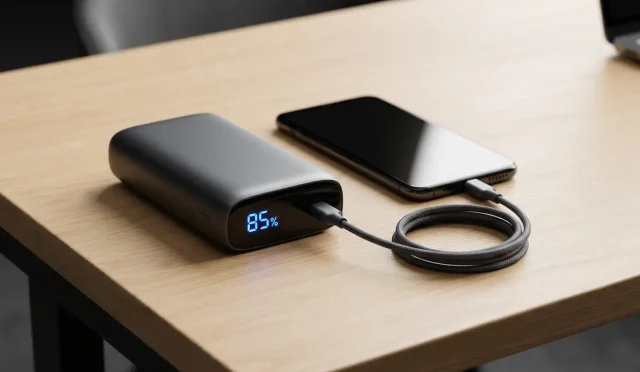
- Portable Power Stations (Battery Generators)
- Silent operation and no exhaust fumes
- Can be used safely indoors with proper ventilation
- Ideal for running routers, small refrigerators, laptops, phones, and LED lights
- Often rechargeable via wall outlet, car port, or solar panels
- Solar Generators for Balconies and Small Yards
- Combine a portable power station with compact solar panels
- Reduce dependence on grid power during daytime
- Help offset energy consumption and lower bills
- Attractive for eco‑conscious city dwellers
- Small Inverter Generators (Where Allowed)
- Gas‑powered, but more fuel‑efficient and quieter than conventional generators
- Produce clean sine wave power safe for sensitive electronics
- Best used outdoors in compliance with noise and safety regulations
Urban users prioritize low noise, convenience, and compatibility with digital devices. They want plug‑and‑play systems they can store in a closet and deploy fast when the lights go out.
2. Rural Power Needs in the United States
Rural households often face very different power challenges. Long distribution lines, extreme weather, and slower repair times can lead to longer and more frequent outages. In some remote areas, there may be no utility grid at all. Electricity is essential not just for comfort but for survival and productivity, including:
- Well pumps and water systems
- Freezers storing meat and long‑term food supplies
- Farm equipment, barns, and workshop tools
- Electric fences, gate openers, and security systems
- Heating systems, pellet stoves, and septic systems
Because rural properties typically have more land, they can accommodate larger, higher‑capacity power products. Noise and space tend to be less critical than runtime, fuel accessibility, and system durability.
Best Power Products for Rural Users
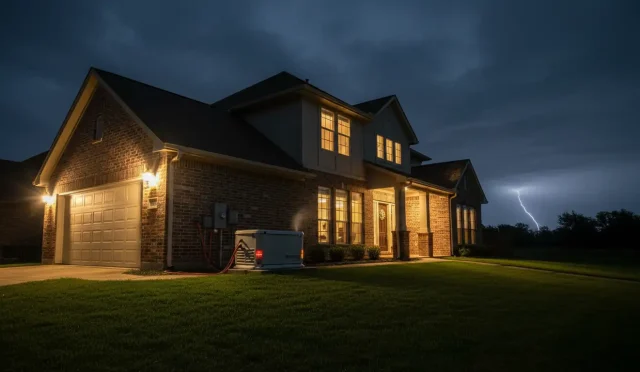
- Whole‑Home Standby Generators
- Permanently installed and wired into the home’s electrical panel
- Start automatically during a power outage
- Usually run on propane, natural gas, or diesel
- Can power critical loads or the entire house for extended periods
- High‑Capacity Portable Generators
- Provide flexible power for barns, sheds, and job sites
- Can run well pumps, freezers, and power tools
- Best when combined with a transfer switch for safe home connection
- Off‑Grid Solar + Battery Systems
- Combine solar panels, charge controllers, and large battery banks
- Reduce long‑term fuel costs and dependence on delivery services
- Ideal for cabins, homesteads, and locations with abundant sun
- Can be hybridized with a generator for cloudy periods and peak loads
Rural users often choose robust, scalable systems that can support large loads for days, not hours. Reliability and ease of maintenance matter more than compact size.
3. Comparing Urban vs. Rural Power Solutions
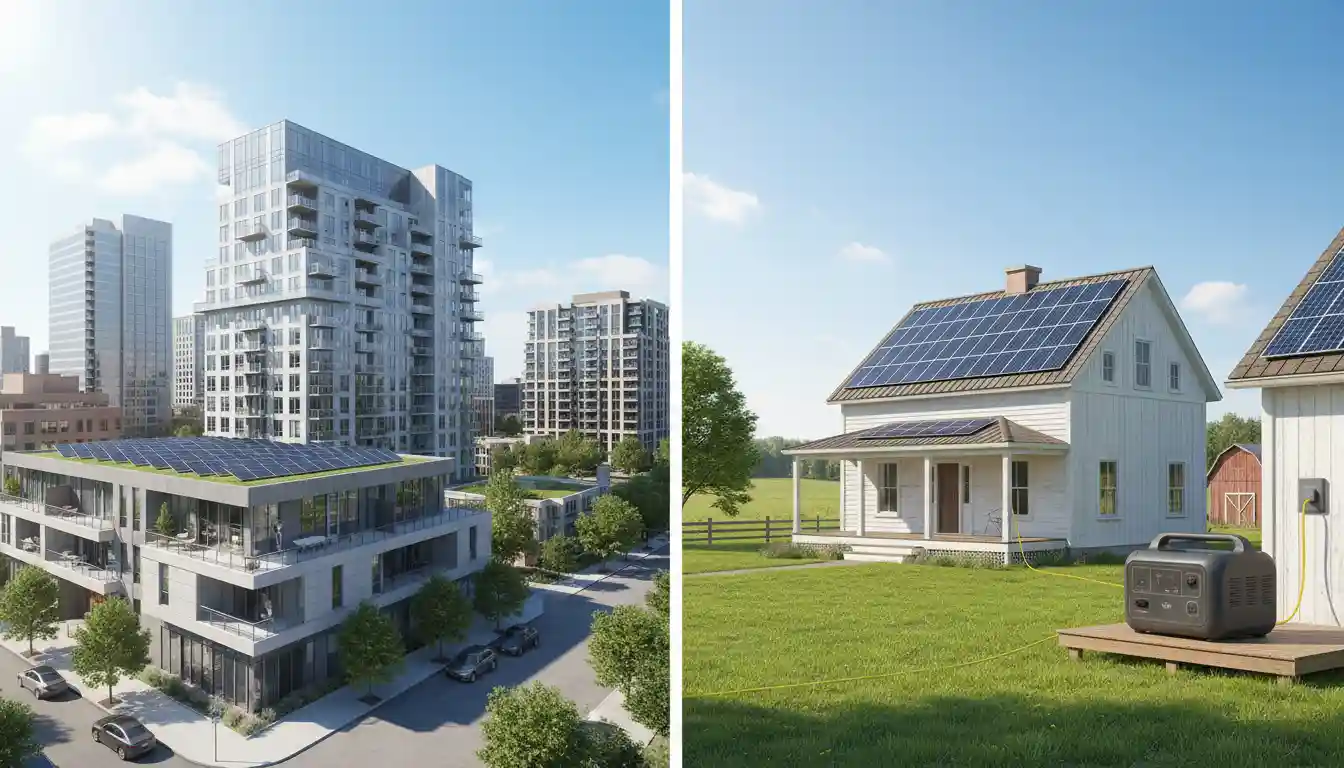
While both urban and rural American consumers want dependable electricity, their environments drive different priorities.
Key Differences
- Space:
- Urban: Limited balconies, rooftops, or shared yards; compact devices are critical.
- Rural: Ample space for solar arrays, fuel storage, and large generators.
- Noise Tolerance:
- Urban: Strict noise ordinances and close neighbors; quiet power products are essential.
- Rural: More flexibility, though quiet operation is still appreciated.
- Outage Duration:
- Urban: Typically shorter, so modest capacity backup systems often suffice.
- Rural: Outages can last days; users need higher capacity and long‑term fuel or solar options.
- Installation Flexibility:
- Urban: Landlord and HOA approvals may limit permanent installations.
- Rural: More freedom to add standby generators, solar fields, and larger battery storage.
Despite these differences, safety, efficiency, and cost‑effectiveness matter in every setting. Both urban and rural users benefit from planning their power strategy instead of waiting for the next storm.
4. How to Choose the Right Power Product
Selecting the best power solution starts with a clear understanding of your needs. A simple checklist can keep your decision focused and practical.
Step 1: Calculate Your Essential Loads
List the devices you must keep running during an outage—refrigerator, freezer, router, phones, lighting, medical equipment, well pump, or furnace fan. Check the wattages on their labels and estimate:
- Running watts: The power needed to keep the device operating
- Starting watts: Short bursts required by motors and compressors
Add a small safety margin so your generator or battery is not constantly at full load.
Step 2: Consider Runtime and Fuel or Charging Options
- If you live in a city, ask:
- Can you safely store fuel?
- Will your building allow a gas generator?
- Would a solar‑powered battery system be easier to maintain?
- If you live in a rural area, ask:
- How often can you refill fuel or propane tanks?
- Do you receive enough sunlight for a hybrid solar system?
- Do you need multi‑day autonomy for critical loads like wells and freezers?
Step 3: Evaluate Noise, Emissions, and Regulations
Portable gas generators must be used outdoors, away from windows and doors, to avoid carbon monoxide poisoning. Many jurisdictions restrict where and how long you can run them. Battery‑based systems and solar generators produce no direct emissions and operate almost silently, making them more acceptable in crowded neighborhoods.
Step 4: Plan for Growth and Resale Value
If you expect to expand your home office, add electric vehicles, or install new HVAC equipment, choose a power product that can scale with you. In rural settings, a properly installed standby generator or solar‑plus‑storage system can even improve property value and appeal to future buyers.
5. Safety and Maintenance Best Practices
No matter which solution you choose, safe operation and regular maintenance keep your investment reliable.
- Read the manual carefully and follow the manufacturer’s recommendations.
- Install carbon monoxide detectors if you use any fuel‑burning generator.
- Use transfer switches when connecting generators to your home’s circuits; avoid unsafe backfeeding.
- Test your system regularly so you are prepared before the next outage.
- Store fuel safely in approved containers, and stabilize gasoline if storing for long periods.
- Keep solar panels clean and free of debris to maximize efficiency.
By treating your power solution as essential infrastructure rather than a last‑minute purchase, you protect your home, family, and livelihood.
6. Recommended Amazon Product for Reliable Backup Power
For both urban and rural U.S. users who want a flexible solution, a mid‑size portable power station is an excellent starting point. On Amazon.com, look for a model with:
- At least 500–1000Wh capacity
- Pure sine wave inverter for sensitive electronics
- Multiple AC outlets, USB‑C, and DC ports
- The option to recharge via solar panels for extended outages
A reputable example is the Jackery Explorer‑type portable power station (check current models and capacities on Amazon to match your needs). It suits apartment dwellers who need quiet emergency power and rural homeowners who want a portable backup for tools, cabins, or RVs.