
Foldable phones have moved far beyond the experimental stage. Modern devices now offer larger displays, stronger hinges, better cameras, improved software, and more practical designs than the first generation of folding smartphones. But one important question remains: should you switch to a foldable phone, or should you stick with a traditional smartphone?
The answer depends less on technology itself and more on how you use your phone every day.
A foldable smartphone can turn into a compact tablet when you need more screen space, making it attractive for productivity, multitasking, entertainment, gaming, and mobile work. However, traditional flagship phones still offer advantages in areas such as simplicity, durability, camera consistency, battery efficiency, and price.
So before spending significantly more money on a folding device, it is worth looking at both sides.
What Makes Foldable Phones Different?
The biggest difference is simple: a foldable phone gives you two different experiences in one device.
A traditional smartphone provides a fixed screen size. A book-style foldable, such as the Samsung Galaxy Z Fold series, opens into a much larger display. Flip-style models take a different approach by folding a normal-sized smartphone into a smaller package.
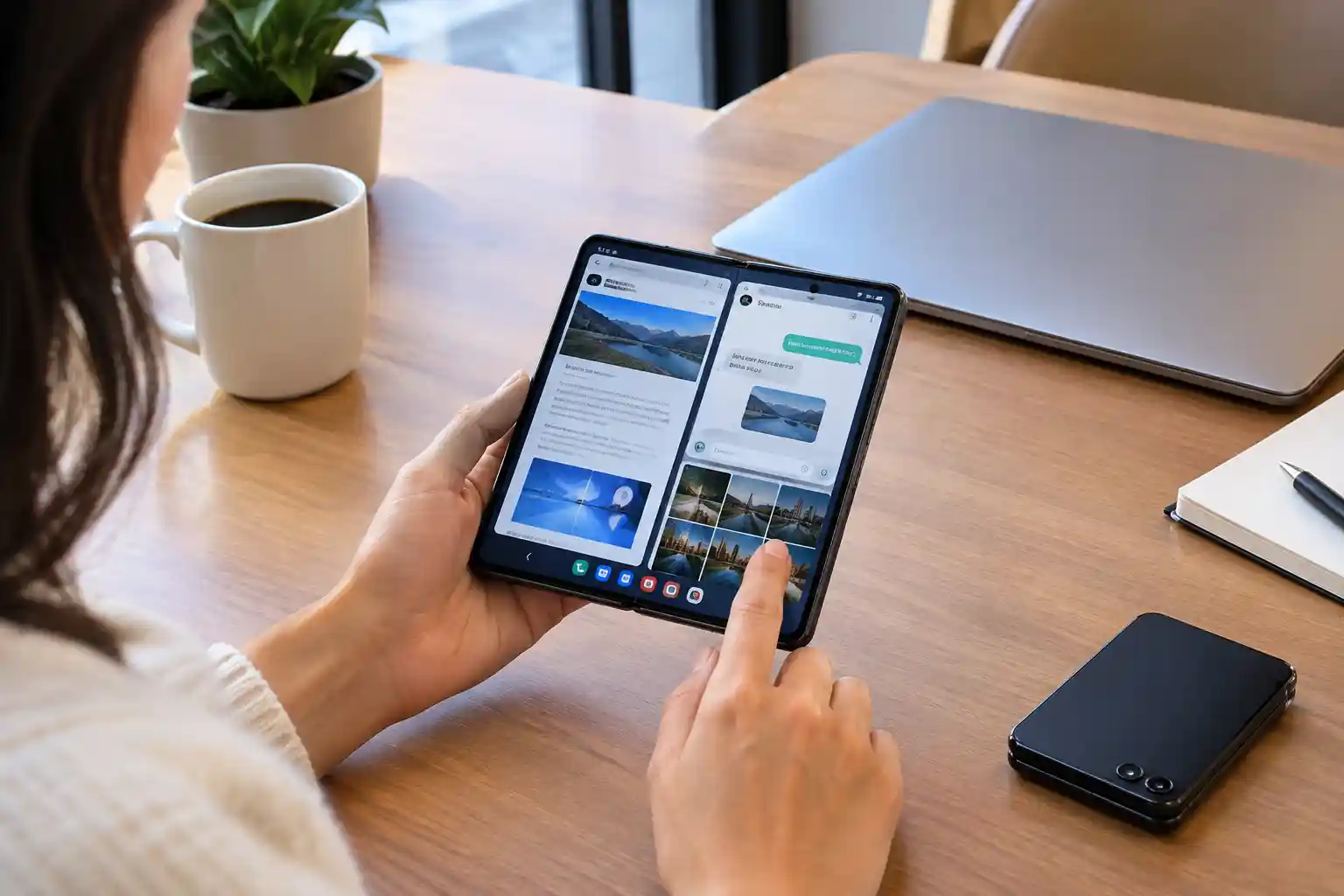
This design creates new possibilities. You can check messages on the outer display, open the phone for a larger screen, place multiple applications side by side, and use the device for tasks that normally feel uncomfortable on a conventional smartphone.
Modern foldable phones have also become considerably more mature. Current models feature more refined hinges and software designed specifically around larger displays. Industry reviews in 2026 show that foldable phones have become credible daily-driver devices rather than simple technology demonstrations.
The Biggest Advantage: A Larger Screen in Your Pocket
The strongest argument for buying a foldable phone is the display.
Imagine replying to emails while keeping a browser window open beside your inbox. You could watch a video while checking messages or compare two documents without constantly switching between applications.
This makes a foldable particularly interesting for:
- Business users
- Students
- Frequent travelers
- Content creators
- Mobile gamers
- People who regularly multitask
- Users who consume a lot of video content
A large inner display can make reading documents, editing spreadsheets, browsing websites, and managing multiple applications much more comfortable.
For some users, this screen flexibility can reduce the need to carry a separate tablet.
Foldable Phones Can Improve Mobile Productivity
Productivity is one of the clearest reasons to consider switching.
A conventional smartphone works extremely well for quick tasks. However, once you start working with multiple applications, the limited screen area becomes noticeable.
A foldable phone can provide a more desktop-like workflow. Depending on the model and software, you can run several applications simultaneously and move information between them.
Samsung, for example, has continued developing multitasking features around its Galaxy Z Fold range. Recent comparisons also highlight Samsung’s mature multitasking implementation as one of the advantages of its foldable software experience.
If your phone is an important part of your working day, this flexibility may justify the higher purchase price.
The Problem: Foldable Phones Are Still Expensive
Price remains one of the biggest barriers.
Premium foldable smartphones typically cost substantially more than conventional flagship phones. Current book-style foldables such as the Galaxy Z Fold 7 and Pixel 10 Pro Fold occupy the premium segment, with launch pricing around the $1,800–$2,000 range depending on the model and configuration.
That creates an important question:
Do you actually need the folding display?
If your daily smartphone activities involve social media, messaging, photography, calls, music, and occasional browsing, a conventional flagship may already provide everything you need.
Paying extra for a folding mechanism only makes sense when you regularly use the advantages that mechanism provides.
Are Foldable Phones Durable Enough?
Durability was once the biggest concern surrounding foldable smartphones.
Early foldables created understandable concerns about hinges, flexible displays, dust, and screen damage. Modern devices have improved significantly, but the fundamental design remains more complicated than that of a conventional smartphone.
Water and dust resistance also vary between models.
For example, the Google Pixel 10 Pro Fold has received an IP68 rating, while the Galaxy Z Fold 7 has a different protection rating. This demonstrates why buyers should examine the specifications of the exact model rather than assuming every foldable offers the same level of protection.
A foldable phone is not automatically fragile, but it does require more awareness around the hinge and inner display.
If you regularly work in dusty environments, participate in outdoor activities, or simply want the lowest possible risk of display-related problems, a conventional smartphone may remain more comfortable.
Battery Life Is Another Consideration
Battery technology creates an interesting challenge for foldable phones.
Manufacturers have to power both an external display and a much larger internal screen while fitting the necessary components into a relatively thin chassis.
Battery performance has improved, and individual models can perform very differently. Recent testing, for example, found measurable differences in battery life between leading foldable models such as the Pixel 10 Pro Fold and Galaxy Z Fold 7.
This means buyers should avoid judging battery performance simply by looking at battery capacity.
Real-world endurance depends on screen brightness, refresh rate, processor efficiency, cellular connectivity, gaming, camera usage, and how frequently you use the large inner display.
What About Cameras?
Traditional flagship smartphones still have an important advantage: manufacturers can dedicate more space and design freedom to conventional camera systems.
That does not mean foldable phones have poor cameras. Modern premium foldables can produce excellent photos and videos.
However, camera performance varies considerably from model to model.
The Google Pixel 10 Pro Fold, for example, has received attention for its camera capabilities, while Samsung’s Galaxy Z Fold line focuses heavily on combining productivity, performance, and a thin foldable design. Recent comparisons show meaningful differences between these devices in camera performance, battery life, durability, and processing power.
If photography is your number-one priority, compare the camera hardware and real-world camera tests carefully before choosing a foldable.
The Software Experience Matters More Than Ever
Hardware alone does not make a good foldable phone.
The software needs to understand how the device changes from a compact phone into a larger screen.
Modern Android foldables increasingly support features such as split-screen multitasking, flexible window layouts, app continuity, and optimized large-screen interfaces.
Google and Samsung both provide long-term software support on their premium foldable models, although their approaches to multitasking and interface design differ.
This is why buyers should consider software support alongside processor specifications and display technology.
A powerful foldable with poorly optimized software can feel less useful than a slightly less powerful model with better large-screen integration.
Who Should Buy a Foldable Phone?
A foldable phone makes the most sense for people who genuinely benefit from a larger display.
You should consider switching if you:
- Frequently multitask on your smartphone
- Read documents or long articles
- Travel regularly
- Want a phone-and-tablet combination
- Use your smartphone for work
- Enjoy large-screen gaming
- Watch a lot of movies and videos
- Want a different form factor from traditional phones
For these users, the folding screen can provide a meaningful improvement rather than simply being a novelty.
Who Should Stay With a Traditional Smartphone?
A conventional smartphone remains the more straightforward option for many people.
You may want to stay with a traditional phone if you:
- Want to spend less money
- Prioritize maximum battery efficiency
- Care strongly about camera performance
- Prefer a simpler design
- Do not need a large display
- Want fewer moving components
- Prefer a lighter or more familiar smartphone experience
A flagship smartphone with a fixed display can already deliver excellent performance, cameras, gaming, battery life, and software support.
There is no reason to buy a foldable simply because it is newer.
Should You Switch to a Foldable Phone in 2026?
The answer depends on your priorities.
Foldable technology has matured considerably. Current models demonstrate that folding smartphones can work as everyday devices, and improvements in hinges, displays, software, and durability have made the category much more practical.
However, foldable phones still involve compromises.
You usually pay more for the flexibility of the design. The devices can also be heavier or thicker than conventional smartphones, depending on the model. For example, recent comparisons have highlighted the Galaxy Z Fold 7’s slimmer body against the thicker Pixel 10 Pro Fold.
Therefore, the smartest approach is not to ask whether foldable phones are universally better.
Instead, ask whether your daily habits justify the folding screen.
If you regularly use your phone as a productivity device, enjoy multitasking, and want tablet-like screen space without carrying a second device, a foldable can be a compelling upgrade.
If you mainly want a reliable phone for communication, photography, social media, streaming, and everyday tasks, a conventional flagship may provide a simpler experience at a lower cost.
One Foldable Phone Worth Considering
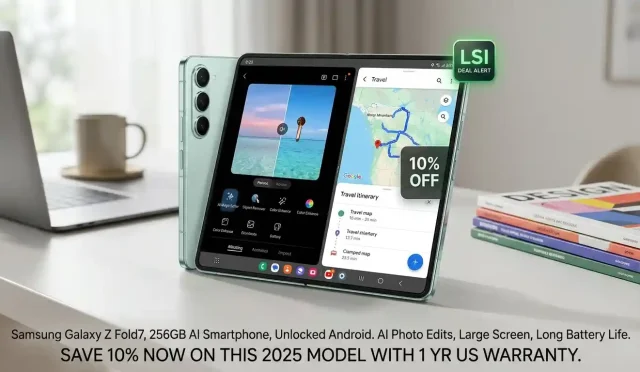
For shoppers who decide that the foldable format fits their lifestyle, the Samsung Galaxy Z Fold 7 is one model worth researching. It combines a conventional outer display with a much larger internal screen and focuses heavily on multitasking and productivity.
Samsung’s latest foldable generation has also become thinner and lighter than earlier Fold models, addressing one of the traditional complaints about book-style foldables.
So, should you switch to a foldable phone?
There is no single answer for everyone.
Foldable phones make the most sense when their unique advantages solve a real problem in your daily life. The larger display can improve productivity, multitasking, entertainment, reading, and gaming. At the same time, the premium price, different form factor, and more complicated hardware mean buyers should consider their needs carefully.
In 2026, foldable phones are no longer simply futuristic gadgets. They have become a legitimate smartphone category with increasingly mature hardware and software.
The key is to buy the format because you need or genuinely value the flexibility, not simply because folding phones look impressive.
If the larger screen will become part of your everyday workflow, switching can make sense. If you rarely need extra screen space, keeping a traditional smartphone may be the more practical route.