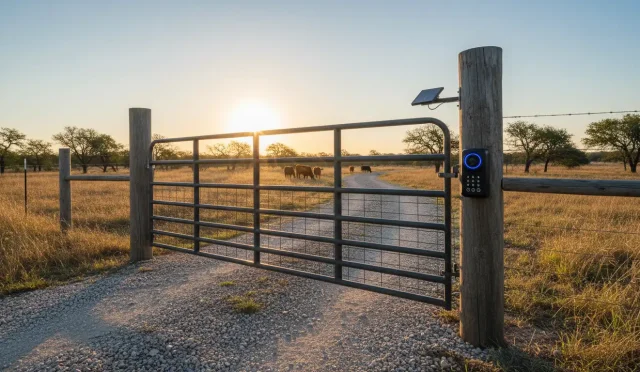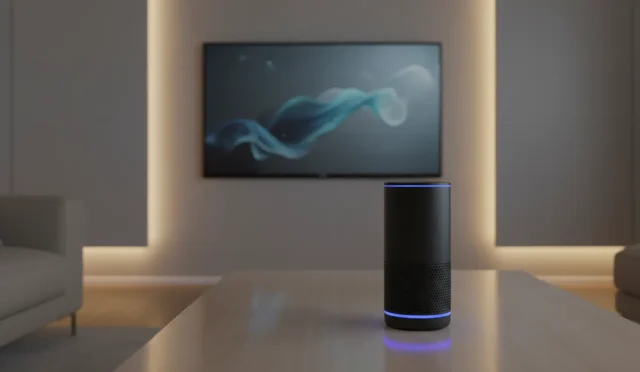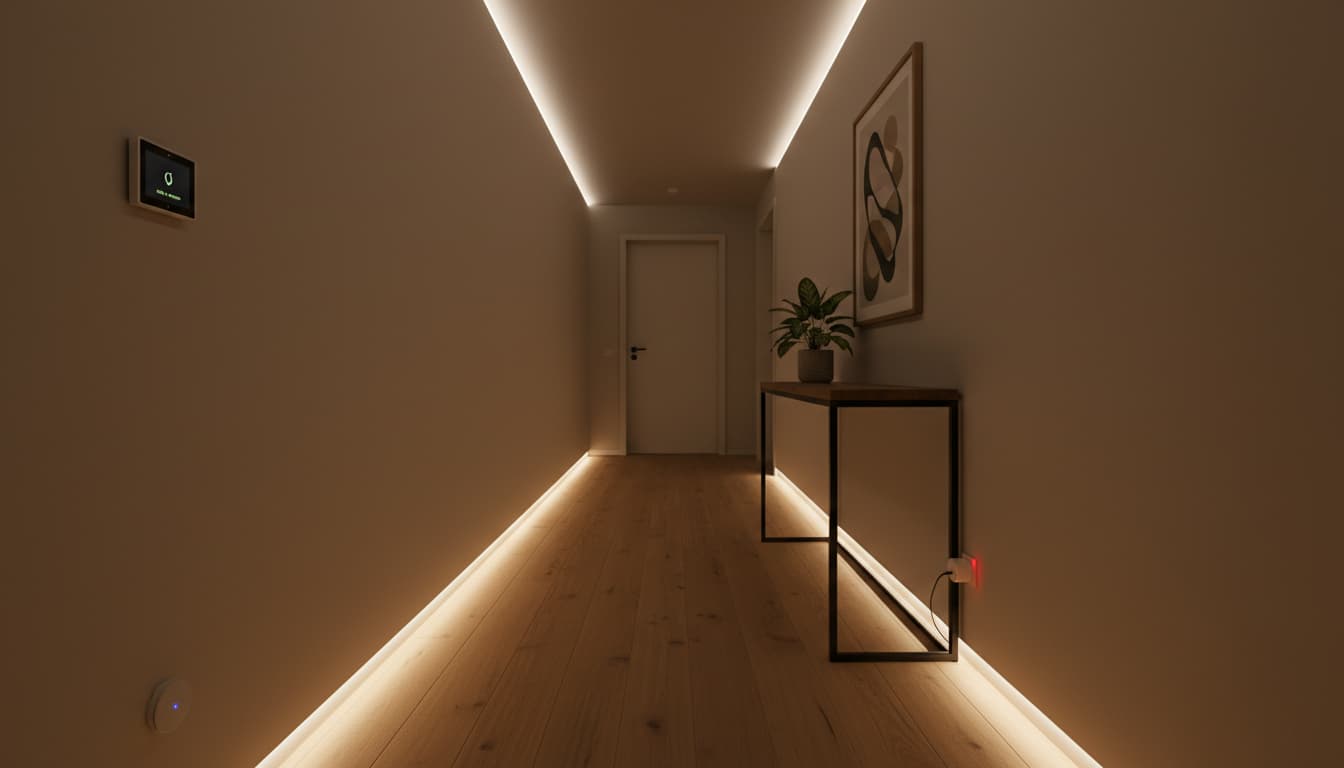

Smart home automation has moved far beyond simple remote control. Today’s systems can detect whether you’re home, switch to a calm and secure night mode, and intelligently reduce energy consumption without sacrificing comfort. In this comprehensive guide, we’ll explore three cornerstone scenarios—presence detection (home/away), night mode, and energy-saving automations—showing how they work, what devices and standards to consider, and how to design reliable, scalable, and privacy-conscious setups. By the end, you’ll know how to build automations that feel seamless and organic, improving comfort, safety, and sustainability.
Presence Detection (Home/Away) Automations
Presence-based automations respond to whether someone is home or not. They can arm your security, adjust climate control, and toggle lighting—all automatically.
- How presence is detected:
- Smartphone geofencing: Your phone’s location triggers home/away states when crossing defined boundaries. It’s simple but depends on phone battery and OS settings.
- Wi‑Fi or Bluetooth presence: When a known device connects to your network or Bluetooth hub, the system detects you’re home. Good for fast, local detection.
- Motion and door sensors: Useful for confirming short-term presence and reducing false positives when geofencing is delayed. Combining with geofencing adds reliability.
- Multi-user logic: Use “anyone home” or “everyone away” conditions so the house behaves correctly for families and roommates.
- Practical scenarios:
- Arriving home: Unlock smart lock, disarm alarm, start a “Welcome” lighting scene, set HVAC to comfort temperature, and play soft music in the living room.
- Leaving home: Lock doors, arm security, switch lights off, lower blinds, and switch HVAC to eco mode. Optionally, pause robot vacuums or laundry to reduce noise and energy.
- Guests and cleaners: Temporary access codes with time windows, presence-neutral lighting schedules, and camera notifications only in shared areas.
- Reliability tips:
- Combine at least two presence signals (e.g., geofence + Wi‑Fi). Add a short “grace period” to prevent rapid toggling.
- Edge processing: Use a local hub so presence decisions don’t rely on the cloud.
- Privacy: Avoid constant GPS polling; minimize camera usage indoors and restrict data sharing with third parties.
Night Mode Automations
Night mode aims to protect, calm, and simplify the home during evening and sleep hours.

- Core goals:
- Comfort: Dim lights to warm color temperatures, activate low-level pathway lights, and reduce blue light exposure.
- Security: Arm perimeter sensors, lock doors, and enable gentle alerts for unusual activity.
- Health and sleep: Limit noisy appliances; adjust bedroom temperature; filter notifications so only critical events break through.
- Triggering night mode:
- Sunset offsets: Switch scenes 30–60 minutes after sunset for a smoother transition.
- Bedtime routines: Use voice command, a bedside button, or a sleep-tracking wearable to initiate “Good Night.”
- No-motion windows: If no movement is detected for a defined period, gradually step down lighting and HVAC.
- Example night mode routine:
- Living spaces: Lights to 20–30% brightness, warm 2700K. TV or media power down after inactivity.
- Bedrooms: Shades down, white noise on, thermostat to optimal sleep temp. Charging reminders for phones or hearing aids.
- Security: Lock all entries, arm contact sensors, enable instant alerts for doors and windows, silence noncritical pings.
- Safety lighting: Hallway and bathroom night lights at 5–10% to prevent glare and avoid waking others.
- Special considerations:
- Use motion-activated, very low glare lighting for nighttime trips; keep emergency call buttons accessible.
- Pets: Exclude pet motion sensors from alarms; keep water dispensers and litter areas softly lit.
- Energy: Delay dishwashers or washers to off-peak hours if your utility offers time-of-use pricing.
Energy-Saving Automations
Energy optimization is where automation shines by matching comfort to real needs and avoiding waste.
- HVAC optimization:
- Smart schedules: Set occupancy-aware setpoints; widen deadbands when away.
- Zoning: Heat or cool only occupied rooms using smart vents or radiator valves.
- Window/door logic: If a window is open, pause HVAC to prevent energy loss.
- Predictive control: Use weather forecasts to pre-heat or pre-cool when energy is cheaper or solar is abundant.
- Lighting efficiency:
- Motion + ambient light: Only turn lights on when needed; keep brightness proportional to daylight levels.
- Scenes over switches: Replace all-on lighting with task scenes to reduce unnecessary load.
- Vacation simulation: Randomized schedules to deter intruders with minimal energy use.
- Appliances and standby loads:
- Smart plugs: Kill vampire power for entertainment systems, office gear, and chargers when not in use.
- Off-peak shifting: Run EV charging, hot water heating, and laundry during low-tariff periods.
- Power monitoring: Track kWh by circuit or device to identify high-consumption culprits and justify upgrades.
- Renewable integration:
- Solar-aware routines: Start dishwasher or heat pump water heater when PV output peaks.
- Battery coordination: Discharge during peak rates; recharge off-peak or from solar surplus.
- Grid signals: If available, respond to utility demand-response events for credits and lower bills.
Standards, Devices, and Ecosystem Choices
- Protocols and hubs:
- Matter and Thread: Offer fast, reliable, and increasingly interoperable local control.
- Zigbee and Z‑Wave: Mature, low-power mesh options with wide device support.
- Wi‑Fi/Bluetooth: Easy onboarding, but consider network congestion and battery life.
- Local-first platforms: Home Assistant, Apple Home, and certain hubs prioritize privacy and resilience.
- Device selection checklist:
- Presence: Multi-method presence (geofence + Wi‑Fi + motion) reduces false states.
- Sensors: Choose reliable motion, door/window, ambient light, and temperature sensors with good battery life.
- Actuators: Smart thermostats, valves, plugs, and dimmers that support scenes and power reporting.
- Security: Certified smart locks, tamper-resistant contact sensors, and cameras with on-device processing.
- Privacy and security:
- Local automations: Keep logic on your hub; cloud for remote access only if needed.
- Data minimization: Store only what’s required; rotate logs; restrict camera retention.
- Access control: Use strong unique passwords, MFA, and up-to-date firmware.
Designing Reliable, Organic Automations
- Human-centered design:
- Provide graceful overrides: wall switches, voice commands, and quick actions in your app.
- Avoid “automation whiplash”: Use timeouts and debouncing so lights don’t flicker on/off with minor motion.
- Clear feedback: Subtle chimes or notifications when modes change (e.g., “Home,” “Away,” “Night”).
- Testing and metrics:
- Start simple: One room, one routine, then expand.
- Track outcomes: Compare energy usage month-to-month; iterate on setpoints and schedules.
- Backup states: If internet or hub fails, ensure manual control still works.
- Scalability:
- Name and tag devices consistently: room, function, and floor in every entity name.
- Use reusable templates: One blueprint for motion lighting applied to many rooms with parameters.
- Document: Keep a lightweight map of automations, triggers, and dependencies.
Example Automation Blueprint (Conceptual)
- Goal: Energy-efficient hallway lighting with presence and night mode.
- Trigger: Motion detected AND ambient light < threshold.
- Conditions: If night mode active → set brightness 10% warm; else → 50% neutral.
- Actions: Turn on scene; start timer 3 minutes; if no further motion, turn off.
- Exceptions: If guest mode is on, extend timer to 6 minutes.
The Bottom Line
Presence detection, night mode, and energy-saving routines form the backbone of a smart home that feels truly intelligent. By combining reliable sensors, local-first control, privacy-conscious design, and careful scene logic, you can achieve an experience that is seamless, comfortable, and authentically efficient. Start with small, high-impact automations and evolve iteratively; your home will adapt to you, not the other way around.