
Artificial Intelligence has emerged as one of the most transformative technologies of the modern era, reshaping industries, influencing economies, redefining creativity, and revolutionizing the way people interact with technology. In recent years, the pace of innovation in AI has accelerated at an astonishing rate. From sophisticated chatbots to autonomous vehicles and AI-powered assistants, next-generation AI models are breaking barriers and setting the stage for a new digital frontier.
The Rise of Next-Generation AI Models
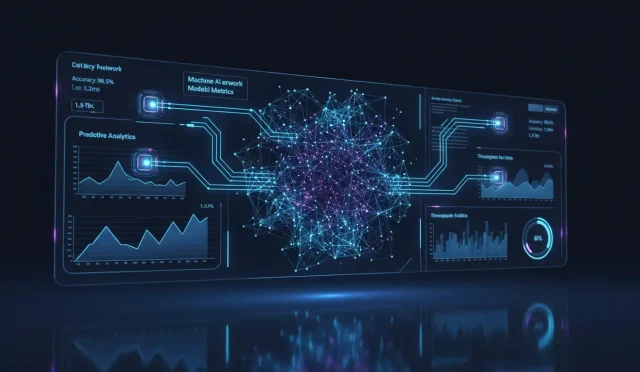
The term “next-generation AI models” refers to large-scale, highly sophisticated systems trained on vast datasets. These models not only understand language with near-human fluency but also generate realistic images, music, software code, and entire business solutions. Unlike traditional algorithms that required human-crafted rules, these models learn patterns through vast amounts of data and continuously improve their accuracy.
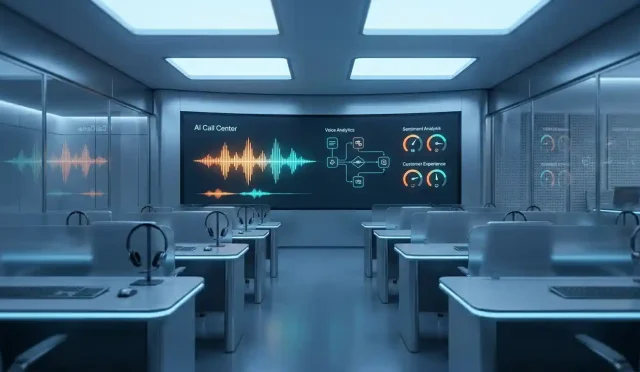
In the last five years, Artificial Intelligence has transitioned from being a niche research subject to becoming an integral part of everyday applications. Customer service bots now serve millions daily, search engines are powered by AI-driven algorithms, and healthcare professionals rely on AI models for early detection of diseases.



Key Features of Next-Generation AI Models
What differentiates the newest AI systems from earlier versions is their versatility and contextual awareness. These systems can:
- Process Multimodal Inputs: They can simultaneously understand text, images, audio, and video.
- Generate Creative Outputs: From writing poems to designing logos, they demonstrate remarkable creativity.
- Adapt Across Industries: AI is no longer confined to one space; it now powers fintech, law, healthcare, education, entertainment, and more.
- Learn Continuously: Through adaptive learning mechanisms, AI models refine themselves based on user feedback.
Real-World Applications
The real excitement surrounding next-generation AI lies in how they impact daily lives.
- Healthcare: AI-powered diagnostic systems can detect cancer and other conditions earlier than human doctors, providing life-saving interventions. Robotic surgeries assisted by AI are now achieving precision levels previously thought impossible.
- Finance: AI models analyze billions of transactions in real-time to prevent fraud and guide investment strategies.
- Education: Intelligent tutoring systems personalize learning for every student, ensuring higher engagement and better results.
- Content Creation: Journalists, marketers, and creators now use AI tools to generate instant blog posts, ads, videos, and graphics.
Ethical Challenges of Next-Generation AI
With great power comes great responsibility. Next-generation AI models raise vital questions:
- Job Displacement: Will machines replace creative professionals, analysts, and even coders?
- Bias and Fairness: AI learns from historical data, which may carry human biases. Without responsible practices, the technology risks amplifying discrimination.
- Data Privacy: As AI requires vast amounts of information, user data security becomes a critical concern.
- Autonomy and Control: Who should set the boundaries for AI? Governments, corporations, or a global regulatory body?
Industry Leaders Driving the Change
Several big players, including OpenAI, Google DeepMind, Anthropic, and Meta AI are currently leading the race. However, smaller startups are also innovating rapidly, bringing fresh perspectives and niche solutions. This dynamic competition continues to push the boundaries of what AI can achieve.
The Economic Impact of AI
According to global economic reports, Artificial Intelligence could contribute up to $15 trillion to the world economy by 2030. Productivity gains, automation, and data-driven decision-making will make businesses more efficient, while entirely new industries will emerge as a result of AI advancement.
The Future: Human-AI Collaboration
The greatest opportunity may not be AI replacing humans but AI augmenting human capabilities. Collaborative systems—where AI handles repetitive tasks and humans focus on creativity, empathy, and strategy—could lead to unprecedented innovation.
For example:
- Doctors + AI = rapid and accurate diagnoses.
- Teachers + AI = personalized lessons for each student.
- Artists + AI = hybrid creativity, producing new forms of digital art.
Preparing for an AI-Powered World
The next decade will likely see Artificial Intelligence deeply embedded in every device, service, and platform we use. From your smartphone assistant to smart traffic control systems in your city, AI will create an ecosystem where efficiency and intelligence merge seamlessly.
To thrive in such a world, individuals and businesses need to embrace AI literacy, reskill continuously, and adopt ethical frameworks for responsible AI usage. Governments, industries, and academia must work together to ensure that next-generation AI grows sustainably and inclusively.
Conclusion
The AI revolution is far from over; in fact, it is only just beginning. Next-generation AI models are not merely technological tools—they are transformative forces that will reshape the future of humanity. Their potential spans from healthcare and education to economics and art, but with their promise also comes responsibility. The world now faces an important question: how can we harness the power of AI to drive progress while ensuring fairness, accountability, and inclusivity?
One thing is certain: the revolution shows no signs of slowing down, and the future belongs to those who adapt, innovate, and collaborate with Artificial Intelligence.