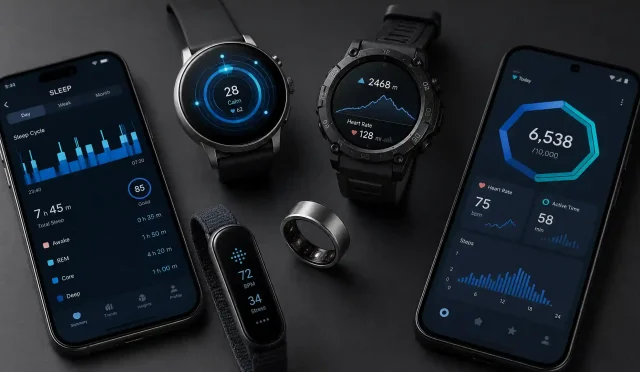

Top 5 Health Metrics You Can Track Without a Watch
In a world filled with smartwatches, fitness trackers, and health-monitoring gadgets, many people assume that understanding their health requires expensive technology. The truth is quite different. Some of the most valuable health indicators can be tracked without wearing a watch or using advanced devices. By paying attention to simple measurements and daily habits, you can gain meaningful insights into your overall well-being and make informed lifestyle choices.
Tracking health metrics manually encourages greater awareness of your body and helps you recognize trends before they become serious problems. Whether your goal is improving fitness, increasing energy levels, managing stress, or supporting long-term wellness, these five health metrics can provide a reliable picture of your current health status.
Why Tracking Health Metrics Matters
Monitoring health metrics helps you identify positive habits and spot potential issues early. While wearable technology can be convenient, it is not essential for maintaining a healthy lifestyle. Consistent tracking allows you to evaluate progress, set realistic goals, and stay motivated.



Many healthcare professionals emphasize that sustainable health improvements come from understanding basic health markers rather than relying solely on digital devices. The metrics below require little or no equipment and can be monitored regularly from home.
1. Resting Heart Rate
Your resting heart rate (RHR) is one of the simplest and most useful indicators of cardiovascular health. It reflects how efficiently your heart pumps blood when your body is at rest.
How to Measure It
- Sit quietly for five minutes.
- Place two fingers on your wrist or neck.
- Count your pulse for 60 seconds.
- Record the number of beats per minute (BPM).
What the Numbers Mean
Most healthy adults have a resting heart rate between 60 and 100 BPM. Individuals who engage in regular physical activity often have lower resting heart rates because their hearts work more efficiently.
Benefits of Tracking Resting Heart Rate
- Monitors cardiovascular fitness.
- Helps detect signs of overtraining.
- Indicates recovery status.
- Provides insight into overall heart health.
A sudden increase in resting heart rate may signal stress, illness, poor sleep quality, or dehydration.
2. Waist Circumference
While body weight receives significant attention, waist circumference often provides a more accurate picture of metabolic health. Excess abdominal fat is associated with an increased risk of heart disease, type 2 diabetes, and other chronic conditions.
How to Measure Waist Circumference
- Stand upright.
- Place a measuring tape around your waist just above your hip bones.
- Breathe normally.
- Record the measurement without pulling the tape too tightly.
Why It Matters
Research consistently shows that abdominal obesity presents greater health risks than overall body weight alone. Monitoring waist circumference helps evaluate changes in body composition and visceral fat levels.
Healthy Waist Measurements
General guidelines suggest:
- Men: Less than 40 inches (102 cm)
- Women: Less than 35 inches (88 cm)
Tracking this metric monthly can reveal important trends in metabolic health and weight management efforts.
3. Sleep Quality
Sleep quality is one of the most overlooked health metrics. You do not need a smartwatch to understand whether you are sleeping well. Paying attention to how rested you feel each morning can provide valuable information.
Signs of Good Sleep Quality
- Falling asleep within 20–30 minutes.
- Staying asleep through most of the night.
- Waking up refreshed.
- Maintaining consistent energy levels during the day.
Simple Sleep Tracking Method
Keep a sleep journal and record:
- Bedtime
- Wake-up time
- Number of nighttime awakenings
- Morning energy level
- Daily mood
Health Benefits of Better Sleep
Quality sleep supports:
- Immune system function
- Mental health
- Hormone balance
- Recovery and muscle repair
- Cognitive performance
Improving sleep hygiene can have a significant impact on overall wellness without requiring any wearable technology.
4. Daily Energy Levels
Your daily energy level serves as a practical indicator of overall health. Many factors influence energy, including nutrition, hydration, physical activity, sleep habits, and stress management.
How to Track Energy Levels
Use a simple scale from 1 to 10:
- 1 = Extremely tired
- 5 = Average energy
- 10 = Excellent energy
Rate your energy at the same time each day and note any factors that may have influenced your score.
What Energy Levels Reveal
Consistently low energy may indicate:
- Poor nutrition
- Inadequate sleep
- Chronic stress
- Dehydration
- Lack of exercise
Tracking energy levels helps identify patterns and allows you to make targeted lifestyle improvements.
Building Sustainable Energy
Focus on:
- Balanced nutrition
- Regular exercise
- Proper hydration
- Stress reduction techniques
- Consistent sleep schedules
Small daily adjustments often produce substantial long-term improvements.
5. Physical Activity Consistency
You do not need a fitness tracker to monitor movement. Consistency matters more than precise step counts. Tracking your physical activity manually can be highly effective.
Simple Activity Tracking
Record:
- Walking sessions
- Strength training workouts
- Cycling activities
- Stretching routines
- Sports participation
A notebook or digital journal works perfectly.
Why Consistency Matters
Regular physical activity contributes to:
- Better cardiovascular health
- Improved body composition
- Increased energy
- Enhanced mental well-being
- Reduced risk of chronic disease
Rather than focusing on complicated metrics, prioritize consistent movement throughout the week.
Weekly Activity Goal
Many health organizations recommend:
- 150 minutes of moderate exercise per week
or - 75 minutes of vigorous activity per week
Tracking exercise frequency often provides enough information to assess progress.
How These Metrics Work Together
Each metric provides a unique perspective on health, but their real value emerges when viewed collectively.
For example:
- Poor sleep quality may increase resting heart rate.
- Low energy levels may reduce physical activity.
- Reduced activity can contribute to increased waist circumference.
- Elevated stress may affect all four metrics simultaneously.
Monitoring multiple health indicators creates a more complete understanding of overall wellness and helps identify root causes rather than symptoms alone.
Common Mistakes When Tracking Health Metrics
Tracking Too Many Variables
Keep your system simple. Focus on the most meaningful health indicators rather than collecting excessive data.
Expecting Immediate Results
Health improvements occur gradually. Consistency produces better outcomes than short-term intensity.
Ignoring Lifestyle Context
Numbers alone rarely tell the whole story. Consider factors such as work stress, travel, illness, and major life events.
Comparing Yourself to Others
Your health journey is unique. Focus on personal trends and progress rather than external comparisons.
Creating a Sustainable Health Tracking Routine
The best health tracking system is one you can maintain consistently.
Try this weekly approach:
Daily
- Record sleep quality.
- Rate energy levels.
- Track physical activity.
Weekly
- Measure resting heart rate.
- Review trends and observations.
Monthly
- Measure waist circumference.
- Evaluate long-term progress.
This simple framework requires only a few minutes yet provides valuable health insights over time.
The Future of Personal Health Monitoring
Technology will continue to evolve, but foundational health awareness remains essential. Wearables can supplement health tracking, but they should not replace personal observation and healthy habits.
Understanding how your body responds to sleep, exercise, nutrition, hydration, and stress allows you to make informed decisions regardless of which devices you use. By focusing on these five health metrics, you can build a stronger foundation for lifelong wellness without relying on a smartwatch.
Conclusion
Tracking your health does not require expensive gadgets or constant notifications. Resting heart rate, waist circumference, sleep quality, daily energy levels, and physical activity consistency offer powerful insights into your overall health. These simple metrics help you monitor progress, identify potential concerns, and make meaningful lifestyle adjustments.
The most effective health strategy is not collecting more data—it is using practical information consistently. Start with these five metrics, record them regularly, and focus on long-term improvements. Small actions performed consistently often deliver the greatest health benefits.
Recommended Product from Amazon
A practical product that supports manual health tracking is the “RENPHO Body Measuring Tape.” It helps accurately monitor waist circumference and body measurements, making it useful for tracking body composition changes without relying on wearable technology.