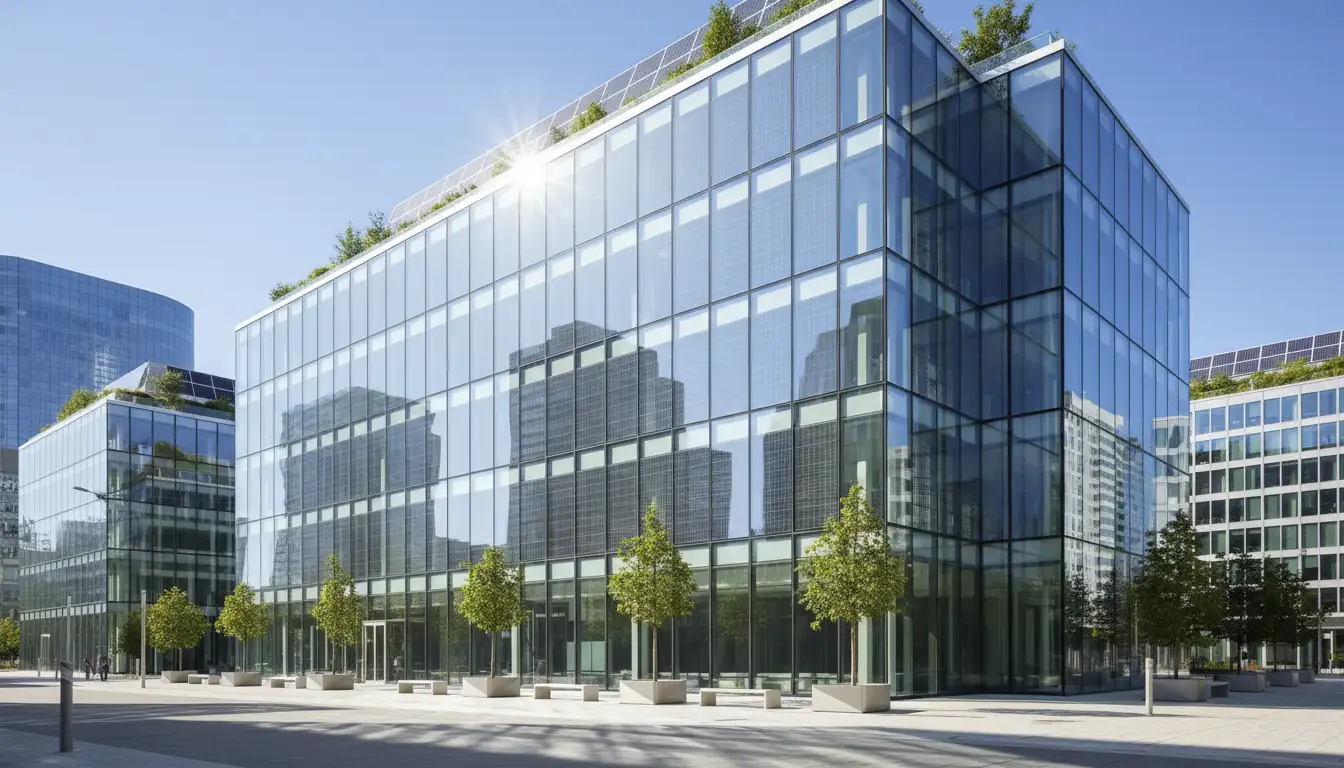

Transparent Solar Panels: Turning Windows into Clean Power Generators
Transparent solar panels are transforming the way we think about buildings, windows, and energy production. Instead of relying only on traditional rooftop solar modules, new transparent photovoltaic (PV) technologies allow glass surfaces to generate electricity while still letting in natural light. For homes, offices, and high‑rise buildings, this means that simple windows can become active power plants, reducing dependence on the grid and lowering carbon emissions.
At their core, transparent solar panels use specialized materials that capture parts of the solar spectrum invisible to the human eye, such as ultraviolet (UV) and infrared (IR) light. This is how they remain see‑through while still producing power. Unlike classic silicon solar panels, which are dark and opaque, transparent PV technology balances energy generation with visibility and aesthetics.
How Transparent Solar Panels Work
Transparent solar panels typically rely on thin‑film or organic photovoltaic materials. These materials are engineered to absorb light at certain wavelengths while allowing the rest of the spectrum to pass through. In many designs, the panel looks like a slightly tinted or neutral‑colored window, but behind the glass, microscopic solar cells are converting light into electricity.


The energy generated by these panels can be used in several ways:
- Powering lighting and small electronics within the building
- Feeding electricity into the building’s main power system
- Charging battery storage systems for later use
As building‑integrated photovoltaics (BIPV), transparent solar windows can seamlessly blend into the architecture. This integration helps reduce the need for additional mounting structures and can minimize visual impact, which is crucial for modern urban design and historical buildings.
Benefits for Homes and Buildings
The biggest advantage of transparent solar panels is that they unlock a huge amount of unused surface area. Most large buildings have much more window area than rooftop area. By converting this glass into solar windows, owners can significantly increase their onsite renewable energy generation.
Key benefits include:
- Efficient use of space
Windows become dual‑purpose: they let in daylight and generate power at the same time. This is particularly valuable in densely populated cities where roof space is limited. - Improved energy efficiency
Transparent solar glass can also help control heat gain and glare, reducing the need for air conditioning and artificial lighting. This leads to lower overall energy consumption and operating costs. - Sustainability and lower emissions
By producing clean electricity directly where it is consumed, buildings can reduce their carbon footprint and move closer to net‑zero energy targets. This is attractive for companies that want to improve their ESG performance and green building certifications. - Aesthetic flexibility
Because these panels look like normal glass, architects are free to design facades with large window areas without sacrificing sustainability goals. The technology supports modern, minimalist, and even luxury designs.
Applications in Urban Environments
In cities, high‑rise office towers and apartment blocks often have glass curtain walls covering most of their exterior. Transparent solar panels can turn these facades into powerful renewable energy systems. When integrated into skyscrapers, shopping malls, and public buildings, solar windows can produce a significant portion of the building’s electricity demand.
For residential use, homeowners can install transparent solar glass in balcony railings, skylights, conservatories, and large living room windows. Even if each panel generates less energy than a traditional opaque solar module, the total potential area is so large that overall production becomes meaningful.
Public infrastructure can also benefit from this technology. Bus stops, train stations, airports, and schools can all use transparent solar glazing to provide shade and daylight while generating power for lighting, signage, and electronic devices.
Challenges and Limitations
Despite its huge potential, transparent solar technology still faces a number of challenges. One of the main trade‑offs is between transparency and efficiency. The more transparent the glass, the less light it can absorb, which reduces energy output. Researchers and manufacturers are working to optimize this balance so that panels deliver both good visibility and acceptable electricity generation.
Other limitations include:
- Lower efficiency compared to traditional panels: Standard rooftop modules usually convert more sunlight into electricity, so transparent panels often need a larger surface area to produce the same power.
- Higher costs: As a relatively new technology, transparent solar glass can be more expensive than normal glazing and conventional solar panels. However, prices are expected to fall as production scales up.
- Integration complexity: Proper electrical wiring, safety standards, and building codes must be carefully considered when integrating solar windows into façades. This often requires collaboration between architects, engineers, and solar specialists.
Future Prospects of Window‑Based Energy Generation
The future of transparent solar panels looks promising as research continues to improve efficiency, durability, and color neutrality. Advances in organic photovoltaics, perovskite materials, and nanotechnology could lead to solar windows that are nearly indistinguishable from conventional glass while generating significantly more power.
In smart cities, transparent solar windows will likely be combined with energy storage, smart grids, and AI‑driven building management systems. These integrated solutions will optimize when and how solar energy is used, stored, or shared with the grid. As regulations push for greener buildings and energy‑positive construction, demand for transparent PV systems is expected to rise.
For developers, investors, and property owners, adopting solar window technology is a strategic way to future‑proof assets against rising energy prices and tightening climate policies. For everyday users, it offers a simple, visible sign of commitment to sustainability: every sunlit window becomes a quiet, continuous generator of clean power.
In conclusion, transparent solar panels represent a powerful evolution in building‑integrated photovoltaics. By turning ordinary windows into energy‑producing surfaces, they make it possible to generate electricity where we live and work, without sacrificing comfort, design, or daylight. As efficiency improves and costs decline, window‑based solar solutions will play an essential role in the global transition to clean, renewable energy.