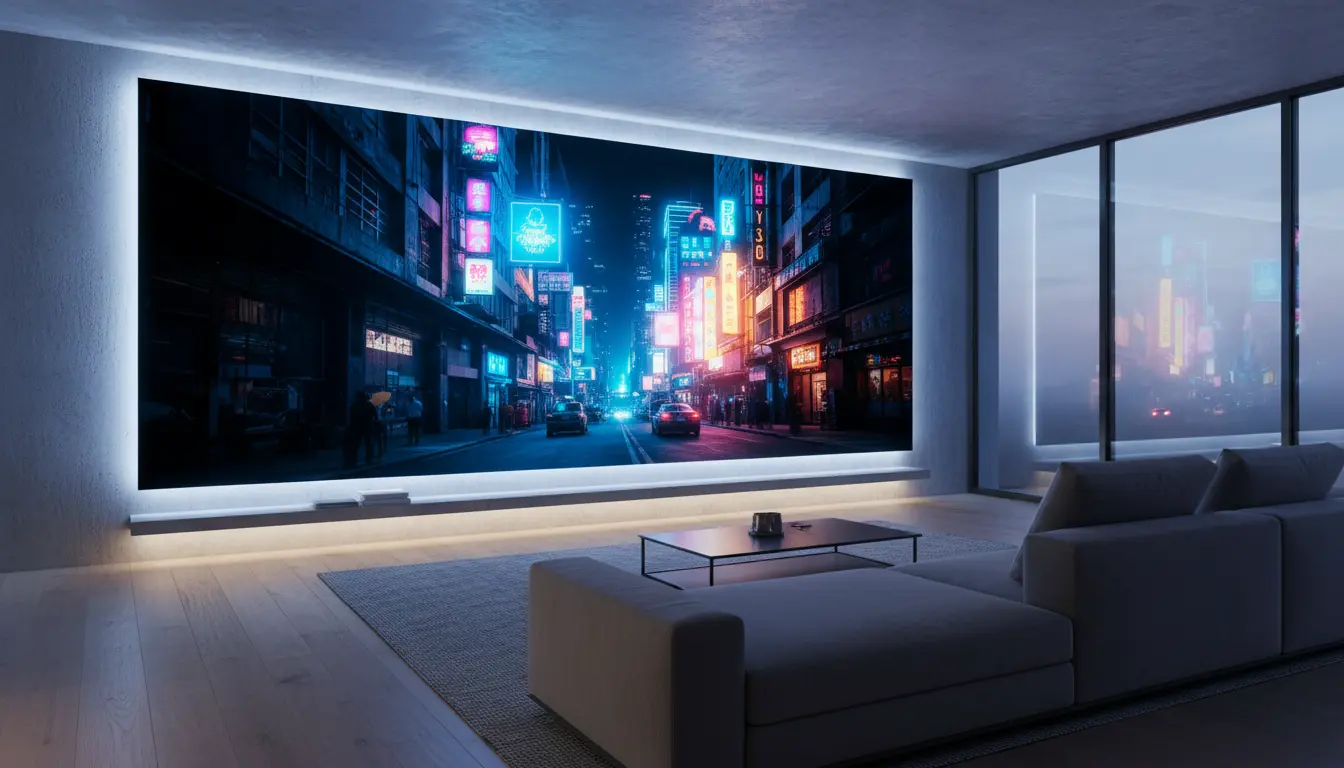

8K MicroLED Panels: Ultra-Bright, Durable Displays Shaping the Future
8K microLED panels are rapidly becoming the next big leap in display technology. Combining ultra‑high resolution with extreme brightness and exceptional durability, they offer a compelling alternative to traditional LCD and OLED screens. For consumers, businesses, and professional content creators, 8K microLED displays promise sharper images, longer lifespans, and better performance in almost every environment.
This article explains what makes 8K microLED panels unique, shows how they work, clarifies why they deliver such high brightness and durability, and highlights where people use them today and where they will use them in the near future.
What Is an 8K MicroLED Panel?
An 8K microLED panel is a display that uses microscopic light‑emitting diodes as individual pixels, with a native resolution of 7680 x 4320 pixels. That’s approximately 33 million pixels on a single screen. Each pixel is made from tiny red, green, and blue micro‑sized LEDs that emit light independently.
Unlike LCD displays, microLED panels do not require a backlight. Each microLED is a self‑emissive light source, similar to OLED, but built from inorganic materials such as gallium nitride (GaN). This inorganic structure is key to microLED’s impressive brightness, energy efficiency, and durability.
Why 8K Resolution Matters
8K might sound like overkill, especially when many users are still upgrading from Full HD and 4K. However, 8K resolution offers several tangible benefits:
- Extreme Detail and Clarity
With four times the pixels of 4K, 8K microLED displays deliver incredibly sharp images. Fine textures, small text, and intricate patterns remain clear even up close, which is critical for large video walls and high‑end home theater setups. - More Natural and Immersive Viewing
The human eye can perceive more detail than 4K provides on very large screens or when viewed at short distances. 8K fills this gap, creating a more lifelike and immersive experience that is especially valuable in professional visualization, medical imaging, and high‑end gaming. - Better Scaling for Future Content
Although native 8K content is still limited, modern upscaling algorithms and AI‑powered processors can enhance 4K and even HD content to look noticeably better on 8K microLED panels.
Ultra Brightness: The Key Advantage of MicroLED
One of the defining features of microLED technology is its ultra‑high brightness. While OLED displays typically reach around 800 to 1,500 nits in consumer devices, microLED panels can achieve several thousand nits or even more in professional installations. This brings several advantages:
- Superior Outdoor Visibility
In bright environments, especially outdoors or in glass‑heavy spaces, regular displays often look washed out. 8K microLED panels maintain contrast and color accuracy even in direct sunlight, making them ideal for digital signage, outdoor advertising, and large venue displays. - High Dynamic Range (HDR) Performance
The combination of high peak brightness and deep blacks allows microLED displays to reproduce HDR content with exceptional realism. Highlights such as sunlight reflections, explosions, or bright city lights appear vivid without losing detail in darker areas. - Color Accuracy at High Brightness Levels
Many display technologies lose saturation and accuracy as brightness increases. MicroLED panels are designed to maintain consistent color performance across a wide brightness range.
Durability and Longevity of MicroLED Panels
Durability is another area where 8K microLED displays stand out. The inorganic LEDs used in microLED panels are more stable and robust than the organic compounds used in OLED.
Key durability benefits include:
- Resistance to Burn‑In
OLED screens are susceptible to burn‑in, where static images leave permanent ghost‑like traces. MicroLED panels are significantly more resistant, even when displaying static logos, UI elements, or dashboards for long periods. - Longer Lifespan
Inorganic microLEDs can maintain brightness and color consistency for tens of thousands of hours. This makes them a smart long‑term investment for commercial installations, command centers, and 24/7 applications. - Better Physical Robustness
MicroLED manufacturers now design modules as tiled panels, which makes maintenance and replacement much easier. Installers can work with many 8K microLED video walls in a modular way, servicing individual sections without taking down the entire display.
Energy Efficiency and Thermal Performance
MicroLED panels deliver extreme brightness while still using energy very efficiently compared with many traditional display technologies. Because each pixel emits its own light, the display draws power only where and when it’s needed.
- Lower Power Consumption at Equivalent Brightness
For the same brightness level, microLED typically consumes less power than LCD with a backlight. This leads to reduced operating costs, especially in large commercial installations. - Improved Thermal Management
Efficient energy use translates into less heat generation. Cooler operation contributes to longer component life and more stable performance over time.
Color Quality and Viewing Experience
8K microLED panels deliver impressive color reproduction and wide viewing angles. Each microLED can be calibrated for precise color output, enabling:
- Wide color gamuts that cover or exceed DCI‑P3 and Rec.2020 standards
- Accurate color grading for professional content creators
- The screen maintains consistent color and brightness even when viewers watch it from the side.
For home cinema enthusiasts and professionals alike, this means vibrant, accurate images that look consistent from almost any angle in the room or venue.
Real‑World Applications of 8K MicroLED Panels
Their ultra brightness, durability, and flexibility drive more and more people to use 8K microLED panels in a wide variety of environments:
- Luxury Home Theaters and Premium TVs
High‑end consumers are turning to microLED for large‑format home cinema systems that combine 8K resolution, deep contrast, and long‑term reliability. - Commercial Digital Signage
Shopping malls, airports, stadiums, and flagship retail stores use 8K microLED video walls to deliver high‑impact advertising and brand experiences that remain visible in almost any lighting condition. - Control Rooms and Command Centers
Emergency operations, transportation hubs, and security facilities rely on large, always‑on displays. MicroLED’s long lifespan and burn‑in resistance make it an ideal choice for these mission‑critical environments. - Broadcast Studios and Production
Virtual production sets and broadcast studios are using microLED video walls to create realistic backdrops and real‑time environments, leveraging the combination of high resolution, brightness, and accurate color. - Corporate and Educational Environments
Large meeting rooms, lecture halls, and auditoriums benefit from the clarity and visibility of 8K microLED walls, especially when presenting detailed data, complex diagrams, or high‑resolution videos.
Challenges and Future Outlook
Despite their advantages, 8K microLED panels still face several challenges:
- High Manufacturing Costs
Producing millions of uniform, tiny LEDs and placing them precisely on a substrate is technically complex and costly. As manufacturing processes mature, prices are expected to decrease. - Limited Consumer Availability
Today, microLED is mostly found in large, premium installations and flagship products. Over time, the technology will likely become more accessible to mainstream consumers. - Content and Infrastructure Requirements
Delivering native 8K content demands powerful hardware, high‑bandwidth connections, and advanced processing. However, upscaling and compression technologies are improving quickly, making it easier to feed 8K microLED displays with high‑quality content even when true 8K sources are limited.
Looking ahead, 8K microLED panels are poised to become a central display technology in both professional and consumer markets. As costs come down and manufacturing scales up, more industries will adopt microLED for its combination of ultra brightness, durability, and image quality.