
Wall-Mounted and Stand Boxing Equipment for Effective Home Workouts
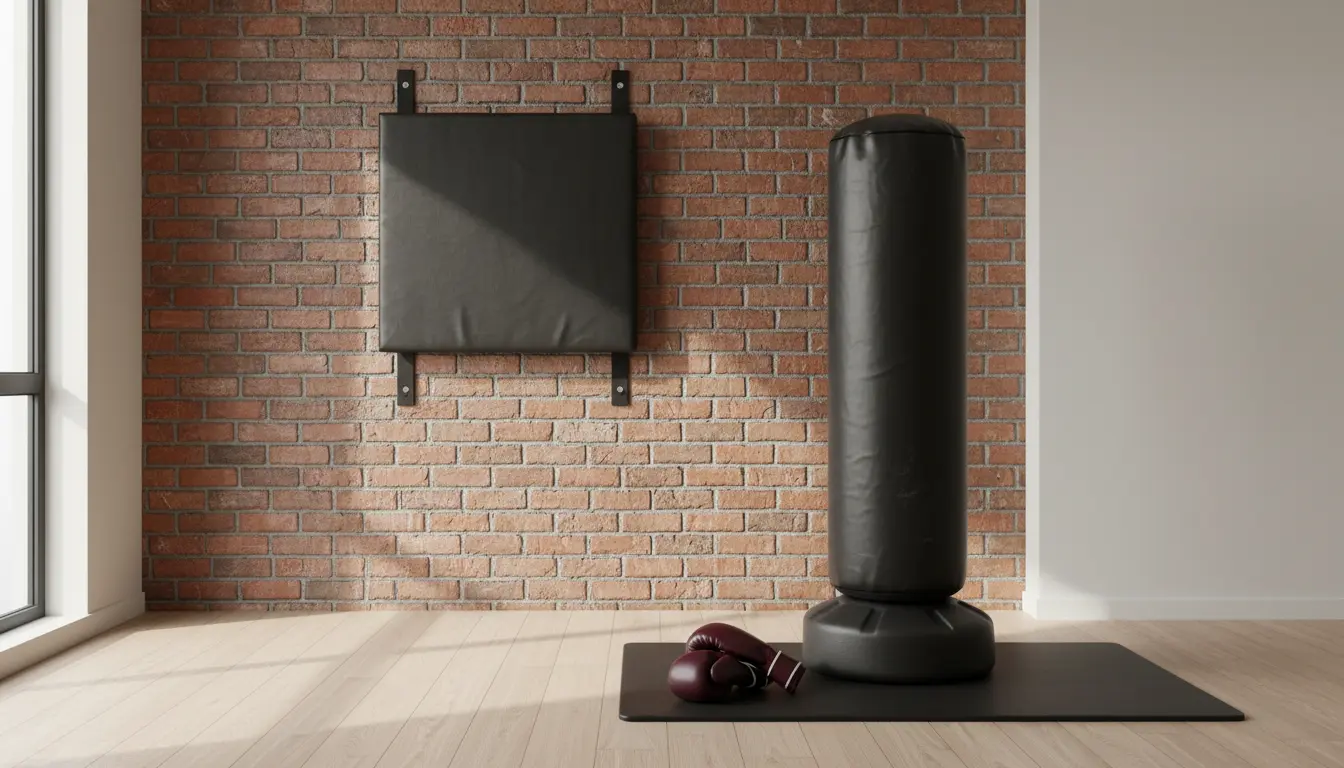
Training boxing at home is no longer limited to hanging a heavy bag from the ceiling. Today, you can choose between wall-mounted and stand-alone devices that fit even small apartments and rented homes. Picking the right equipment helps you build power, improve your technique, and protect your joints while keeping your neighbors happy.
This guide explains the benefits of both systems, how to choose the best one for your space and goals, and what to look for before buying. At the end, you’ll also find a practical product suggestion from Amazon.com.
Why Home Boxing Training Is So Popular
Home boxing training combines cardio, strength, and coordination in a compact workout. With the right setup, you can:
- Burn calories and lose fat
- Build upper-body and core strength
- Increase hand-eye coordination and reaction time
- Relieve stress in a healthy way
You don’t need a full gym to get started. A wall‑mounted boxing device or a free‑standing punching bag can turn one corner of your living room, garage, or balcony into an efficient training zone.
Wall-Mounted Boxing Devices: Pros and Cons
Wall-mounted devices come in several forms:
- Wall-mounted heavy bags
- Reflex or target panels
- Double-end balls attached to the wall
- Wooden or metal frames with pads and angles
Advantages of Wall-Mounted Systems
- Space-saving design
Wall-mounted devices usually sit close to the wall, which makes them ideal for narrow rooms and corridors. You can keep your floor area free for footwork, skipping rope, or bodyweight exercises. - High stability
When properly installed on a solid wall, these systems feel very stable. They do not move or tip over when you throw powerful punches. This stability allows you to practice combinations at full force. - Better for technique drills
Many wall-mounted units have clearly marked target zones or multiple pads at different heights. This design encourages correct punching angles, head-level shots, and body hooks. - Less floor damage
Because they do not rely on a large base filled with sand or water, they are less likely to scratch or dent your floor.
Disadvantages of Wall-Mounted Systems
- Installation required
You must drill into the wall and use strong anchors. This may not be allowed in every rental apartment, and it requires basic tools and know-how. - Limited mobility
Once fixed, the unit cannot be easily moved. If you decide to rearrange your room, the wall setup stays where it is. - Wall type limitations
Thin drywall or weak plaster walls may not handle the constant impact. A solid concrete or brick wall works best.
Stand Boxing Devices: Freestanding and Flexible
Stand boxing devices include freestanding heavy bags, reflex bars, and stand-mounted speed bags. They stand on the floor and do not require drilling or permanent fixtures.
Advantages of Stand Boxing Equipment
- No drilling, no wall damage
This is the main reason many people choose a stand unit. You avoid conflicts with landlords and you do not need special tools. - Highly portable
You can move a freestanding bag to another room, angle it differently, or store it in a corner when not in use. This flexibility is perfect for multi-purpose living spaces. - Versatile training options
Some stands support multiple attachments: heavy bag, speed bag, and double-end ball. This variety lets you work on power, speed, timing, and head movement in one place. - Beginner-friendly
Many freestanding bags are slightly softer and offer more bounce than a dense wall-mounted bag. This reduces the risk of wrist injuries for beginners.
Disadvantages of Stand Devices
- Less stable under heavy punches
Even high-quality stands can tip or slide when a strong boxer hits hard combinations. You might need to fill the base with sand or water and add weight plates for extra stability. - More floor space required
The base area is larger than a wall unit. In very small rooms, it can feel intrusive. - Noise and vibration
Some bases create more noise on hard floors. Using rubber mats under the stand helps absorb sound and vibrations.
How to Choose Between Wall-Mounted and Stand Units
When deciding which option is best for your home boxing setup, consider the following factors:
1. Available Space and Room Layout
- If you have limited floor space, a wall-mounted system will likely be more efficient.
- If you have a multi-purpose room where you need to move things around, a freestanding device offers better flexibility.
2. Type of Wall and Rental Rules
- Solid concrete or brick walls can safely support a wall-mounted punching bag.
- If you live in a rental with strict rules, a freestanding punching bag may be the safer choice to avoid drilling.
3. Training Goals and Experience Level
- For power and heavy bag work, both options can work, but a well-anchored wall unit usually feels more solid.
- For speed, precision, and reflex training, a stand with multiple attachments (speed bag, reflex bar, double-end ball) can be very effective.
- Beginners may appreciate the softer feel and adjustability of many freestanding models.
4. Noise and Neighbor Considerations
- Wall-mounted devices on shared apartment walls may transfer vibration to neighbors. Using foam or rubber padding between the bracket and the wall can help.
- Freestanding bags often generate noise when the base rocks. Placing the base on thick rubber gym mats reduces impact noise.
Key Features to Look For in Any Home Boxing Device
Regardless of whether you choose a wall-mounted or a stand model, look for these features:
1. Durable Materials
- Outer shell: Synthetic leather (PU) or genuine leather for durability
- Inner filling: Well-distributed foam or textile scraps for consistent resistance
- Frame and hardware: Strong steel construction, rust-resistant bolts and brackets
2. Height and Adjustability
- Devices with adjustable height or multiple mounting holes allow you to set the correct level for your reach and stance.
- If more than one person will use the device, adjustability becomes even more important.
3. Safety and Joint Protection
- Choose a bag with enough padding to protect your hands.
- Always use quality boxing gloves and hand wraps during training.
- Check that there are no sharp edges, exposed bolts, or unstable parts that could cause injury.
4. Ease of Assembly
- Look for clear instructions, labeled parts, and included hardware.
- Read user reviews to see if customers mention difficult installation or missing components.
Tips for Getting the Most Out of Your Home Boxing Setup
Warm Up Properly
Before you start hitting the bag, spend at least 5–10 minutes on:
- Skipping rope
- Light shadowboxing
- Mobility drills for shoulders, hips, and wrists
This routine prepares your muscles and joints for impact.
Focus on Technique, Not Just Power
Good form protects your body and improves performance:
- Keep your guard up and chin slightly down.
- Rotate your hips and shoulders with every punch.
- Use your legs to generate power, not just your arms.
Filming one or two rounds on your phone can help you identify mistakes and track improvement.
Combine Different Rounds
Design balanced workout sessions:
- Warm-up round: Light punches and footwork
- Technical round: Focus on jabs, crosses, and basic combinations
- Power round: Short bursts of heavy shots
- Speed round: Fast, lighter punches with minimal rest
- Cool-down round: Slow shadowboxing and stretching
This structure keeps training fun and ensures progress without overtraining.
Simple Maintenance for Long-Lasting Equipment
To keep your wall-mounted or stand boxing device in top shape:
- Wipe the surface with a damp cloth after training to remove sweat and dust.
- Check the bolts and screws weekly and tighten them if needed.
- Inspect the chains, straps, or mounting brackets for signs of wear.
- If you notice uneven filling, redistribute it by kneading the bag gently.
Regular maintenance extends the life of your equipment and prevents unexpected failures during hard sessions.
Example Product Suggestion from Amazon.com
A popular and well-rated option on Amazon.com for home boxing training is the Everlast PowerCore Freestanding Heavy Bag. It is a stand boxing device with an adjustable height and a sturdy base that can be filled with water or sand. This model is suitable for beginner to intermediate users who want a flexible, no-drill solution for home workouts.