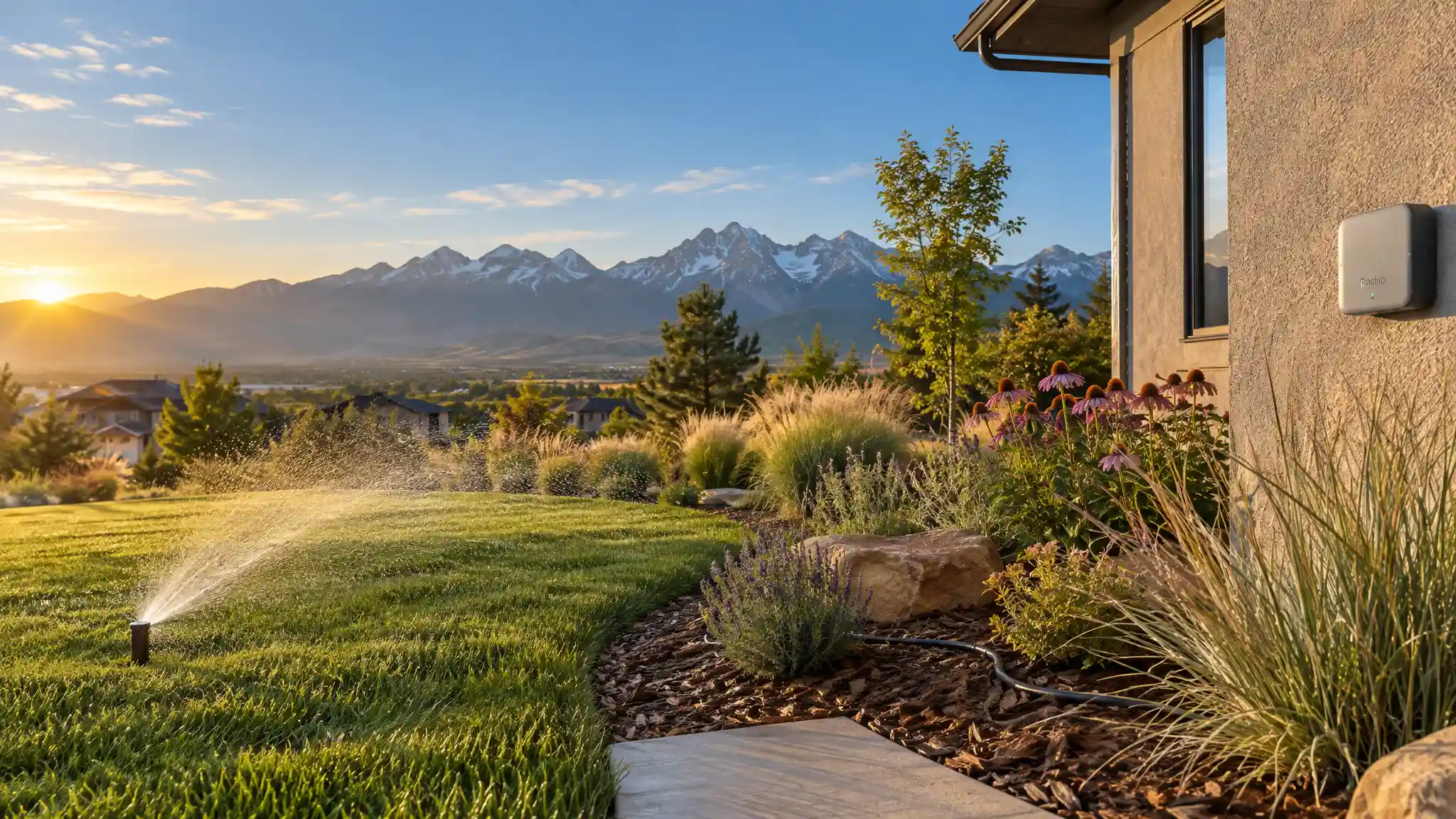

Smart Irrigation Methods for Water Conservation in Colorado
Colorado landscapes face a demanding combination of bright sun, thin air, windy afternoons, variable spring weather, and long dry periods. A beautiful yard does not have to rely on wasteful watering, however. The most effective Colorado water conservation strategy combines smart irrigation technology with plant-aware design, careful scheduling, and regular system checks. Instead of applying water by habit, homeowners can deliver it only when soil and plants genuinely need it. This approach protects landscape health while reducing runoff, evaporation, and unnecessary utility use.
Install a Weather-Based Smart Irrigation Controller
A weather-based irrigation controller is often the strongest upgrade for an existing sprinkler system. Unlike a basic clock timer, it can adjust watering duration and frequency using weather information, seasonal conditions, or local forecasts. Many models let users pause a schedule remotely, review activity, and create distinct programs for different zones.
For reliable results, enter accurate site details during setup. Identify each zone’s plant material, exposure, soil, sprinkler type, and slope. Then review the schedule after major weather changes rather than treating automation as a set-and-forget solution. A smart controller works best when it reflects the actual landscape. It should reduce irrigation after cool or wet periods and increase it only when plants and soil conditions justify the change.
Use Soil Moisture Sensors for Ground-Level Decisions
Weather data estimates demand, but soil moisture sensors show what is happening below the surface. A sensor can prevent watering when the root zone still holds adequate moisture. This matters in Colorado, where a dry-looking surface does not always mean plants need more water.
Place sensors where they represent the zone, not beside a downspout, compacted path, or unusually wet spot. Set them at an appropriate root depth and inspect them periodically. Gardeners should also verify readings by checking soil with a hand trowel. Used together, a smart controller and soil moisture monitoring create a more responsive system: weather guides the plan, while the soil confirms whether irrigation is necessary.
Choose Drip Irrigation for Beds, Trees, and Shrubs
Drip irrigation helps Colorado gardens by delivering water slowly near plant roots. This targeted method limits overspray onto sidewalks, fences, and weeds, and it can reduce evaporation compared with high-spray watering. It is particularly useful for vegetable beds, foundation plantings, young trees, shrubs, and containers.
Use pressure-regulating components, a filter, and correctly spaced emitters so the system performs evenly. Cover drip lines with mulch where appropriate, but keep emitters accessible for inspection. Check for clogged emitters, cracked tubing, and lines displaced by wildlife or garden work. Drip irrigation does not eliminate maintenance; it makes precise watering possible when homeowners maintain it well.
Improve Sprinkler Efficiency and Prevent Runoff
Conventional sprinklers can still support water-efficient landscaping when they are matched, maintained, and scheduled carefully. Replace broken heads, correct tilted risers, and choose nozzles that distribute water evenly across each zone. Water should land on roots, not pavement. If water flows down a driveway or pools at the curb, stop the cycle and investigate.
Use cycle and soak irrigation on sloped ground or compacted clay soils. Rather than running one long session, divide the total watering time into shorter cycles separated by a soaking period. This method allows water to move into the soil before the next cycle begins. It reduces runoff and gives roots a better chance to access the water applied. Adjusting runtime is often more effective than simply adding another watering day.
Schedule Water for Colorado Conditions
Early morning irrigation usually offers the best balance of lower wind, cooler temperatures, and time for foliage to dry. Avoid regular midday watering, when sun and wind can increase evaporation, and avoid late-night schedules that may leave leaves wet for extended periods. Local watering restrictions may also shape the schedule, so homeowners should check their municipality’s current rules before programming a controller.
Watch the landscape, not only the calendar. Footprints that remain visible in turf, bluish-gray grass, wilting in the morning, or dry soil at root depth can signal a need for water. By contrast, constantly damp ground, mushrooms, runoff, or weak shallow roots can signal overwatering. Deep, less frequent irrigation generally encourages stronger roots than frequent shallow applications, provided the amount matches the soil and plant needs.
Pair Technology with Xeriscape Principles
Smart irrigation delivers greater value when the landscape needs less water in the first place. Xeriscape landscaping does not mean covering the yard with rock. It means designing with water needs in mind. Choose climate-appropriate plants, protect soil with organic mulch, reduce difficult-to-water turf areas, and improve soil gradually with compost where suitable.
Native and adapted plants can create seasonal color, habitat, and texture while fitting Colorado’s climate. Place higher-water plants near the home or in easily managed areas, then use tougher plant palettes farther out. Maintain mulch depth, remove invasive weeds, and avoid crowding plants. These practices reduce competition for water and help irrigation reach intended roots rather than bare soil.
Inspect, Measure, and Adjust Through the Season
Even advanced equipment needs human attention. Walk the property while each zone runs at least several times during the growing season. Look for misting, leaks, blocked spray, uneven coverage, and pooling. Review controller reports and compare them with the condition of the landscape. A healthy-looking zone may need less water than the programmed schedule supplies.
Measure output with simple catch cups placed across a sprinkler zone. Uneven amounts may indicate a nozzle, pressure, or spacing problem. For drip zones, inspect emitter flow and wetting patterns. Make one change at a time and observe results. This deliberate process helps homeowners improve irrigation efficiency without stressing plants or guessing at the cause of a problem.
Conclusion
Colorado smart irrigation succeeds when homeowners combine weather-based control, soil moisture awareness, efficient drip irrigation, runoff control, and routine observation. Watering according to real landscape needs protects plants, conserves resources, and keeps outdoor spaces attractive. It also turns daily landscape care into a measured, adaptable practice that respects Colorado’s weather, soil, and changing seasonal demands for years.
Amazon Product Recommendation
Gardena Water Control Select — A programmable irrigation controller that offers flexible watering schedules and a manual “Water Now” function.