
Virtual Cycling Apps: How Tech Is Gamifying Indoor Cycling in 2026
Indoor cycling has moved far beyond staring at a wall, following a timer, and counting down the minutes until a workout ends. In 2026, virtual cycling apps are turning home training into an interactive experience built around competition, exploration, community, and measurable progress. Riders can now pedal through digital mountain roads, enter live races, join group rides, chase personal records, and unlock achievements without leaving home.
The rise of the virtual cycling apps market reflects a major shift in how people approach fitness. Instead of treating a stationary bike workout as a repetitive chore, cyclists can enter a connected fitness environment that rewards effort and creates a clear reason to return. Whether someone trains for a real outdoor event or simply wants a more exciting way to stay active, cycling technology now makes every session feel more purposeful.
Why Indoor Cycling Needed a Digital Upgrade
Traditional indoor cycling offers practical advantages. It removes weather barriers, traffic risks, and time-consuming travel. However, it often lacks the scenery, unpredictability, and social energy of outdoor riding. Many people stop using their exercise bikes because routine workouts feel monotonous.
Virtual cycling apps solve that problem by adding a game-like layer to the workout. They transform physical effort into digital movement. When a rider pedals harder, their avatar accelerates. When the route climbs, a smart trainer can increase resistance. This direct connection between real-world effort and virtual results keeps riders mentally involved.
Gamification does not simply make workouts entertaining. It also creates structure. Riders can set targets, complete challenges, earn badges, compare performance data, and track improvements over time. These features turn vague intentions such as “I should exercise more” into specific, achievable goals.
Immersive Virtual Worlds Make Every Ride Feel Different
One of the strongest reasons people use virtual cycling apps is the variety of environments. Instead of riding in the same room every day, users can explore realistic digital roads, city routes, mountain passes, coastal paths, and fantasy-style worlds. This variety gives indoor cycling a sense of discovery.
A virtual bike training platform can also offer routes with different difficulty levels. Beginners may choose short, flat courses, while experienced riders can tackle steep climbs, long endurance routes, or high-intensity challenges. The ability to select a route based on time, fitness level, and mood makes training more flexible.
Immersive cycling workouts also help riders stay focused. Visual movement provides feedback that a simple bike display cannot match. Seeing an avatar approach a climb or cross a finish line creates momentum. The rider does not just watch numbers change; they actively participate in a digital journey.
Smart Trainers Bring Physical Realism to Virtual Cycling
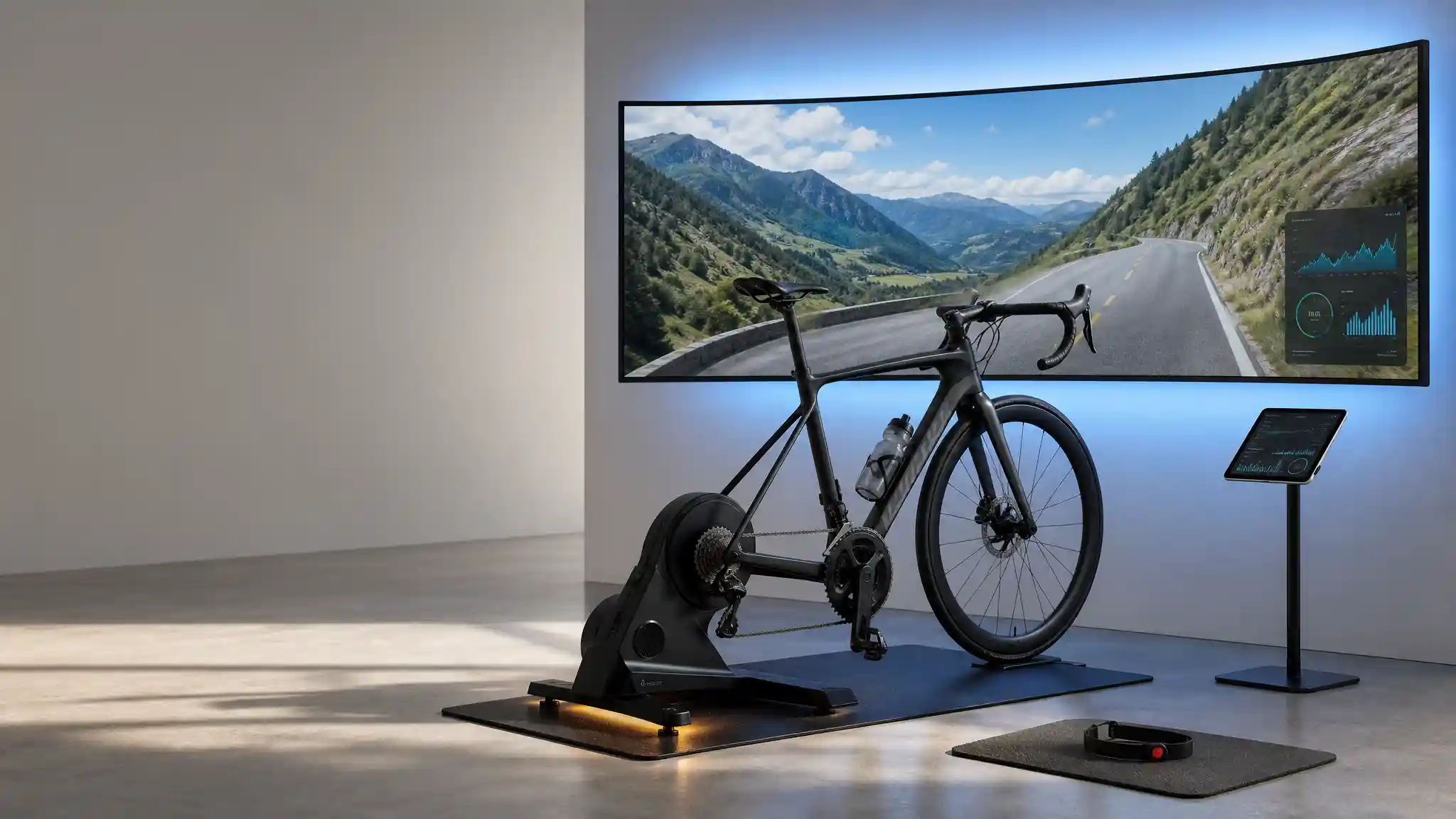
The smart trainer is one of the most important pieces of indoor cycling technology in 2026. Unlike a basic stationary bike, a smart trainer can communicate with compatible apps and automatically adjust resistance based on the virtual terrain.
For example, when a rider enters a steep digital climb, the trainer can make pedaling harder. When the route descends, resistance can decrease. This feature creates a more realistic ride simulation and helps cyclists prepare for outdoor conditions.
Smart trainer compatibility also allows apps to collect valuable performance information, including cadence, speed, power output, heart rate, and estimated calories. Riders can use this data to understand their fitness level and make better training decisions.
For serious athletes, power-based training provides a major advantage. Instead of guessing how hard they are working, cyclists can follow structured workout plans built around measurable targets. This approach supports more efficient endurance training, recovery rides, interval sessions, and race preparation.
Virtual Racing Adds Competition Without the Travel
Virtual racing has become one of the most engaging features in indoor cycling apps. Riders can compete against people from different locations in real time, creating a fast-paced workout that feels more like an event than a solo session.
Unlike outdoor races, virtual races are easier to access. Riders do not need to travel to a venue, wait for a scheduled event nearby, or worry about road conditions. They can enter a race from home and compete in categories based on ability, power, age group, or experience level.
This accessibility has helped grow the online cycling community. New riders can test themselves in a less intimidating environment, while experienced cyclists can find competitive sessions almost any time of day. Virtual racing also encourages consistency because regular participation gives riders a reason to improve their speed, pacing, and stamina.
However, riders should approach competition intelligently. Not every workout needs to become a maximal effort. Mixing hard races with recovery sessions and steady endurance rides helps prevent burnout and supports long-term progress.
Social Features Make Indoor Training Less Isolated
Fitness often becomes easier when people feel connected to others. Virtual cycling apps now include social features that reduce the isolation of training at home. Riders can join group rides, communicate with teammates, follow friends, celebrate achievements, and participate in community events.
A group ride can motivate people who would otherwise skip a session. When a ride is scheduled and friends expect participation, riders are more likely to show up. This sense of accountability makes connected fitness especially valuable for people with busy routines.
Cycling apps also encourage cooperation through team challenges and shared mileage goals. A group may work together to complete a long-distance target, climb a certain number of virtual meters, or maintain a weekly riding streak. These activities create collective motivation without requiring intense competition.
For many users, the online cycling community becomes as important as the workout itself. Riders can meet people with similar goals, exchange training advice, and enjoy a shared hobby regardless of location.
AI-Powered Personalization Improves Training Quality
In 2026, artificial intelligence plays an increasingly important role in fitness technology. Virtual cycling apps can use workout history, performance data, and rider preferences to recommend appropriate sessions. Rather than forcing everyone into the same plan, the platform can adapt to individual needs.
For instance, an app may identify that a rider performs well during short intervals but struggles with endurance. It can then suggest longer low-intensity sessions, pacing guidance, and recovery days. If the rider misses workouts, the app can adjust the plan instead of treating the missed sessions as failure.
AI-driven personalization also helps beginners avoid a common mistake: training too hard too quickly. A well-designed cycling app can gradually increase difficulty, helping users build confidence and fitness without making every ride exhausting.
This approach makes personalized cycling training more sustainable. People are more likely to continue exercising when workouts feel challenging but achievable. The best platforms balance ambition with realistic guidance.
Rewards, Streaks, and Challenges Drive Consistency
Gamification works because it gives people immediate feedback. In virtual cycling apps, every ride can contribute to a larger goal. Riders may earn points, level up their profiles, unlock equipment for their avatars, complete route badges, or maintain weekly activity streaks.
These rewards may seem simple, but they can influence behavior. A rider who considers skipping a workout may decide to complete a short session to protect a streak or finish a monthly challenge. Over time, these small decisions build a stronger exercise habit.
Cycling challenges also give riders variety. One month may focus on climbing, while another may reward distance, consistency, or race participation. This changing format prevents indoor training from becoming predictable.
Importantly, rewards should support healthy habits rather than encourage overtraining. The most useful apps recognize recovery, consistency, and gradual progress—not only maximum effort. A rest day can be just as valuable as a hard ride when it supports a sustainable training routine.
Data Turns Progress Into Motivation
Modern cycling technology gives users more information than ever before. A rider can review power output, heart rate zones, cadence, distance, elevation, and training load after each session. While data can feel overwhelming at first, it becomes valuable when riders focus on a few meaningful metrics.
For example, a cyclist may track whether they can maintain the same power output at a lower heart rate. Another rider may watch improvements in cadence control or complete longer rides at a comfortable pace. These indicators show progress even when body weight or appearance does not change immediately.
Data also supports better goal setting. Rather than saying, “I want to get fitter,” a rider can aim to complete three indoor cycling sessions each week, improve a benchmark route time, or increase endurance over a specific period.
The key is to use data as guidance, not pressure. Metrics should help riders understand their bodies and celebrate improvement. They should not turn every workout into a stressful test.
Choosing the Right Virtual Cycling Setup
A good virtual cycling experience does not always require the most expensive equipment. Beginners can start with a stationary bike, a tablet mount, and an app that supports basic workout tracking. As motivation and experience grow, riders can add heart-rate monitors, cadence sensors, or a smart trainer.
Before choosing an app or setup, users should consider several factors:
- Compatibility: Confirm that the app works with the bike, trainer, sensors, and device you already own.
- Workout style: Decide whether you prefer virtual racing, scenic routes, instructor-led sessions, or structured training plans.
- Community: Look for group rides and social features if accountability matters to you.
- Data depth: Choose detailed performance analysis only if you plan to use it.
- Budget: Avoid paying for advanced features that do not match your actual training goals.
The right platform is the one that makes you want to ride consistently. A simple setup used three times a week is more valuable than a premium system that remains unused.
The Future of Gamified Indoor Cycling
Virtual cycling will continue to evolve as fitness platforms improve their graphics, personalization, sensor integration, and social tools. The most successful apps will not merely imitate outdoor cycling; they will create experiences that outdoor riding cannot easily offer. Riders will be able to join global events, follow adaptive workout plans, compete across skill levels, and enjoy immersive routes whenever they have time.
Ultimately, gamified indoor cycling succeeds because it combines exercise with motivation. It gives riders goals to pursue, communities to join, and visible progress to celebrate. In 2026, virtual cycling apps are not replacing real roads for everyone. Instead, they are making indoor training more engaging, social, and effective than ever.
Amazon Product Recommendation
For riders who want a tablet-ready indoor bike with low-noise operation and app-focused workout support, consider the YOSUDA Exercise Bike on Amazon. Verify current availability, specifications, and compatibility before purchasing.