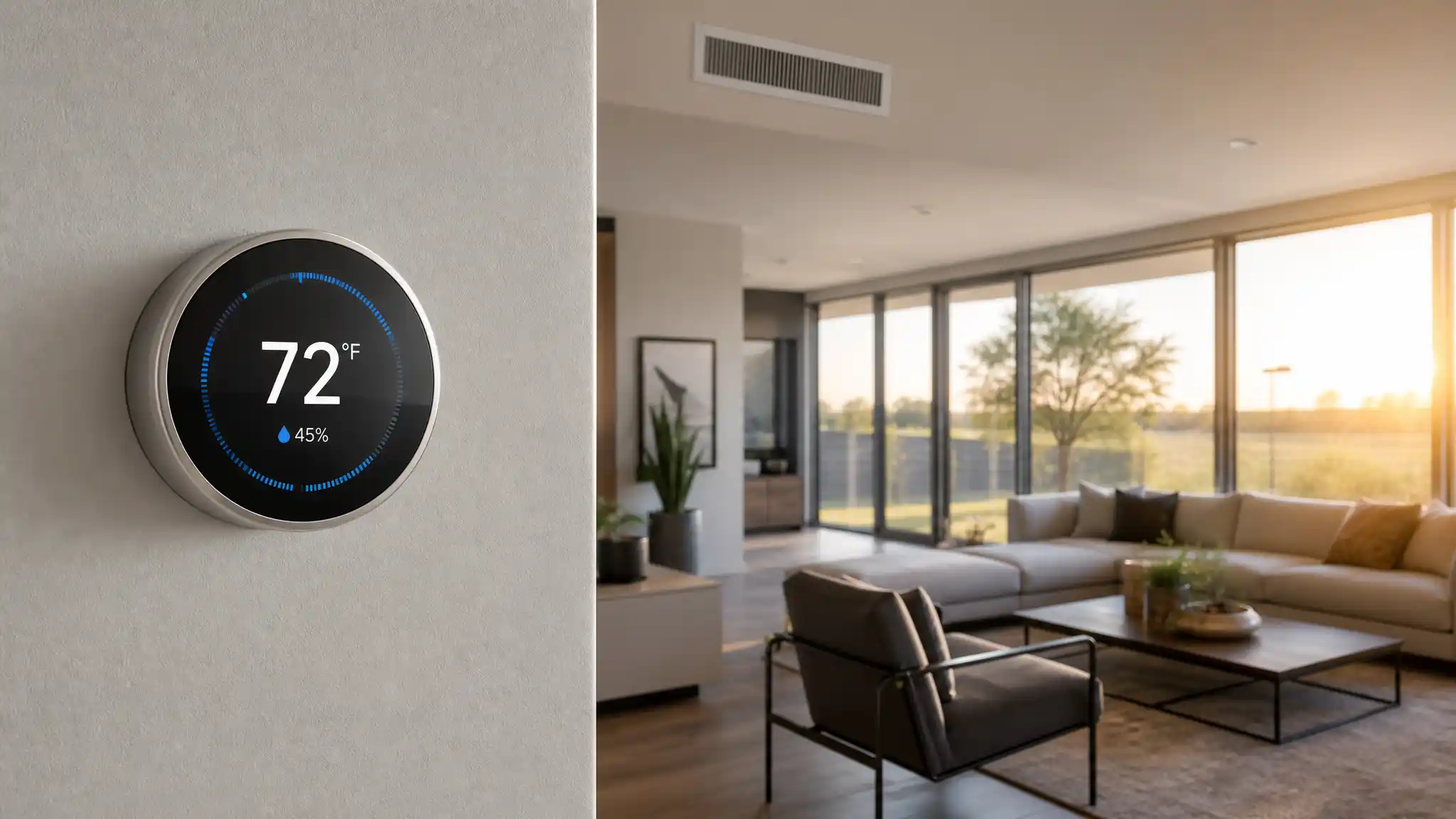

Best Smart Thermostats for Texas Summers: Stay Cool, Comfortable, and Energy Efficient
Texas summers place serious pressure on home cooling systems. Long stretches of high temperatures, strong sun exposure, and humid air can make an ordinary thermostat feel inadequate. A smart thermostat gives homeowners more control over indoor comfort while helping the HVAC system operate with greater precision.
The best smart thermostats for Texas summers do more than display a temperature. They create cooling schedules, allow remote adjustments, monitor usage, and, in some models, account for humidity and room-by-room temperature differences. For homeowners who want a cooler home without running the air conditioner harder than necessary, a smart upgrade can be a practical investment.
Why Texas Homes Need a Smarter Cooling Strategy
A Texas air conditioner often works for many hours each day during summer. If the thermostat uses only one fixed temperature, it may cool an empty house unnecessarily or fail to address hot rooms that receive direct afternoon sunlight.



A Wi-Fi thermostat solves many of these issues by connecting your HVAC system to an app. You can raise the setting when everyone leaves, begin cooling before you return, and review how your household uses energy. This type of remote temperature control makes it easier to respond to changing weather and unexpected plans.
Smart scheduling also improves consistency. Instead of manually lowering the temperature every evening, you can set a routine that prepares bedrooms before bedtime. The thermostat handles the adjustments automatically, helping your home stay comfortable through Texas heat waves.
Features to Look for in a Smart Thermostat
Not every device offers the same benefits. Before choosing a model, focus on features that match both your home and your cooling system.
Humidity Monitoring and Indoor Comfort
High humidity can make a home feel warmer than the thermostat reading suggests. That is why humidity monitoring matters, especially in humid Texas regions. Some advanced models track indoor moisture levels and adapt cooling behavior to improve comfort.
A thermostat cannot replace a dedicated dehumidifier or repair an HVAC problem, but it can help you understand why a room feels sticky even when the air conditioner is running. When paired with proper maintenance, humidity-aware controls support better indoor air quality and a more balanced indoor environment.
Smart Scheduling and Geofencing
A reliable programmable thermostat should make daily cooling easier, not more complicated. Look for flexible schedules that allow different temperature settings for mornings, work hours, evenings, and sleep.
Many systems also offer geofencing technology. This feature uses your phone’s location to recognize when you leave or approach home. Your thermostat can reduce cooling while the house is empty and restore your preferred setting before you arrive. Used thoughtfully, geofencing reduces unnecessary AC runtime without forcing you to come home to a hot house.
Room Sensors for Uneven Temperatures
Texas homes frequently have warm upstairs bedrooms, sun-facing living rooms, or home offices that become uncomfortable in the afternoon. A thermostat located in a central hallway cannot always reflect what is happening in those spaces.
A smart thermostat with room sensors can address this problem. These sensors measure temperature in selected rooms and help the system prioritize the areas you use most. For example, you can focus on the living room during the day and the primary bedroom at night. This approach supports improved zoned cooling without requiring a complete HVAC redesign.
HVAC Compatibility and C-Wire Requirements
Always confirm HVAC compatibility before buying a thermostat. Some homes use single-stage air conditioning, while others have multi-stage cooling, heat pumps, or more complex equipment. A thermostat that does not support your system may limit performance or fail to use important efficiency features.
You should also check whether the model needs a C-wire installation. The C-wire provides continuous power for many Wi-Fi-enabled thermostats. Some devices include an adapter or alternative solution, but professional installation can prevent wiring mistakes and protect your HVAC equipment.
How Smart Thermostats Can Lower Summer Energy Use
A smart thermostat does not create cold air more efficiently than your AC unit can produce it. Instead, it reduces waste by helping your system cool at the right time, for the right duration, and at the right temperature.
For example, a thermostat can avoid cooling an empty home all afternoon, notify you about unusual temperature changes, and show usage patterns through an energy dashboard. These features help homeowners make informed choices instead of guessing why their energy bill increased.
The strongest energy saving thermostat strategy combines smart controls with basic HVAC care. Replace air filters regularly, seal major air leaks, keep vents open, and schedule professional maintenance before peak summer demand. Your thermostat works best when the air conditioner, ductwork, insulation, and airflow all work together.
Texas households may also find utility programs that support connected thermostat use. For example, TXU Energy states that qualifying customers may connect compatible devices for conservation events, with the ability to override temperature adjustments when needed. Review the terms carefully before enrolling in any demand response program. TXU Energy Connected Conservation
Smart Home Integration Makes Cooling Easier
A thermostat should fit into your existing routine. If you already use Alexa, Google Assistant, Siri, or another platform, choose a model with suitable smart home integration. Voice commands can be useful when cooking, carrying groceries, or preparing for bed.
You can also build automations around your daily life. An “Away” routine may raise the cooling setpoint, while a “Good Night” routine can lower it slightly and turn off lights. These connected actions make home comfort more convenient while helping you manage electricity use during the hottest hours.
Choosing the Right Model for Your Texas Home
The best choice depends on your system, home layout, and budget:
- Choose a basic Wi-Fi model for a smaller home with a straightforward single-stage AC system.
- Choose a humidity-aware thermostat if muggy indoor conditions are a frequent concern.
- Choose a device with sensors if upstairs rooms or sun-exposed spaces stay warmer.
- Choose a model with broad HVAC support if you have a heat pump, multi-stage system, or newer high-efficiency equipment.
- Consider professional installation if wiring is unclear or your system uses advanced controls.
Do not choose based on appearance alone. A stylish thermostat may still lack the room sensors, staging support, or app features your home needs. Review compatibility first, then compare the comfort and control features that will matter throughout the summer.
Amazon Product Recommendation
Sensi Smart Thermostat, Wi-Fi, DIY, Alexa, Energy Star Certified, ST55 is a solid option for homeowners seeking an accessible energy efficient thermostat with Wi-Fi control and a straightforward setup experience. Amazon lists it as compatible with Alexa and ENERGY STAR certified; confirm that it supports your HVAC configuration before purchasing. View the Sensi Smart Thermostat on Amazon