
Best EV Home Chargers for Arizona Homeowners
Choosing the best electric vehicle home charger in Arizona requires more than comparing charging speeds. Arizona homeowners must also consider extreme summer heat, outdoor installation conditions, electrical capacity, utility rates, connector compatibility, and daily driving habits. The right EV charging station can make electric vehicle ownership more convenient while helping you reduce charging costs over time.
For most households, a reliable Level 2 home EV charger offers the best balance between speed, convenience, and long-term value. However, Level 1 charging may still meet the needs of drivers with short daily commutes.
Why Home EV Charging Matters in Arizona
Arizona covers a large area, and many residents regularly drive long distances between suburbs, workplaces, shopping areas, and neighboring cities. Although public EV charging stations continue to expand, charging at home allows you to start each morning with a charged vehicle.
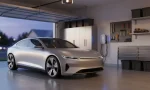
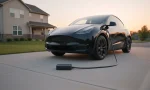
Home charging may also cost less than using public charging networks, especially when you charge during off-peak hours. Utility providers such as APS and other Arizona electricity companies offer rate plans that may reward customers for shifting energy use to lower-cost periods. Always check your current plan before changing your charging schedule because rates and program requirements can vary.
A home charger also reduces dependence on public charging stations during busy travel periods. For homeowners planning to keep an EV for several years, installing a dedicated charging station can be a practical home electrification upgrade.
Level 1 vs. Level 2 EV Chargers
A Level 1 EV charger uses a standard 120-volt household outlet. It usually provides a few miles of driving range per hour and does not normally require electrical upgrades. This option works well for plug-in hybrid owners, low-mileage drivers, or anyone who can leave the vehicle plugged in overnight for extended periods.
A Level 2 EV charger uses a 240-volt circuit and delivers substantially faster charging. Depending on the vehicle and charger output, it can add many more miles of range per hour than Level 1 equipment. Most Arizona homeowners who drive daily will prefer a Level 2 electric car charger because it can replenish the battery during overnight parking.
A DC fast charger is generally designed for commercial locations. Its high installation cost and significant power requirements make it impractical for most single-family homes.
Important Features for Arizona Conditions
Arizona’s hot climate makes temperature management especially important. Look for an EVSE with strong safety certifications, thermal monitoring, durable housing, and an appropriate outdoor rating if you plan to install it outside.
A weather-resistant EV charger can tolerate exposure to dust and occasional rain, but protection from direct sunlight remains valuable. A shaded garage or covered exterior wall may help reduce heat exposure. Keep the cable organized and avoid placing the charging connector directly on hot pavement.
Smart charging features can also improve convenience. Wi-Fi connectivity, mobile-app controls, charging schedules, energy monitoring, and automatic load management allow you to control when and how your vehicle charges. Scheduled charging can help you use off-peak electricity rates and avoid unnecessary peak-period consumption.
Connector Compatibility
Before buying a residential EV charging station, confirm that its connector matches your vehicle. Many electric vehicles use a J1772 connector for Level 2 charging, while Tesla and some newer vehicles use the NACS standard. Some vehicles can use an adapter, but you should confirm compatibility with the vehicle manufacturer.
If you own more than one EV or expect to change vehicles soon, consider a charger that supports your current connector while offering a practical path for future compatibility. Cable length also matters. A 20- to 25-foot charging cable can provide greater flexibility when the parking space does not sit directly beside the wall-mounted charger.
Electrical Installation and Safety
A Level 2 charger usually requires a dedicated 240-volt circuit. Before installation, a licensed electrician should inspect the electrical panel, calculate the household load, confirm the correct breaker size, and determine whether the existing wiring can support the charger safely.
Older homes may require a panel upgrade, additional wiring, or a shorter charging configuration. Hardwired chargers can provide a clean and permanent installation, while plug-in models offer easier removal and flexibility. A NEMA 14-50 outlet is common for plug-in Level 2 equipment, but the correct outlet depends on the charger and electrical design.
Do not use an extension cord with a high-power EV charger. Follow local permitting requirements and manufacturer instructions. Professional installation helps reduce the risk of overheating, nuisance breaker trips, and improper connections.
Choosing the Best Charger for Your Driving Habits
The best EV home charger depends on how far you drive each day. A driver with a short commute may not need the fastest available unit. A household with two electric vehicles may benefit from power sharing, dynamic load balancing, or a higher-capacity charger.
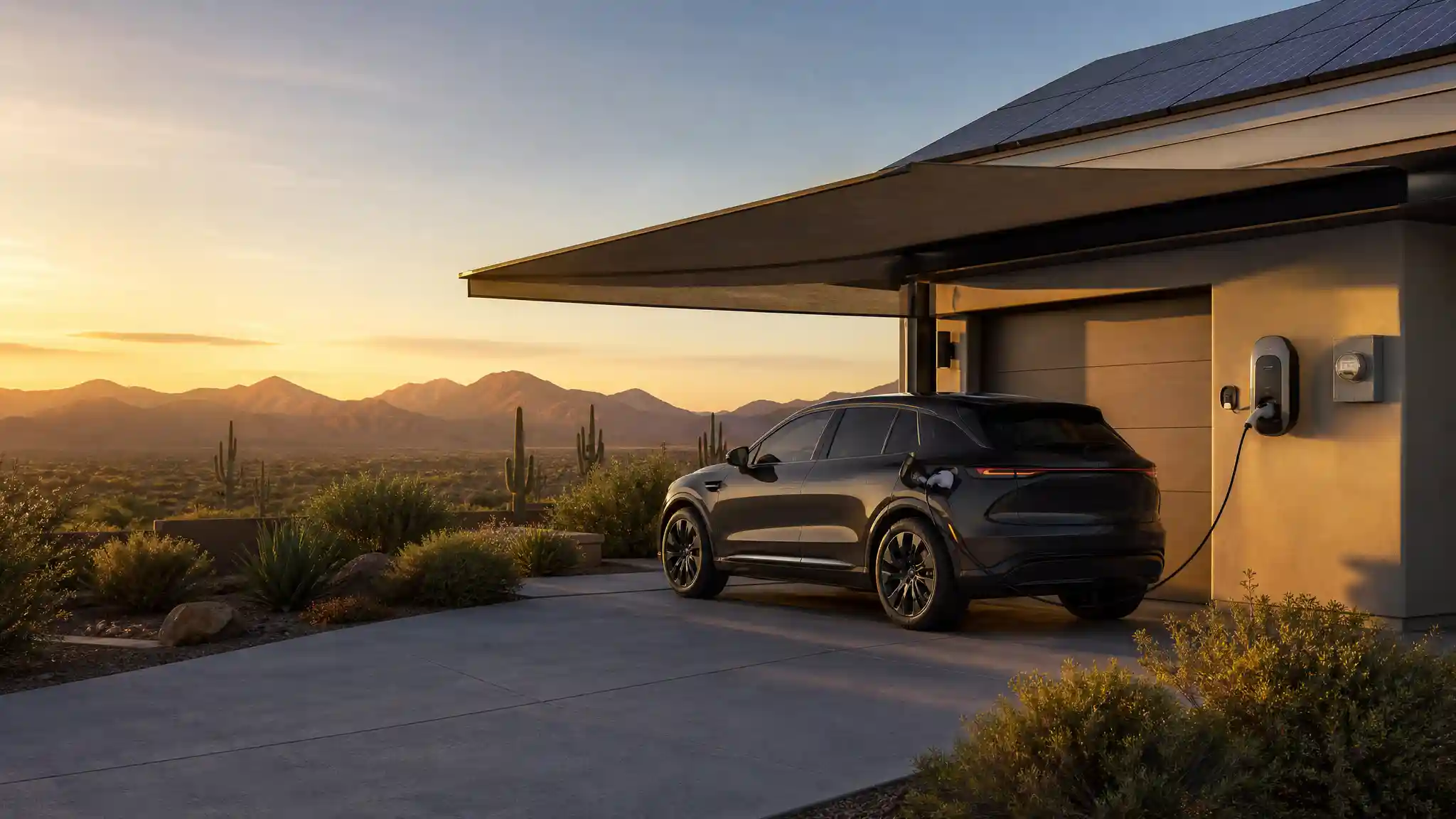
If you have solar panels, look for smart energy-management features that can coordinate charging with solar production. However, solar integration depends on your inverter, utility arrangement, battery system, and charger software. Ask a qualified installer to evaluate the complete system rather than assuming every smart charger works automatically with solar.
Recommended Amazon Product
One strong Amazon option is the ChargePoint HomeFlex Level 2 EV Charger. Amazon currently lists versions with J1772 and NACS connectors, smart controls, adjustable amperage, a long cable, and indoor/outdoor suitability. The listed J1772 model supports hardwired installation and Wi-Fi app control, while the NACS version targets compatible Tesla and other vehicles. Product availability, pricing, connector options, and customer ratings can change, so verify the exact model before ordering: ChargePoint HomeFlex on Amazon.
Final Buying Advice
For most Arizona homeowners, a Level 2 smart EV charger with appropriate weather protection, adjustable amperage, and verified safety certification is the most practical choice. Prioritize vehicle compatibility, electrical-panel capacity, cable reach, installation location, and utility-rate scheduling before focusing on maximum amperage.
A charger should support your daily routine without placing unnecessary stress on your electrical system. Compare the total cost of equipment, professional installation, permits, and possible electrical upgrades. With careful planning, home EV charging can provide dependable overnight power and a more convenient ownership experience in Arizona.