
Choosing the Best Smart Thermostats for Florida’s Seasonal Temperature Changes
Florida does not follow the sharp four-season pattern seen in many states. Long cooling periods, sudden rain, high humidity, and brief cool spells can make a fixed thermostat schedule inefficient. The best smart thermostats for Florida seasonal temperature changes respond to how people actually use their homes. They automate temperature setbacks, support remote control, and help an HVAC system work with changing conditions instead of against them.
A capable Wi-Fi thermostat is especially useful when afternoon heat builds quickly or a mild winter morning turns into a warm afternoon. Rather than constantly adjusting a wall control, homeowners can create schedules, use occupancy features, and review energy data.
Why Florida Homes Need a Different Thermostat Strategy
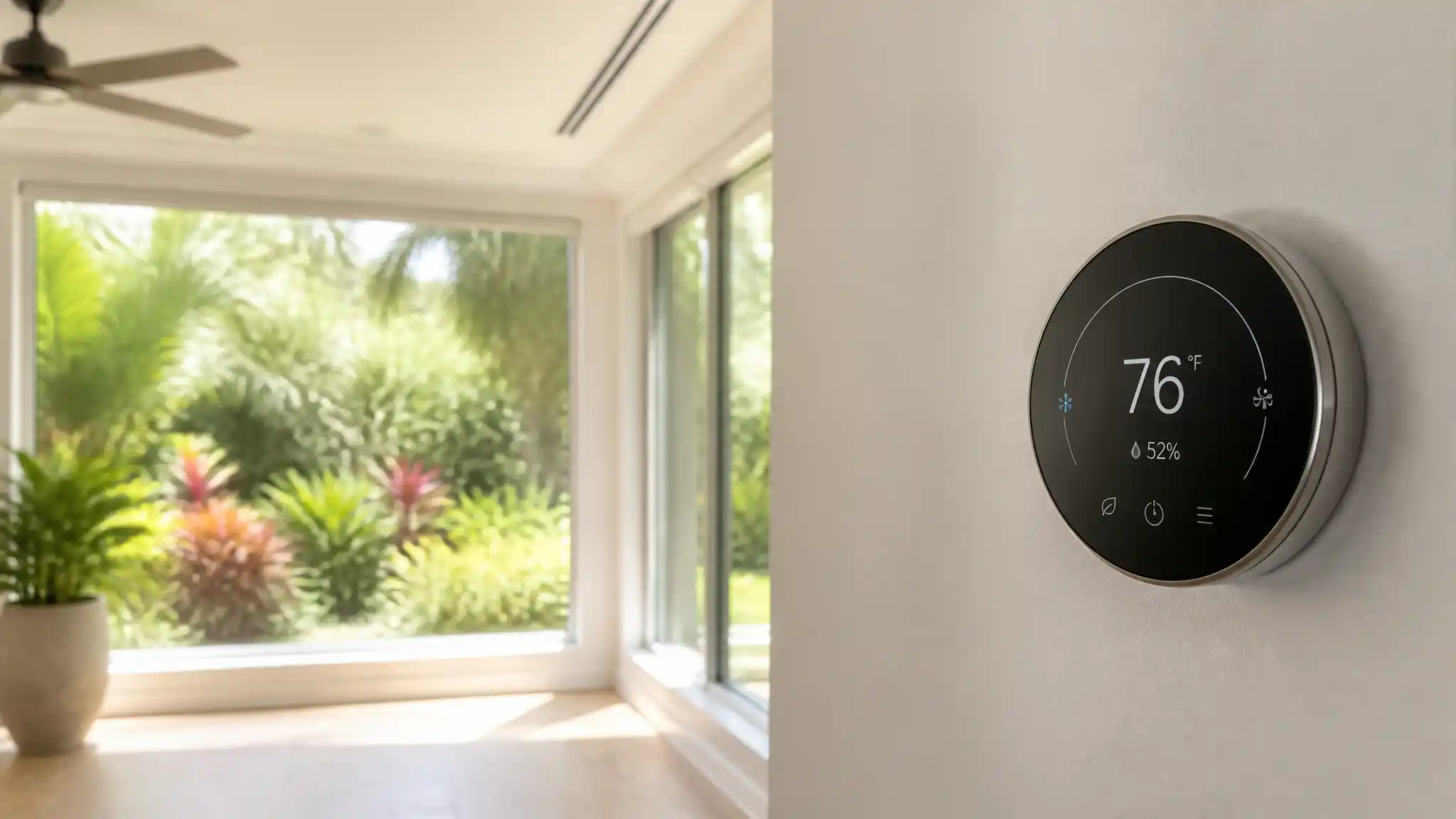
Florida comfort depends on both temperature and moisture. A home may feel warm and sticky even when the displayed temperature seems reasonable. For that reason, Florida humidity control should sit near the top of every buying checklist. A thermostat that tracks indoor humidity can provide useful visibility, while compatible equipment may use longer cooling cycles or a dedicated dehumidification setting to manage moisture more effectively.


Seasonal changes vary by region. Northern Florida can experience cooler winter nights, whereas southern areas often remain cooling-focused for much of the year. A smart thermostat for heat pump systems can handle transitions when it supports required wiring and stages. Before buying, identify whether you have central air, a heat pump, multi-stage equipment, or zoning.
Features That Make the Biggest Difference
Start with smart thermostat humidity sensor capability. It helps you understand whether discomfort comes from heat, moisture, or both. Then look for remote thermostat control through a dependable mobile app.
Geofencing thermostat technology can reduce unnecessary cooling when everyone leaves and restore a preferred setting as they return. Occupancy sensing offers another layer of automation, particularly for households with inconsistent routines. Energy usage reports are equally valuable because they reveal patterns without requiring guesswork. They can show whether a new schedule, filter change, or service visit improves HVAC efficiency.
Room sensors deserve attention in homes with sunny rooms, upstairs bedrooms, or uneven airflow. A smart thermostat with room sensors measures conditions where people spend time instead of relying only on the hallway. This approach can improve whole-home comfort and reduce arguments over one temperature setting.
Comparing Popular Smart Thermostat Types
Learning thermostats suit homeowners who want the device to build schedules from their adjustments. App-centered models are often better for people who prefer direct control and clearly defined schedules.
For larger homes, an Ecobee thermostat Florida setup with optional room sensors can be a practical choice when certain areas consistently run warmer. A Nest thermostat Florida home may appeal to users who prefer adaptive scheduling and a streamlined interface. Neither label alone guarantees the right fit. Compatibility with the existing HVAC system matters more than brand recognition.
Budget buyers can also find value in a basic Wi-Fi thermostat. These products typically provide scheduling, app access, and energy monitoring without advanced sensors or extensive automation. They work best when the HVAC system is simple and the household has realistic expectations. Always verify C-wire requirements, voltage, and supported heating and cooling stages before ordering.
Best Settings for Florida’s Changing Conditions
The best thermostat settings for Florida summer usually balance personal comfort with steady operation. Instead of making large, frequent adjustments, choose a reasonable occupied temperature and allow a modest increase while the home is empty. Abrupt setbacks can force some systems to work harder when occupants return, especially during humid afternoons.
In cooler months, use scheduling only when heating is truly needed. Florida winter thermostat settings should reflect the local forecast, the home’s insulation, and occupants’ comfort rather than a generic nationwide recommendation. Keep the fan set to Auto unless an HVAC professional advises otherwise; continuous fan operation can affect moisture management in some systems.
For extended travel, enable vacation mode and receive alerts for unusual temperatures or humidity. Do not let an empty Florida home become excessively warm merely to save electricity. A sensible away setting helps protect furnishings and supports mold prevention Florida homes need during damp weather. Remote monitoring gives owners a chance to respond quickly if conditions change.
Installation and Compatibility Checks
A thermostat upgrade starts behind the wall, not in an online cart. Turn off HVAC power before inspecting wires, photograph the existing connections, and use the manufacturer’s compatibility checker. The C-wire smart thermostat question is important because Wi-Fi radios, displays, and sensors need reliable power. Some devices include adapters, but a qualified technician can determine the safest solution for older wiring.
Professional help is wise for heat pumps, multi-stage units, zoned systems, and variable-speed equipment. Incorrect terminals can cause poor performance or prevent advanced features from operating. An installer can also confirm that the thermostat supports dehumidification, auxiliary heat, and other functions your equipment offers.
How to Choose With Confidence
Choose features around the home’s real problems. Prioritize humidity monitoring for persistent stickiness, room sensors for hot spots, and geofencing for changing schedules. Prioritize a clear app and dependable scheduling if simplicity matters most. Read the compatibility details first, then compare the controls you will actually use.
The strongest Florida solution combines a suitable thermostat, properly maintained HVAC equipment, clean filters, sealed ducts, and sensible settings. Smart controls can improve decisions, but they cannot fix an undersized air conditioner or a drainage issue. By selecting a compatible model and using its data thoughtfully, homeowners can make Florida’s seasonal shifts easier to manage.
Conclusion
Smart thermostats bring flexibility to a climate where cooling, humidity, and daily weather can change quickly. Select one that matches your HVAC equipment, supports the controls you need, and gives you clear information instead of unnecessary complexity. With a measured schedule and active humidity awareness, you can protect comfort across Florida’s long warm season and its occasional cooler intervals.
Amazon Product Recommendation
This thermostat may be a practical option for budget-conscious Florida homeowners who use Alexa and want essential app control, scheduling, and energy reporting features. It is listed among Alexa-compatible options available on Amazon in PCMag’s 2026 smart thermostat review.