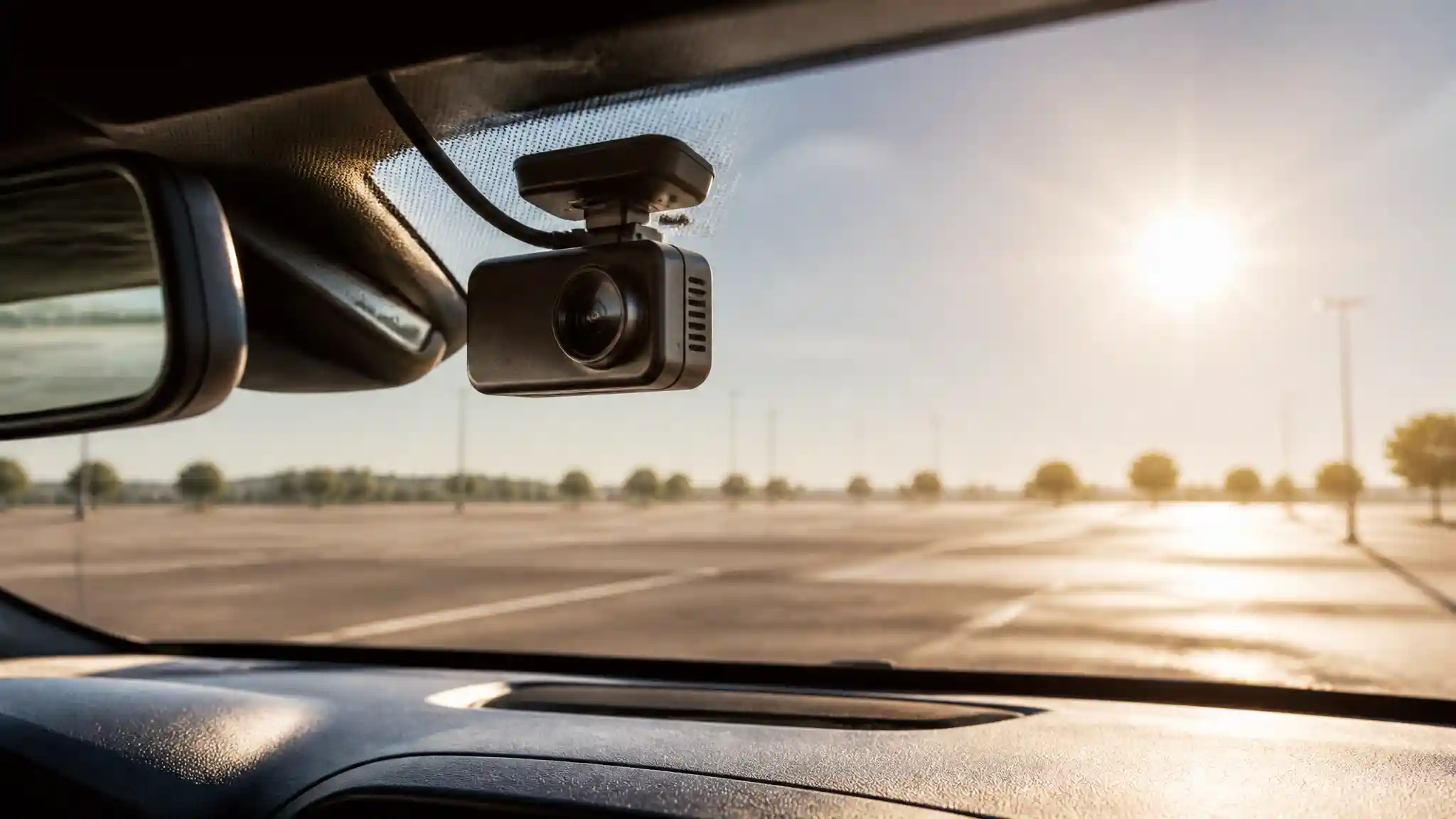

Best Dash Cams for Texas Heat: Built to Survive Extreme Cabin Temperatures
When summer arrives in the Lone Star State, ambient temperatures frequently surpass triple digits. Inside a parked vehicle parked under direct sunlight, interior temperatures rapidly climb past 140°F (60°C), turning dashboards into literal ovens. Standard consumer electronics often succumb to thermal stress under these punishing conditions. Choosing the right automotive recording device requires paying close attention to thermal resilience, component quality, and hardware design. This guide examines how you can protect your vehicle with hardware engineered specifically for extreme climates.
The Real Thermal Threat: Why Standard Dash Cams Fail in Texas
Standard dashboard cameras rely on traditional lithium-ion batteries to save footage when power cuts out. Under persistent heat exposure, internal chemical batteries degrade rapidly. High ambient heat causes lithium batteries to swell, leak electrolyte fluid, and in severe cases, burst or short-circuit. Even if a battery avoids physical expansion, elevated operating temperatures cause processors to throttle performance, freeze video encoding, or trigger sudden shut-offs precisely when you need evidence.
Extreme heat creates multiple operational issues for vehicle electronics:


- Battery Swelling and Rupture: High thermal loads destabilize lithium-ion chemistries, leading to permanent hardware failure or detached internal connectors.
- Thermal Throttling and Recording Interruptions: Chipsets enter thermal protection modes, which drop frame rates, corrupt write cycles, or abruptly restart the unit.
- Adhesive and Mount Degradation: Cheap suction cups and substandard tapes soften in intense sunshine, causing the camera to fall off the windshield.
- Optical Defocusing: Low-grade plastic lens housings expand when hot, causing optical elements to shift slightly and turning crisp video footage blurry.
Supercapacitors: The Essential Heat-Resistant Solution
To survive a brutal Texas summer, a dash cam must use a supercapacitor rather than an internal lithium battery. Supercapacitors store electrical energy electrostatically rather than chemically. This design fundamentally changes how the hardware behaves under severe thermal fluctuations.
Supercapacitors tolerate much wider operating temperature windows, typically rated from -4°F to 158°F (-20°C to 70°C), with storage limits reaching even higher. While a supercapacitor holds only enough energy to safely finalize the current video file after you turn off the ignition, it eliminates the primary fire and degradation hazard inside your vehicle. It charges rapidly, endures tens of thousands of power cycles, and delivers uninterrupted power delivery throughout years of intense sun exposure.
Glass Lenses and Heat Dissipation Design
Engineers build superior heat-resistant cameras with all-glass optical arrays and ventilated alloy chassis. Low-cost dash cams use plastic lens elements that soften and expand under high heat, degrading clarity and causing focal drift. Premium units incorporate multi-layer glass lenses set in reinforced aluminum mounts, preserving sharp license-plate legibility regardless of ambient cabin temperatures.
External casing design also dictates real-world longevity. Modern heat-tolerant dash cams use matte-black casing with passive cooling vents, metal heat sinks, and thermal dissipation channels that draw heat away from the main image sensor and processing core. Stealthy, wedge-shaped designs stick close to the windshield header, shielding the primary body behind the windshield tint strip and reducing direct sun absorption.
Crucial Features for Surviving High-Temperature Parking Modes
Drivers in Texas frequently rely on parking surveillance to monitor their vehicles outside workplaces, malls, and open lots. Running a dash cam continuously while parked in direct sun demands specialized hardware settings and installation methods:
- Low-Bitrate and Time-Lapse Modes: Recording at standard 4K 60fps generates significant internal processing heat. Switching to time-lapse or energy-saving parking mode lowers system load and prevents premature thermal shutdowns.
- Hardwire Kits with Voltage Cutoff: A high-quality hardwire kit connects directly to your fuse box, providing consistent power without stressing vehicle batteries while monitoring voltage levels to prevent deep discharge.
- Overheat Protection Sensors: Smart cameras feature built-in thermistors that automatically switch to low-power standby if internal temperatures approach dangerous limits, preserving hardware integrity without corrupting stored files.
- High-Endurance MicroSD Cards: Standard memory cards fail quickly in extreme heat. You should always pair heat-resistant dash cams with industrial-grade, MLC or high-endurance pSLC microSD cards engineered for extreme thermal cycles.
Top Recommended Product: VIOFO A229 Pro 2-Channel
If you need a proven camera that withstands extreme Texas heat while delivering pristine video clarity, the VIOFO A229 Pro stands out as an exceptional choice available on Amazon.com.
The VIOFO A229 Pro replaces vulnerable lithium batteries with high-capacity supercapacitors, ensuring stable operation up to 149°F (65°C) and storage tolerance up to 158°F (70°C). It integrates Sony STARVIS 2 sensors for both front (4K HDR) and rear (2K HDR) cameras, supported by an all-glass 7-element lens system that eliminates focal blur caused by heat expansion. The body incorporates extensive ventilation channels, and its streamlined wedge shape mounts discreetly against the glass to minimize direct solar exposure.